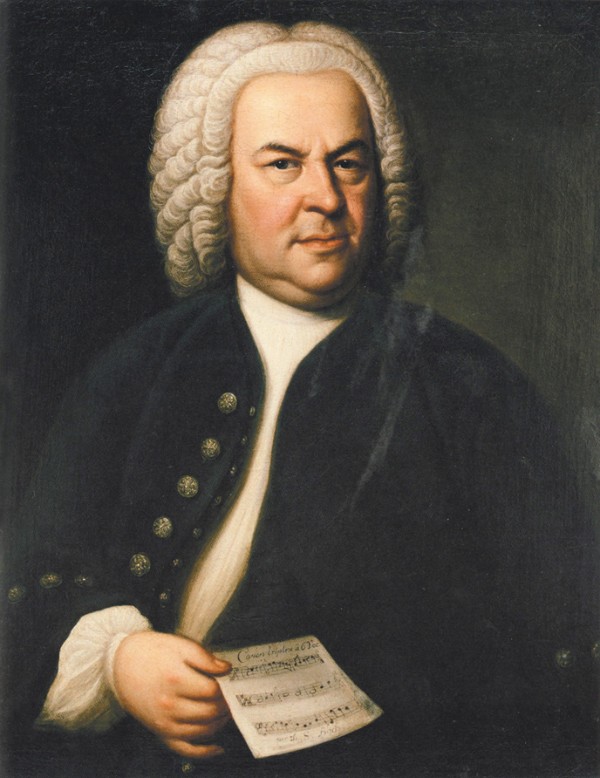
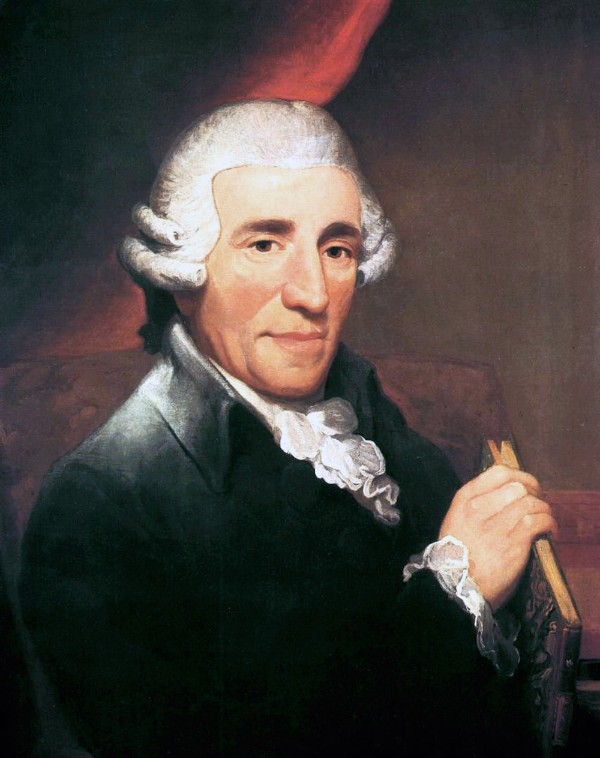
Happy Birthday to Johann Sebastian Bach, again! As we discovered last time, Bach’s birthday falls on either 21 March according to the Julian calendar, or 31 March if you prefer the Gregorian calendar.
Bach probably celebrated his birthday on 21 March, since that date was also recorded in his baptismal record. Also, the Gregorian calendar had only recently been introduced to Europe, but not yet to his birthplace in Eisenach. 21 March is also preferred by traditionalists and scholars.

Statue of J.S. Bach
When it comes to celebrating his birthday on 31 March, this particular date is preferred by modern astronomers and Wikipedia. It’s a bit of a dilemma. Either Bach was fashionably late to his own party, or he time-travelled ten days into the future.
Johann Sebastian Bach: 3-Part Inventions (Sinfonias), No. 1 in C Major, BWV 787
Double Delight
To music lovers, this is just wonderful, as we get to celebrate his birthday twice. For 21 March, we celebrated with his 15 Two-Part Inventions, so we can now engage with the more intricate 15 Sinfonias. How delightful, as we now turn his “old” and “new” birth dates into a pedagogical and poetic progression.
As we saw last time, the 15 Two-Part Inventions and the 15 Three-Part Sinfonias were written for his son Wilhelm Friedemann Bach. The Inventions probably originated during Bach’s time in Köthen, while the Sinfonias were probably not finished until the beginning of his Leipzig tenure.
In the 15 Sinfonias, all in the same keys as the Two-Part Inventions, Bach acquaints pianists of all ages with the art of playing three equal parts with just two hands. It’s not surprising that these pieces are considered indispensable to every pianist.
Johann Sebastian Bach: 3-Part Inventions (Sinfonias), BWV 787–801: Sinfonia No. 2 in C Minor, BWV 788 (Glenn Gould, piano)
From Two Voices to Three
As Bach told us in his preface, the 15 Sinfonias build directly on the 15 Two-Part Inventions by expanding to three strictly independent, obbligato voices that must sing clearly and expressively together.
Playing them is one thing, but they also provide an understanding of motivic development and composition. Every Sinfonia is a miniature contrapuntal masterpiece with an unbelievable variety of textures and characters.
Bach employs imitation, inversion, stretto, double and triple counterpoint, sequence, fragmentation, augmentation/diminution, and canonic devices, often within a fugal or ricercare-like framework.
Johann Sebastian Bach: 3-Part Inventions (Sinfonias), BWV 787-801 – Sinfonia No. 3 in D Major, BWV 789 (András Schiff, clavichord)
Brisk and Virtuosic
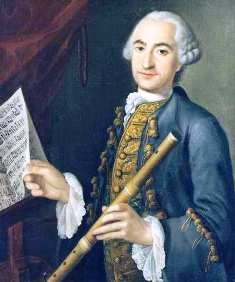
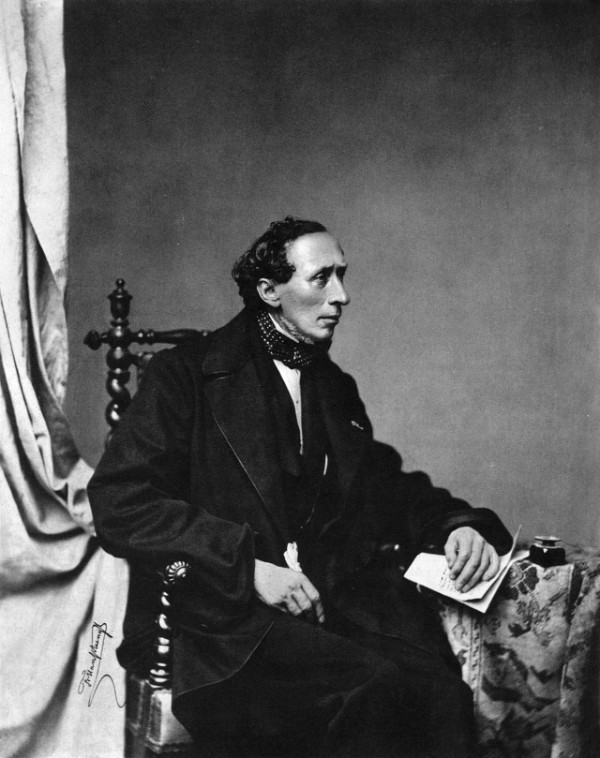
Johann Joachim Quantz
If Bach was very precise in terms of counterpoint, we really don’t know what kind of tempo he had in mind. There were no metronomes, and the standard way of indicating performance directions, such as the ones Johann Joachim Quantz gave in his 1752 treatise on playing the flute, had not yet been started.
I suppose the question of tempo had not really been examined in Bach’s time, but it was chosen in reaction to the character of a piece. There are only a few instances when people around Bach make comments about the tempo in J.S. Bach’s music.
Carl Philipp Emanuel Bach claimed that his father played his own compositions briskly. Being a keyboard virtuoso, it stands to reason that Bach would have played toccatas and the like at a rather quick pace, all likely related to the rate of harmonic change of each composition.
Johann Sebastian Bach: 3-Part Inventions (Sinfonias), BWV 787-801: Sinfonia No. 4 in D Minor, BWV 790 (Maurizio Zaccaria, piano)
Feeling Over Mechanics
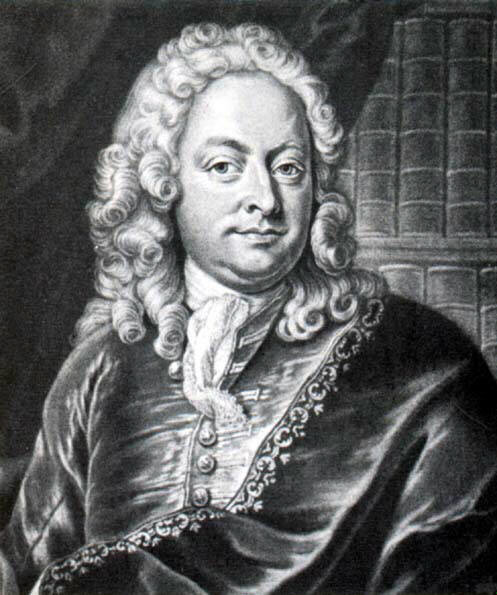
Johann Mattheson
The only plausible guide to the tempo of Bach’s music comes from the composer, critic, and theorist Johann Mattheson. He writes that tempo is related to feeling. He writes, “A performer should have an intelligent understanding of the music.”
“He should then aim at projecting its Affekt, that is, its mood or emotional message. Once an intelligent listener has heard a composition, he will know immediately whether or not it was played at the proper tempo.”
Mattheson does permit ritardando in the final part of a composition, but J.S. Bach’s opinion in this matter is unknown.
Johann Sebastian Bach: 3-Part Inventions (Sinfonias), BWV 787–801 – Sinfonia No. 5 in E-Flat Major, BWV 791 (Cordelia Williams, piano)
Beyond Imitation
If tempo was subject to interpretation, so was finding the proper dynamic range. The Sinfonias were probably written for the clavichord, an instrument known for its singing tone when played correctly.
The clavichord was capable of very delicate shading, much more so than the harpsichord. In his preface, Bach writes that the Sinfonias are to be played “cantabile,” something that is much easier achieved on the clavichord.
In terms of dynamics, it’s probably worth remembering that the interest of the music lies primarily in the interplay of different voices. On the modern piano, it’s probably best to avoid dynamic extremes. At the same time, the Sinfonias are bold pieces and don’t sound very well if performers timidly attempt to imitate the sound of the clavichord.
Johann Sebastian Bach: 3-Part Inventions (Sinfonias), BWV 787–801 – Sinfonia No. 6 in E Major, BWV 792 (Peter Watchorn, harpsichord)
Freer Than Fugues
Structurally, they follow a loose binary or da capo structure, but the emphasis is on the logical elaboration of one or two short motifs. They are fugue-like, but much freer in terms of key relationships and exact imitation.
Maybe, and probably most importantly, these Sinfonias are not mere finger or composition exercises. They are a microcosm of Bach’s expressive world, with the emotional range spanning from pastoral intensity to chromatic laments and playful dances.
Johann Sebastian Bach: 3-Part Inventions (Sinfonias), BWV 787-801 – Sinfonia No. 7 in E Minor, BWV 793 (Paulina Zamora, piano)
Deceptive Simplicity
Sinfonia No. 1 is often the first composition studied because it is in the key of C Major. Actually, it is one of the most difficult of the Sinfonias, because of the difficult finger positions and voice crossings. It is, however, a radiant and optimistic opener full of joy and relentless forward drive.
The Sinfonia No. 2 in C minor is one of the most emotionally concentrated pieces of the set. Introspective and intensely chromatic, the music is dominated by a descending sigh motif. The three voices weave this motif in close imitation and generate dark harmonic tension and expressive dissonance. There are, however, faster scale passages that attempt to escape the tragic depth.
Johann Sebastian Bach: 3-Part Inventions (Sinfonias), BWV 787-801 – Sinfonia No. 8 in F Major, BWV 794 (Hikari Fukuda, piano)
Lightness And Fire
In No. 3 in D major, we find an elegant dance flowing with pastoral lightness. The bouncy and leaping motif is treated in imitation and in inversion. Of course there is plenty of counterpoint, but it all sounds cheerful without being frivolous.
An angular and energetic motif, later developed through sequence and fragmentation, initiates Sinfonia No. 4 in D minor. It is one of the most restless and passionate pieces in the set. Bold leaps and driving rhythms create tension and urgency. It certainly conveys bold emotional intensity that we might almost call operatic in its expressiveness.
Johann Sebastian Bach: 3-Part Inventions (Sinfonias), No. 9 in F minor, BWV 795
Lyrical Ornament
The lyrical and song-like No. 5 in E-flat major is full of ornamentation. Apparently, Bach did not include them originally, but later added them to the second edition in 1723. Ornamentation in Bach’s music is essential as it adds expressive quality. In the event, Bach presents an imitation of a Baroque Italian Trio Sonata for three instruments, in which the bass acts as the harmonic support for two melody lines.
Harmonious and balanced counterpoint emerges in the Sinfonia No. 6 in E Major. It is in the style of a lilting dance cast in 9/8 meter. The flowing motif ascends stepwise for two beats before a small turn starts the sequential restatement. Singing lines glowing in a bright key make for a wonderfully radiant and luminous piece.
Johann Sebastian Bach: 3-Part Inventions (Sinfonias), BWV 787–801 – Sinfonia No. 10 in G Major, BWV 796 (Peter Serkin, piano)
Lament To Dance
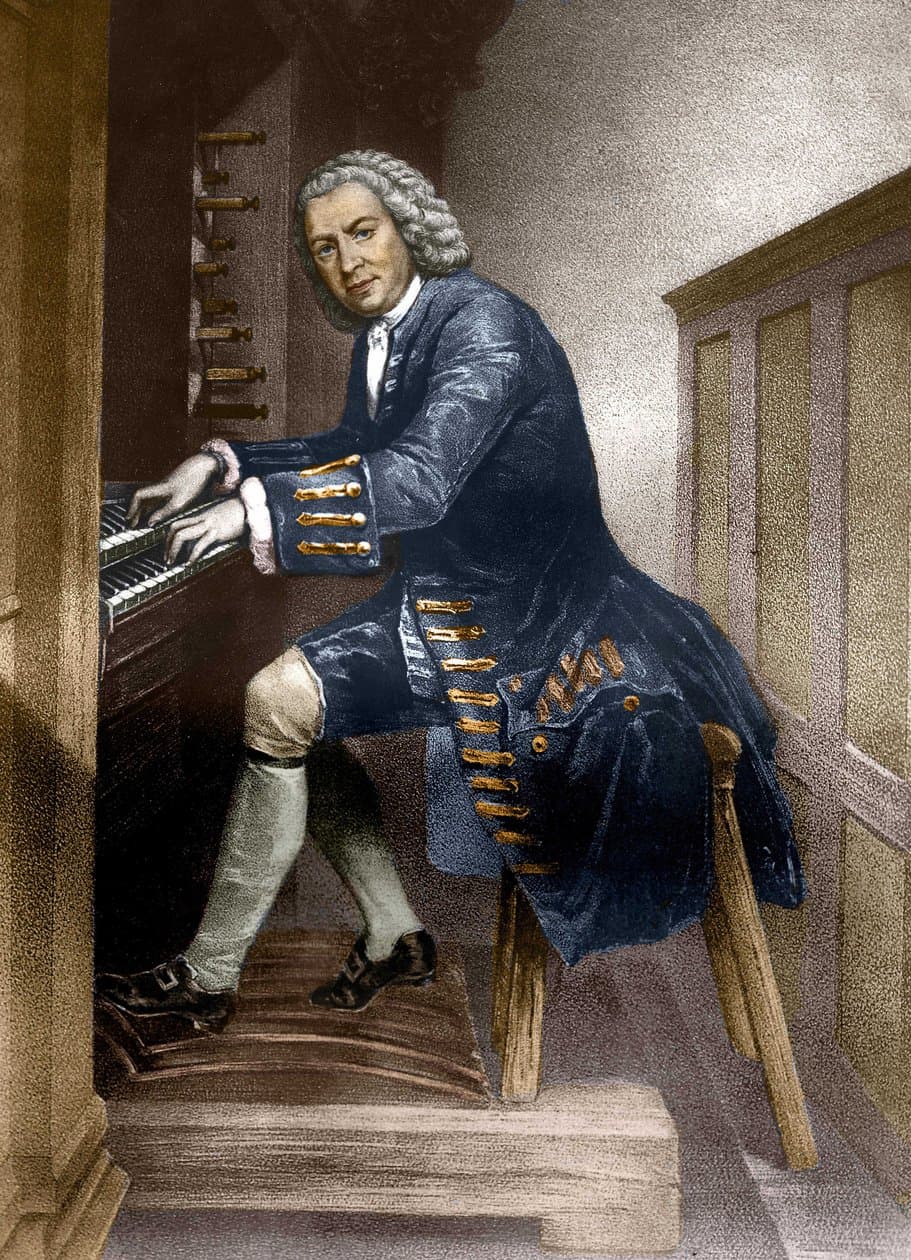
Johann Sebastian Bach playing the organ, c. 1881
Mattheson would probably assign the “affect” of quiet sorrow and emotional depth to Sinfonia No. 7 in E minor. Deeply expressive, Bach composed a Sinfonia of extraordinary melodic beauty, as if the voices intertwine in an introspective dialogue.
If you’re looking for a lively and pastoral feel infused with a flowing dance rhythm, the Sinfonia No. 8 in F Major beautifully fits the bill. The bouncing motive is energetic and celebratory, while the texture remains light and transparent.
Johann Sebastian Bach: 3-Part Inventions (Sinfonias), BWV 787–801 – Sinfonia No. 11 in G Minor, BWV 797 (Vladimir Feltsman, piano)
Chromatic Sorrow
Sinfonia No. 9 in F minor is built on a descending chromatic bass. This is generally called the “lament” bass, a symbol of grief. You might remember that Bach also used it in the “Crucifixus” in the B minor Mass. In this Sinfonia, it combines with repeated sigh figures and yearning suspensions to produce the most complex and dramatic piece of the set. It is no surprise that Arnold Schoenberg called J. S. Bach the first twelve-tone composer.
No. 10 in G major is a spirited and energetic gigue. The lively rhythms and running passages chase each other throughout. Full of forward momentum and optimism, it is one of the most cheerful and bright pieces in the set.
Johann Sebastian Bach: 3-Part Inventions (Sinfonias) Nos. 1-15, BWV 787-801 – Sinfonia No. 12 in A Major, BWV 798
From Lute to Clavichord
The G-minor Sinfonia is a stylised version of a “Siciliano,” as Bach adapted music written for the lute to the clavichord. It was an aristocratic dance of the Baroque with broken chords and the trills in the bass in imitation of lute technique. Many performers ascribe a serious character to this piece, but I think that it is just wonderfully graceful.
We could also call Sinfonia No. 12 in A major graceful and refined, as the dance-inflected lines unfold with elegance and subtle charm. A lyrical and flowing motif, accompanied by plucking bass notes, exudes gentle warmth and almost aristocratic refinement.
Johann Sebastian Bach: 3-Part Inventions (Sinfonias), BWV 787–801 – Sinfonia No. 13 in A Minor, BWV 799 (András Schiff, piano)
Harpsichord Brilliance
In Sinfonia No. 13 in A minor, we could probably make the point that it uses the idiomatic language of the harpsichord rather than the clavichord. The various stops of the harpsichord could produce changes in tone colour and sound quality in the patterns we find in this piece. One more unusual aspect is the fact that the opening motive of six stepwise tones followed by a scale actually leads to a completely new second theme in the lowest voice.
Essentially an “arioso,” Sinfonia No. 14 in B-flat major is warmly lyrical. Reflective and contemplative, it has a calm and serene quality. Nevertheless, this Sinfonia is harmonically rich, and the voice crossings from one hand to the other do present great challenges for many intermediate pianists.
Johann Sebastian Bach: 3-Part Inventions (Sinfonias), BWV 787-801 – Sinfonia No. 14 in B-Flat Major, BWV 800 (Angela Hewitt, piano)
Beyond Stepping Stones
The set finishes with a toccata-like finale, with intricate counterpoint creating restless energy and agitation. It opens in the style of a dance but is soon interrupted by a flourish of downward arpeggiation. Entries overlap, and harmonic surprises are plentiful. It feels like a fitting summation that is lively yet profound, and serious yet exhilarating.
The 15 Sinfonias by Johann Sebastian Bach are much more than just pedagogical stepping stones. They are a microcosm of Bach’s entire musical universe. These compact pieces not only show the logic of his musical invention but also the profound emotional depth he could express as a composer.
Above all, these masterpieces remain timeless. For pianist András Schiff, who begins his daily practice sessions with Bach, the Sinfonias are a source of daily emotional, intellectual, and physical satisfaction. In a word, Bach’s pedagogical genius simultaneously offers timeless expressive riches.
For more of the best in classical music, sign up for our E-Newsletter
Johann Sebastian Bach: 3-Part Inventions (Sinfonias), BWV 787-801 – Sinfonia No. 15 in B Minor, BWV 801 (Christoph Eschenbach, piano)