
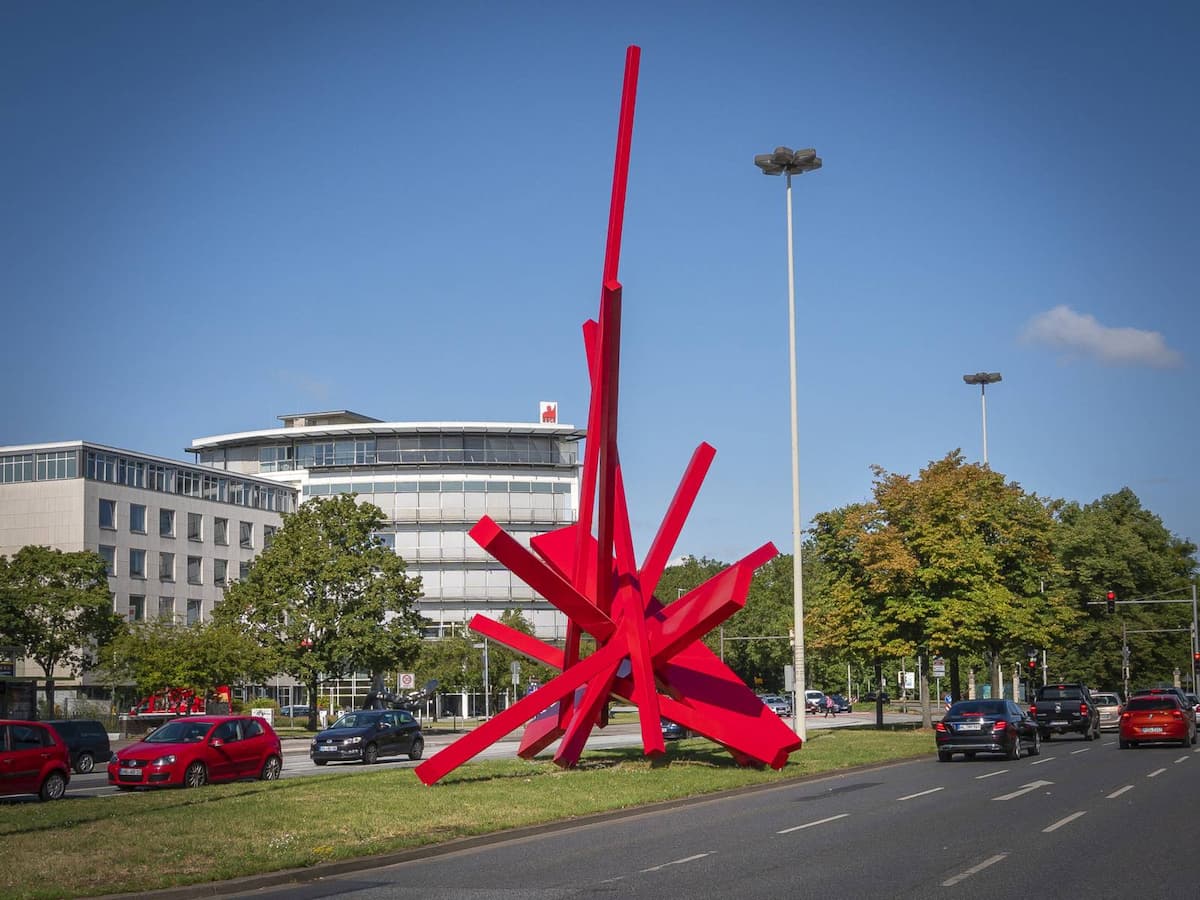
The internationally renowned sculptor John Henry has produced a substantial number of monumental and large-scaled works across the United States, Europe, and Asia. His sculptures resemble huge welded steel drawings, “arranging linear and rectilinear elements that appear to defy gravity
In tune
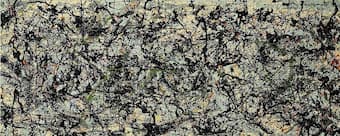
In 1947, with Lucifer, American painter Jackson Pollock (1912-1956) put down his brush, laid his canvas on the floor, and started to apply his paint by drips and spatters. In this canvas, he also added small bits of gravel to
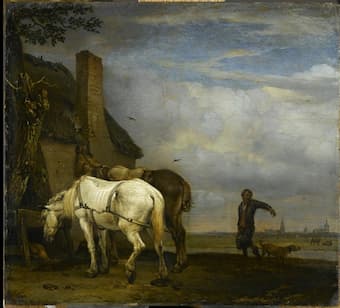
We think of Marcel Proust (1871-1922) mainly as the novelist, author of À la recherche du temps perdu (In Search of Lost Time / Remembrance of Things Past) but in his youth, he was a poet as well. In his
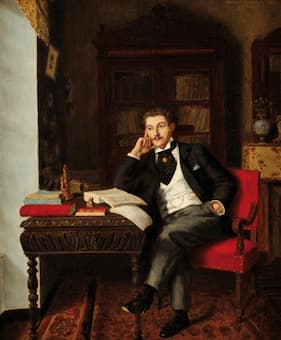
Marcel Proust’s oeuvre is rife with musical references. He openly refers to composers, librettists, performers and musical compositions. One anecdote reports that Proust woke up Gaston Poulet, the leader of the Poulet Quartet, in the middle of the night. The
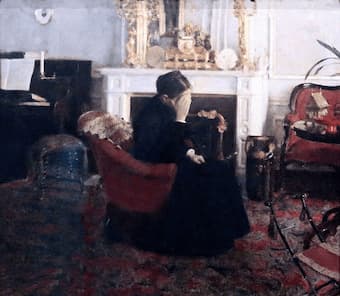
The Belgian Symbolist painter and sculptor Fernand Khnopff (1858-1921) is best known for his paintings that blend precise realism with a dreamlike atmosphere. His scenes are quite realistic, but then he mixes in motive and ideas from history and the
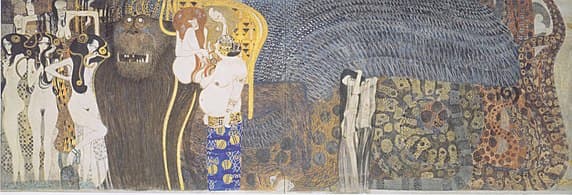
There never was, and never will be, a defining boundary between music and the other arts. The arts are constantly engaged in a process of circular cross-fertilization that continuously shape and refine artistic practices, visual expressions and sonic experiences. We
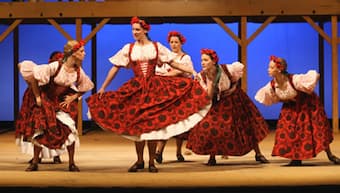
How Smetana Established the “Czechness” in His Opera The Bartered Bride is a comic opera with three acts completed in 1866. It was written by Bedřich Smetana (1824-1884) with libretto by Karel Sabina (1813-1877).1 The first performance was held at
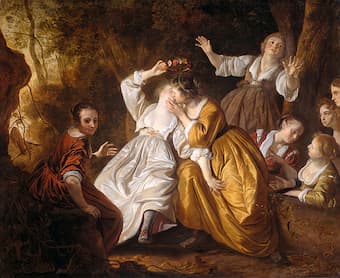
Giovanni Guarini started work on his pastoral tragicomedy “Il pastor fido” (The Faithful Shepherd) around 1580. It took him a good four years before he was able to finish the five-act, 39-scene pastoral drama. Guarini circulated the play among literary