
A classical musician’s memoir may not promise rock-and-roll excess or chart-topping drama of a pop musician, but it offers something equally compelling: a deep, reflective window into a life shaped by discipline, devotion, and the craft of artistry forged through patience rather than spectacle.
As a fellow musician, perhaps one of the most interesting aspects of a classical musician’s memoir is insight into the creative and interpretive process and the development of a distinct musical personality. Readers may learn how a piece is lived with – sometimes for an entire lifetime – and how returning to that piece over the course of many years brings changing approaches to practice and interpretation, gained through experience and maturity.
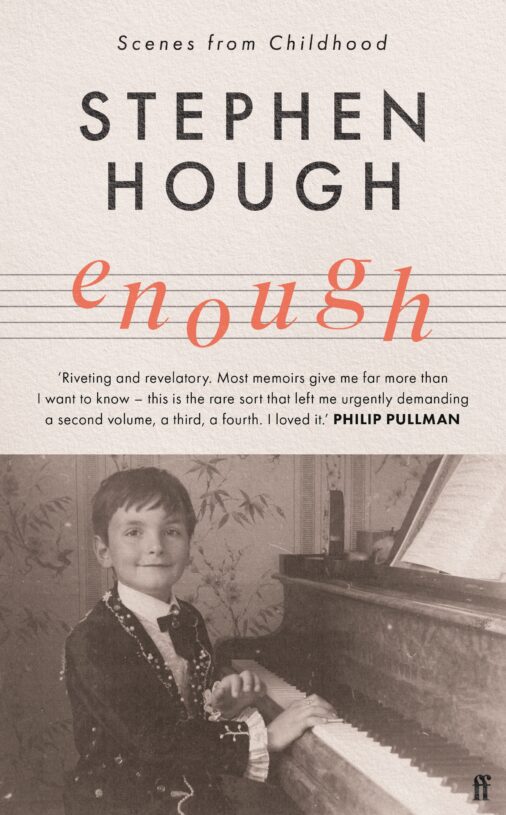
Enough: Scenes from Childhood by Stephen Hough
Accounts of the learning process, the psychological cost of early specialisation and competition, often from a very young age, and encounters with teachers show how the mindset of the professional musician is formed in the practice room, and later on stage.
Musician memoirs also provide valuable cultural and historical perspectives, offering fascinating glimpses of conservatoires, orchestras, and musical traditions across different countries and generations, as well as reflections on changing attitudes towards classical music, elitism in the arts, funding, and education. In some cases, memoirs capture the experience of living through war, exile, or political upheaval, showing how music becomes a source of refuge, resistance, or solace during troubled times.
Another important theme is the reality of the profession. Away from the stage and applause, musicians may experience financial uncertainty, intense competition for limited roles, and the fragility of a career dependent on physical health. Injuries, ageing, or a single poor audition or bad review can alter a path dramatically. Thus, a memoir may offer greater appreciation of the resilience required to sustain a life in classical music, especially outside the spotlight of major solo careers.
Many classical musicians’ memoirs are replete with quiet wisdom. Rather than offering overt advice, they reflect on discipline, humility, listening, cooperation (with colleagues and ensembles) and patience. They explore what it means to serve the music rather than oneself, to balance ego with ensemble, and to find fulfilment not only in acclaim but in lifelong dedication to craft.
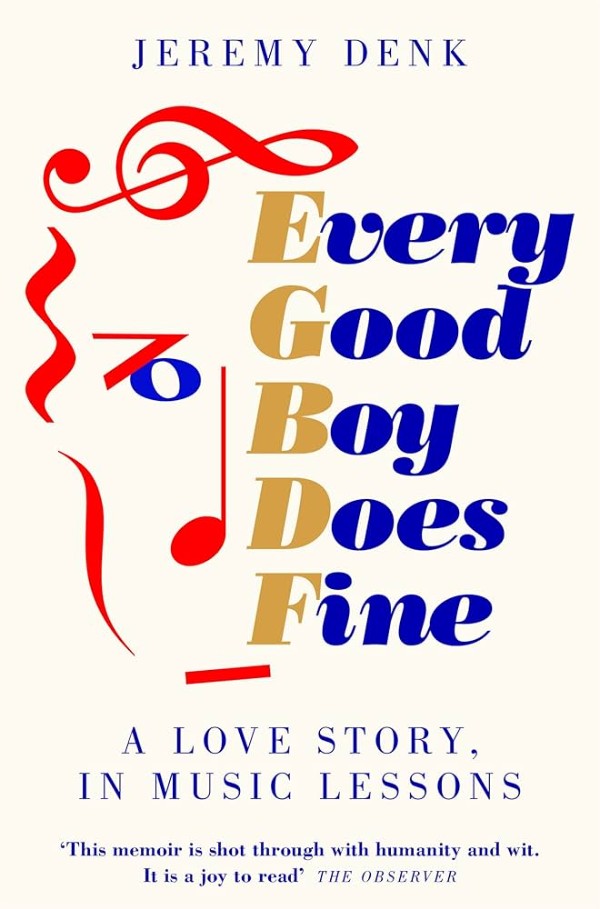
Every Good Boy Does Fine by Jeremy Denk
Two recent memoirs, by pianists Sir Stephen Hough and Jeremy Denk, offer all of the above, together with plenty of entertaining and engaging autobiographical detail and anecdotes – from uncompromising teachers to freezing cold venues and unruly instruments, those unique “aha!” moments when playing with colleagues to the minutes just before one walks on stage – these offer some of the best writing by contemporary musicians about their craft and art.
Other musicians’ memoirs to explore:
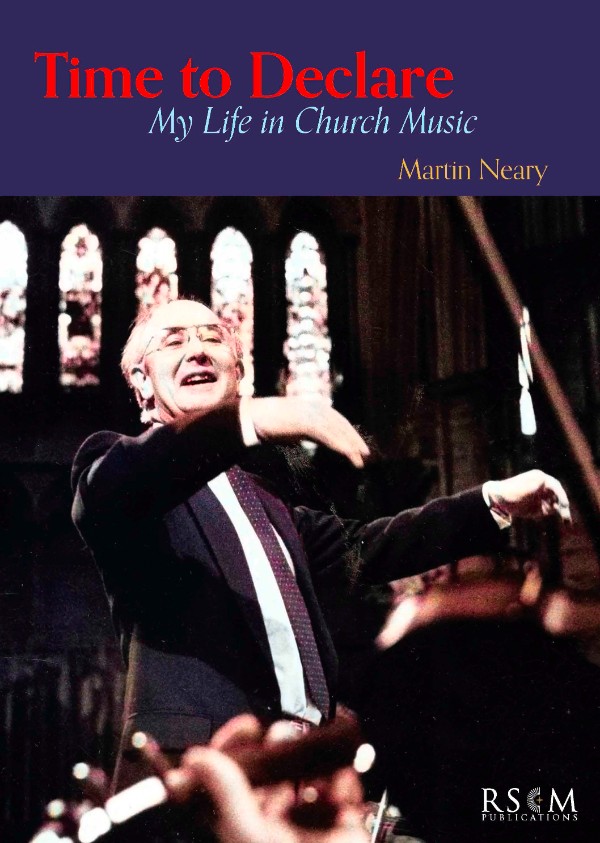
Time to Declare: My Life in Church Music by Martin Neary
Time to Declare: My Life in Church Music – memoir of Martin Neary, the man behind the music at Princess Diana’s funeral.
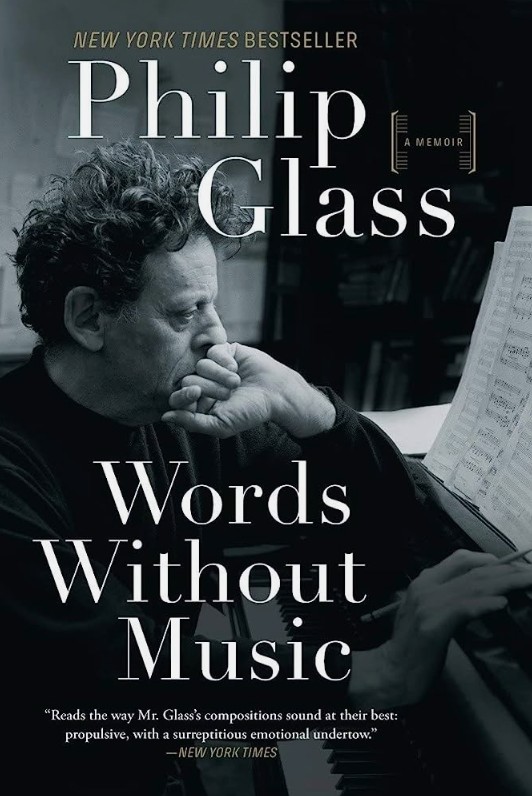
Words Without Music by Philip Glass
Words Without Music – Philip Glass’s memoir of his early, unconventional career and the development of his distinctive musical language.
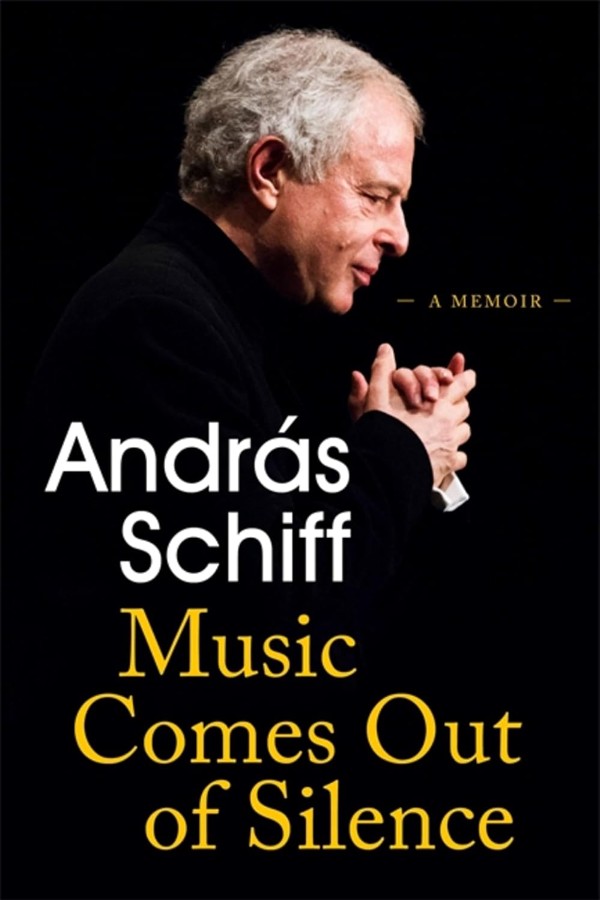
Music Comes out of Silence by András Schiff
Music Comes out of Silence – Sir Andras Schiff’s memoir of childhood in Hungary through to the present day as an internationally renowned pianist.
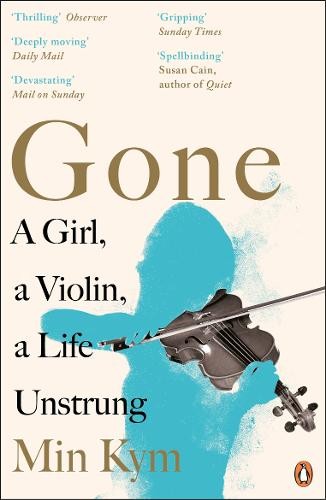
Gone: A Girl, a Violin, a Life Unstrung by Min Kym
Gone: A Girl, a Violin, a Life Unstrung – Violinist Min Kym’s gripping and often harrowing account of the theft of her prized Stradivarius violin, the subsequent collapse of her world as a musician and individual, and her journey to recovery and a return to music.
For more of the best in classical music, sign up for our E-Newsletter





These would make for great audiobooks.