

In the realm of classical music, collaboration can ignite a spark that surpasses the brilliance of individual talents, creating something transcendent and wholly unique. When artists of profound skill and distinct voices unite, their interplay becomes a conversation that breathes new life into timeless works.
Stylistically speaking, Martha Argerich and Maria João Pires couldn’t be more distinct. One a torrent of fiery brilliance and passion, the other a poetic haven of lyrical serenity.
Yet, when they came together for the ARTE Concert at Geneva’s Victoria Hall, playing Mozart with the Orchestre de la Suisse Romande under Daniel Harding, their respective talents intertwined to elevate the music from elegant diversion to a profound human statement.
Martha Argerich & Maria João Pires Play Mozart
Available until 09/04/2026
Titans of the Keys
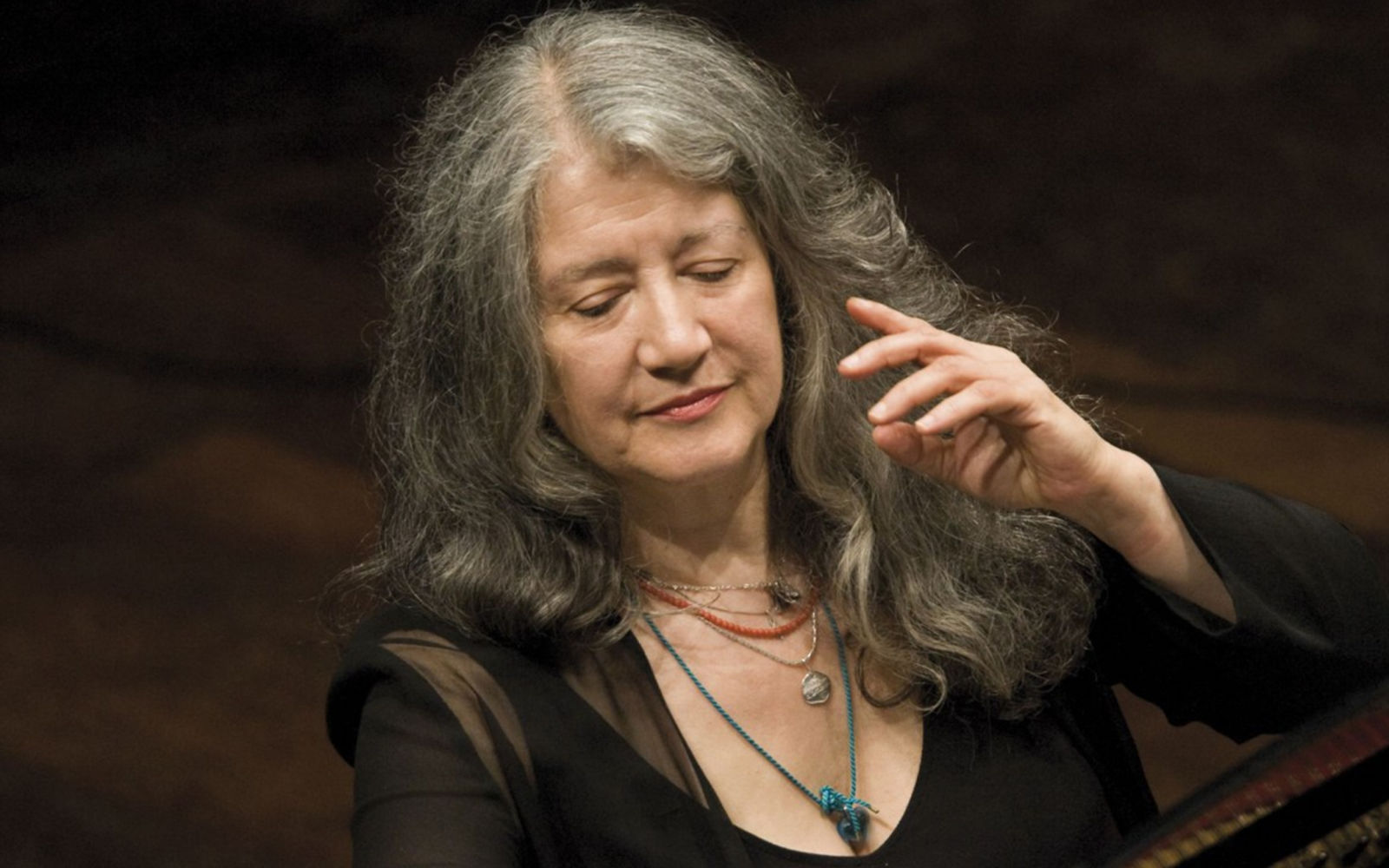
Martha Argerich
Martha Argerich and Maria João Pires are two titans of the piano world. Their extraordinary artistry has profoundly shaped the landscape of classical music through their uncompromising dedication to their craft. Yet, their approaches and personas offer fascinating contrasts and some parallels.
Argerich, born in 1941 in Buenos Aires, is a force of nature, renowned for her electrifying virtuosity and almost supernatural command of the keyboard. Her performances can pulse with raw intensity and spontaneity, with critics and audiences alike marvelling at her fearless risk-taking. Technical brilliance meets emotional abandon, creating moments of breathtaking unpredictability.
However, intensity comes with a complex persona. Argerich is famously private, often shying away from the spotlight and cancelling performances, her passion for music seemingly at odds with the demands of public life. Her recordings remain benchmarks, capturing a pianist who plays as if possessed by the music itself.
Fiery Tempest and Gentle Stream
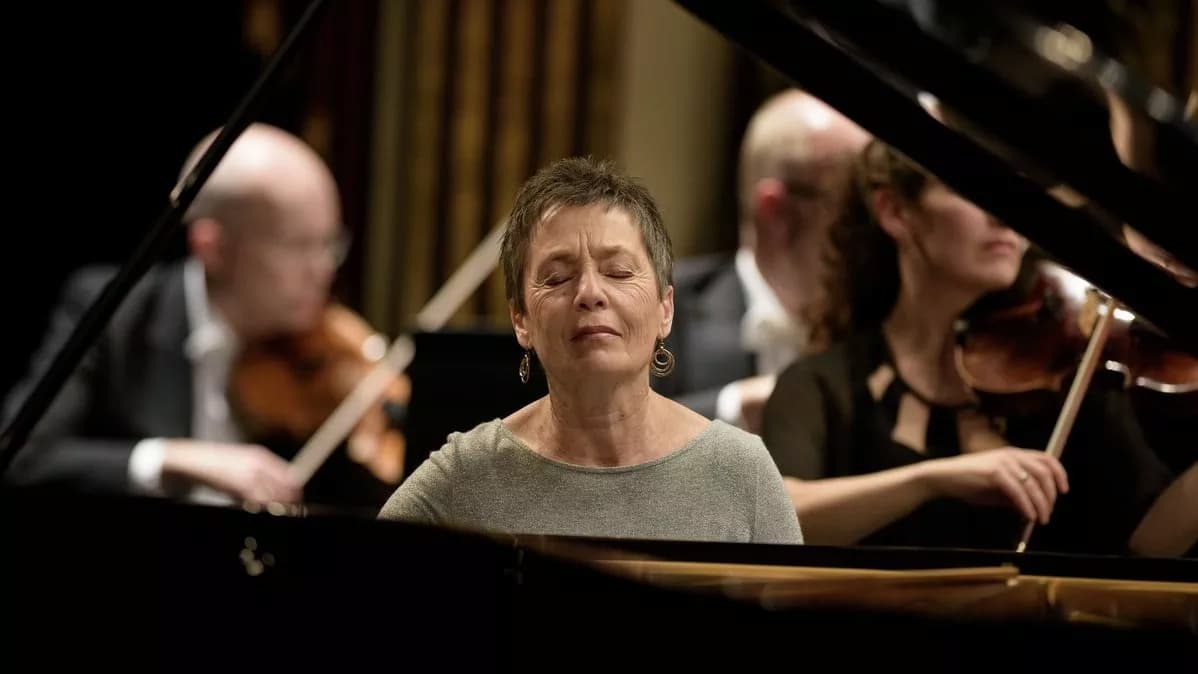
Maria João Pires © classicosdosclassicos.mus.br
In contrast, Maria João Pires, born in 1944 in Lisbon, embodies a quieter, more introspective genius. Her playing is a study in poetic refinement, with a crystalline touch and an almost spiritual connection to the music. Her playing conveys delicate nuances, and her interpretations are marked by a profound sense of intimacy.
In her music making, Pires seemingly invites listeners into a private conversation. Where Argerich’s performances might feel like a tempest, Pires’ are a gentle stream, subtly undulating, yet deeply moving.
Both pianists share a commitment to authenticity, shunning artifice for honest expression, and both have a deep affinity for chamber music, thriving in collaborative settings where their sensitivity shines. However, Pires’ reserved demeanour and preference for a low-profile career contrast with Argerich’s mercurial presence, yet their mutual dedication to music as a living, breathing art form does provide common ground.
The Play by Play
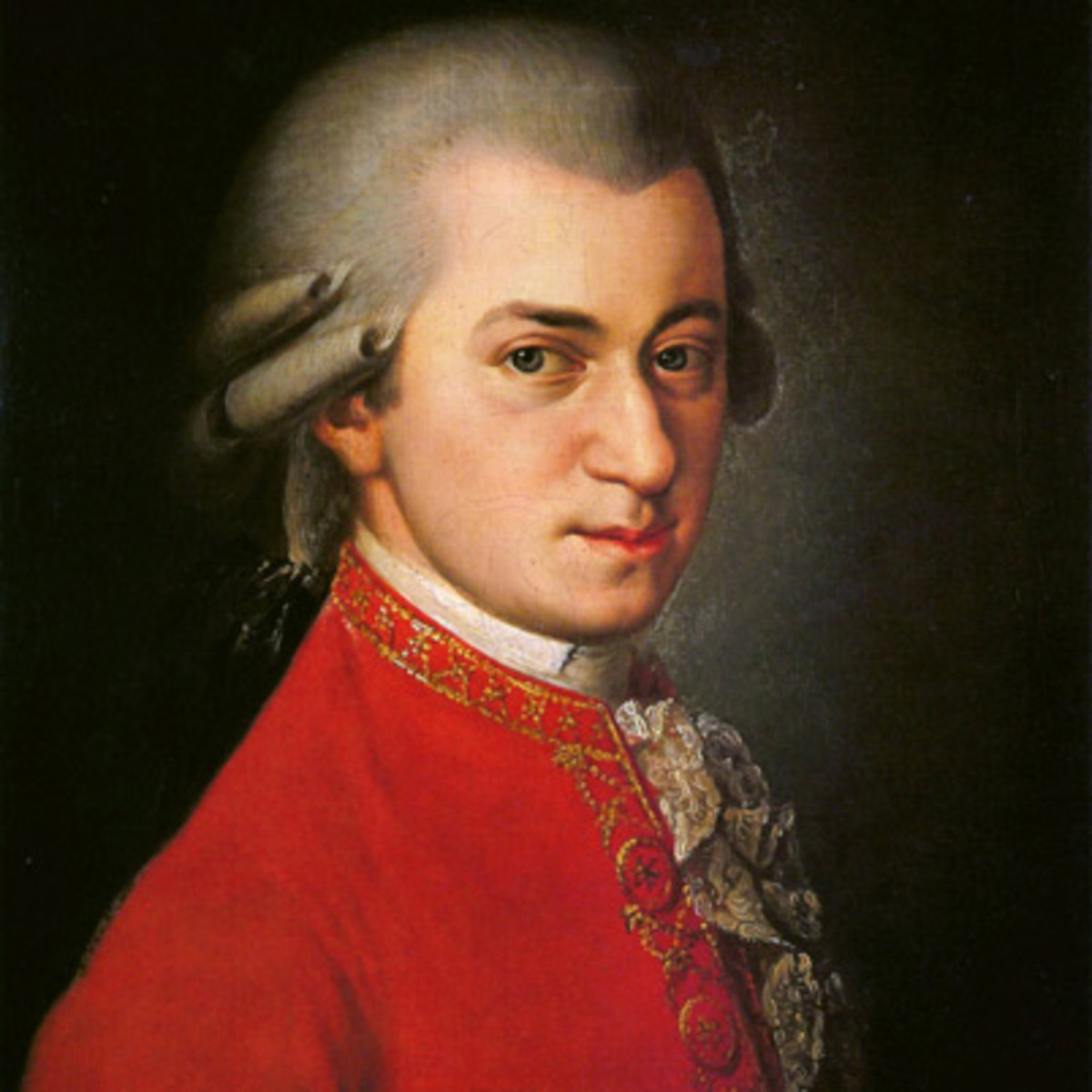
Wolfgang Amadeus Mozart
Featuring Wolfgang Amadeus Mozart’s Concerto for Two Pianos and Orchestra in E-flat Major, K. 365, Argerich and Pires went on a shared journey rather than a mere collaboration. In the opening “Allegro,” Argerich’s commanding entry sets a brisk tempo, her octaves and arpeggios surging with visceral energy. Pires responds with delicate phrasing, her second-theme melodies singing with bell-like clarity.
The movement’s cadenza, likely Mozart’s own, becomes a playground for their personalities, Argerich’s bold flourishes answered by Pires’ intricate filigree. A reviewer captured this dynamic, noting “their one-upmanship adds playful tension without actually sacrificing unity.”
Emotional Alchemy
However, it is in the “Andante” where their emotional alignment shines. Pires takes the lead in the opening melody, her touch light yet poignant, while Argerich’s bass lines provide a rich, resonant anchor. Their interplay feels improvisatory, echoing Mozart’s own performance practice, where flexibility was paramount.
The movement’s chromatic turns are handled with exquisite care, each pianist anticipating the other’s nuances, creating a canopy of sound that feels both intimate and expansive. The Rondeau finale is a tour de force. Argerich’s fiery runs and Pires’ precise articulations transform the variations into a kaleidoscope of colour.
Yet, this interpretation is not without risks. Argerich’s occasional tempo accelerations, particularly in the Rondeau, might challenge purists seeking metronomic fidelity. However, such flexibility aligns with Mozart’s own rubato, and Pires’ steady presence ensured cohesion, preventing exuberance from tipping into chaos.
Les Divas du Piano
The transition to the “Andante” from the Sonata for Piano Four Hands, K. 521, intensified this intimacy. The four-hand format demands physical proximity, and one can almost sense their shared breath as they navigate the movement’s contrapuntal lines. Pires’ subtle pedalling and Argerich’s dynamic shading created a serene yet vibrant dialogue, the central development section blooming into moments of hushed ecstasy.
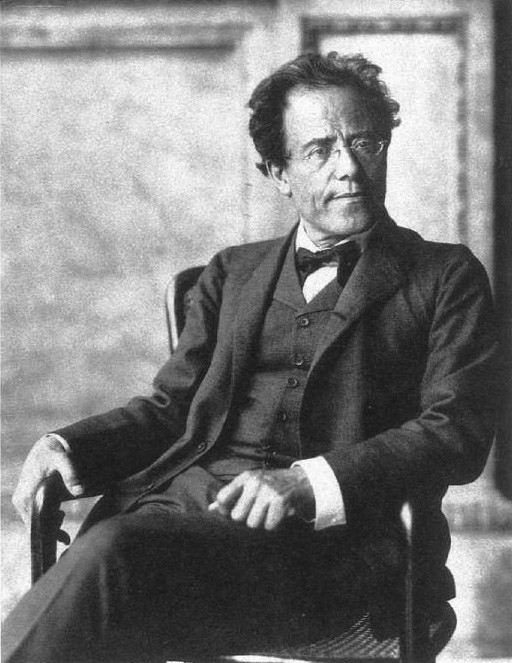
Gustav Mahler
This performance, followed by a rendition of Mahler’s 1st Symphony, transcended technical execution and embraced the domestic warmth of Mozart’s Vienna, where music was a shared act of communion. Critical reception did underscore the performance’s impact. Diapason Magazine dubbed Argerich and Pires “les divas du piano,” praising their reunion as a masterful blend of virtuosity and sensitivity. Through their contrasting yet complementary voices, Argerich and Pires revealed the concerto’s symphonic scope and the sonata’s intimate heart.
Martha Argerich & Maria João Pires Play Mozart
For more of the best in classical music, sign up for our E-Newsletter





What comment? Simply beautiful playing by pianists and orchestra.