In 1997, Yefim Bronfman joined Esa-Pekka Salonen and the Los Angeles Philharmonic in a recording of the three Piano Concertos by Béla Bartók. That recording, released on Sony Classical, won the Grammy Award for Best Instrumental Soloist Performance.
The 1997 Grammy affirmed Bronfman’s reputation as one of the most versatile pianists of his generation, providing ample evidence of his remarkable ability to fuse precision, power, and sensitivity in his interpretation of complex modernist scores.
As we celebrate Yefim Bronfman’s birthday, born on 10 April 1958 in Tashkent, Uzbekistan, let’s revisit this reference recording that earned him a Grammy.
Yefim Bronfman plays Bartók: Piano Concerto No. 3 (excerpt)
A Cycle of Extreme Challenge
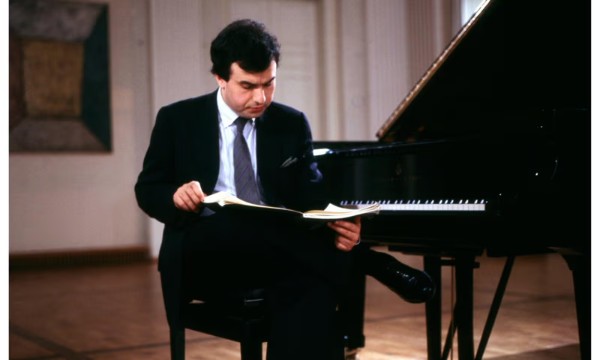
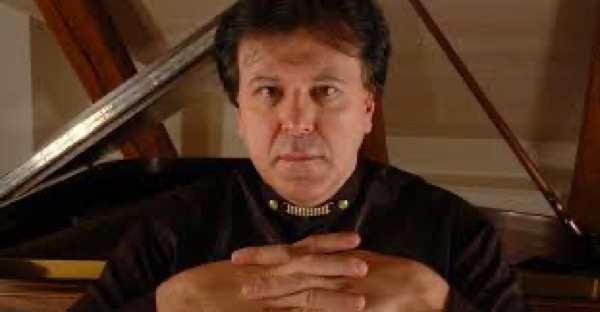
Yefim Bronfman in 1997
For many critics and listeners, the Bronfman 1997 recording is still regarded as one of the finest complete cycles available. For one thing, these concertos have a reputation for being brutally difficult, dissonant, and jarringly percussive.
As Frederick Corder wrote in July 1915, “If the reader were so rash as to purchase any of Bela Bartok’s compositions, he would find that they each and all consist of unmeaning bunches of notes… Some can be played better with the elbows, others with the flat of the hand. None require fingers to perform or ears to listen to.” (Corder, The Musical Quarterly, 1915)
The cycle of piano concertos is particularly challenging, as these works span most of Bartók’s creative styles. We find none of the big tunes and passionate climaxes of Rachmaninoff and Prokofiev, yet these works are full of wit and daring. Bartók was an exceptional pianist, and to master all three concertos has been likened to conquering Mount Everest.
Béla Bartók: Piano Concerto No. 1, BB 91 (Yefim Bronfman, piano; Los Angeles Philharmonic Orchestra; Esa-Pekka Salonen, cond.)
Evolving Style
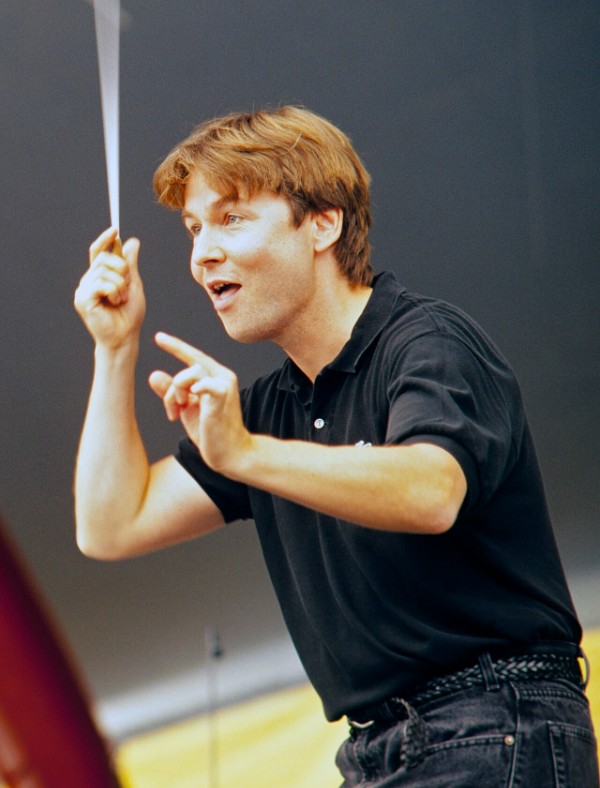
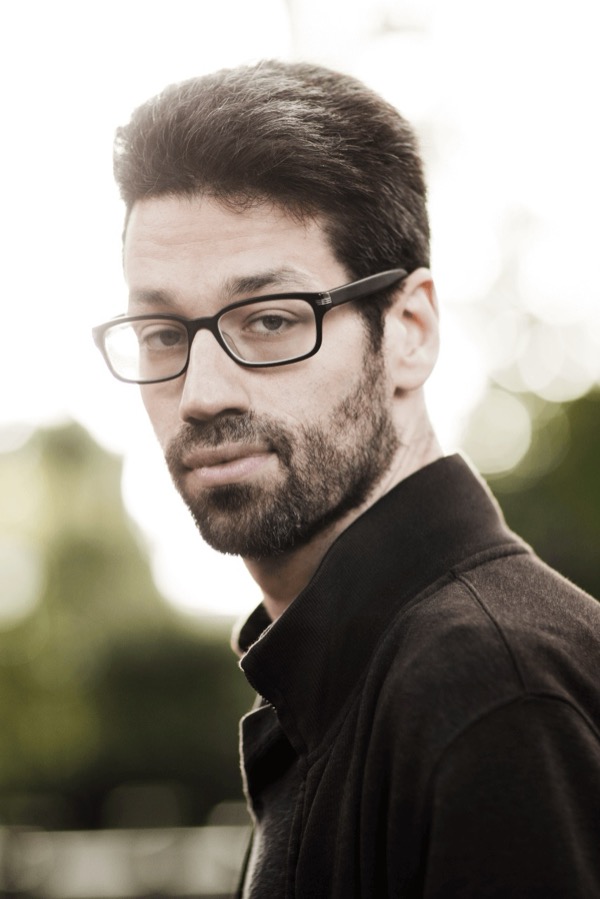
Esa-Pekka Salonen in 1997
Dissonant and seemingly mechanical in parts, the first Piano Concerto dates from 1926. As a composer-pianist, Bartók had come to the conclusion that he needed to write a repertoire for himself. The work radiates spiky and rhythmic energy, with the piano used as a percussive instrument. It is also worth remembering that this concerto is not a youthful composition, but a work of his maturity, composed when he was forty-five.
Bartók acknowledged that his first concerto had turned out very difficult for both the orchestra and the audience. As such, he aimed to write his second concerto with fewer difficulties and more pleasing thematic material. Premiered in 1933, it features the same percussive energy, but with more expansive and recognisable themes.
Béla Bartók did not live to see the premiere of his 3rd Piano Concerto. After completing the score, he was transferred to a West Side hospital in New York, where he died four days later. It was left to his student Tibor Serly to decipher the composer’s shorthand for the final measures, and to pianist György Sándor to give the premiere in 1946. It is a work brimming with joy, witty and playful in the first movement, and outgoing and triumphant in its finale.
Béla Bartók: Piano Concerto No. 2, BB 101 (Yefim Bronfman, piano; Los Angeles Philharmonic Orchestra; Esa-Pekka Salonen, cond.)
Aggression to Refinement
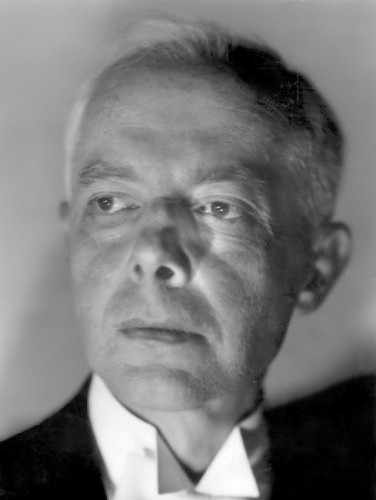
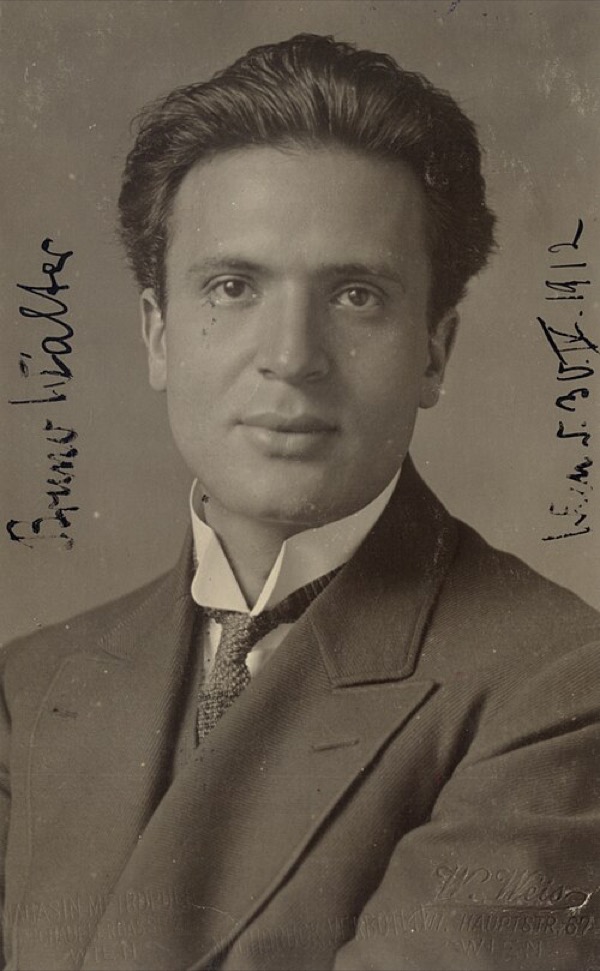
Béla Bartók
Critics praised the 1997 recording for a variety of reasons, including Bronfman’s ability to conquer the tremendous technical difficulties with clarity and control. His terrifying pianistic powers are always on display, yet he is able to maintain a full tone in even the most aggressive passages.
While his playing is always brilliant, yet never flashy, Bronfman shines in the lyrical, slower movements. He produces a full and creamy tone, accentuating the singing qualities in Bartók’s angular writing.
The LA Philharmonic under Salonen is a perfect match, as its modernist approach pairs well with Bronfman. Beautifully balanced, the texture remains clear throughout, with the percussion predictably deserving special mention.
In this recording, Bronfman and Salonen trace the fundamental trajectory of the Bartók concertos, moving from aggression to refinement with natural conviction. Bronfman still performs these concertos regularly, and his interpretations have clearly evolved, but the 1997 recording remains a benchmark for rhythmic precision and musical insight.
For more of the best in classical music, sign up for our E-Newsletter
Béla Bartók: Piano Concerto No. 3, BB 127 (Yefim Bronfman, piano; Los Angeles Philharmonic Orchestra; Esa-Pekka Salonen, cond.)