Born in Tokyo on 18 March 1943, Nobuko Imai initially studied the violin but, after hearing Joseph de Pasquale at the Tanglewood Festival, she decided to take up the viola. Graduate studies brought her to Yale and Juilliard, and she made her US recital début at Carnegie Hall in 1968.
Imai was a member of the Vermeer String Quartet from 1974 to 1979, which she still considers one of her greatest triumphs. “Every single day taught me so much… as chamber music has always been closest to my heart.” (Stewart, Nobuko Imai, The Strad)
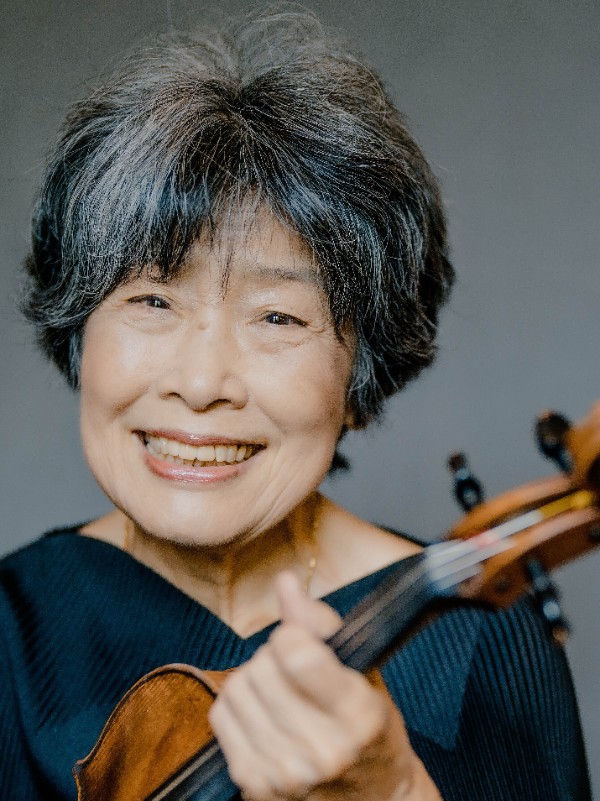
Nobuko Imai © Marco Borggreve
Her playing is known for its technical precision and expressive depth. In addition, she is a dedicated advocate of 20th-century music, and this includes the works of Paul Hindemith. Her two Hindemith recordings for BIS from the early 1990s have been highly praised, and on the occasion of her birthday, let’s compare her interpretations with other notable recordings.
Paul Hindemith: Viola Sonata (1939) (Nobuko Imai, viola; Roland Pöntinen, piano)
The Perfect Balance
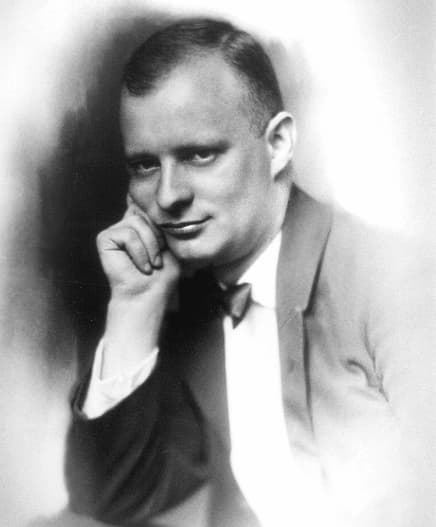
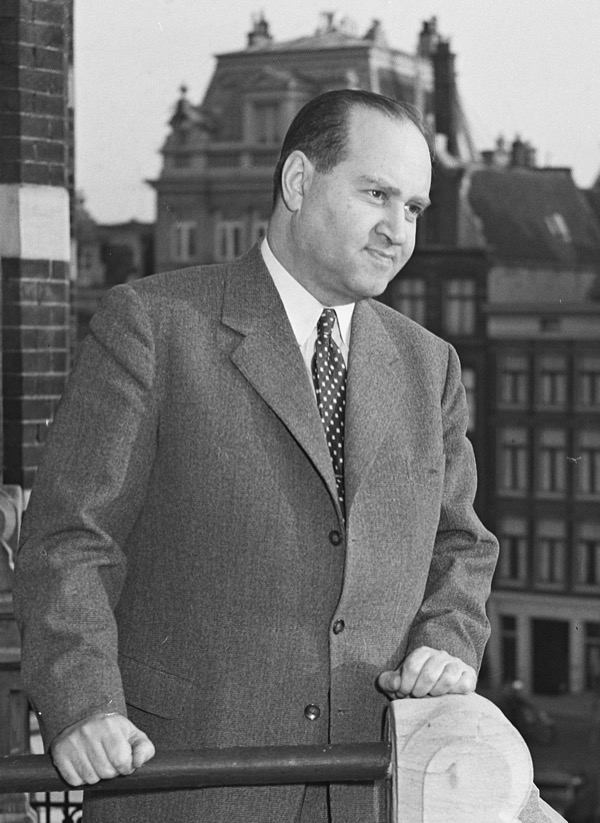
Paul Hindemith, 1923
Paul Hindemith, himself a virtuoso violist, composed several sonatas for the instrument. These include three viola sonatas with piano accompaniment and four solo sonatas. These works exploit the rich and dark timbre of the instrument while placing considerable technical demands on the performers.
Critics and listeners alike praise Imai’s interpretations for their clarity and intellectual approach. Yet, despite Hindemith’s severe contrapuntal style and edgy corners, Imai is able to navigate the music with considerable warmth.
Her performance is perfectly controlled, while the sound quality stands up well, even compared to Hindemith’s own historical performances. These recordings strike the perfect balance between intellectual insight and tonal beauty.
Nobuko Imai performs Hindemith: Viola Sonata Op. 25, No. 1 “Sehr langsam”
Painted Sound Worlds
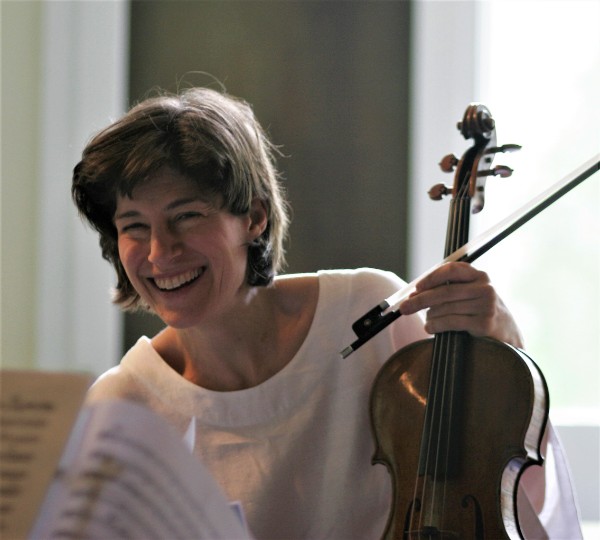
Kim Kashkashian
One of the most important and influential modern account of the Hindemith viola sonatas was recorded by Kim Kashkashian on ECM between 1985-86. Described as one of only a few violists with an international solo career, she won a 2013 Grammy Award for Best Classical Instrumental Solo.
Her approach to the Hindemith sonatas is essentially introspective, as she consistently produces an exceptionally mellow and rich sound. Emotionally layered and atmospheric, Kashkashian makes the complex contrapuntal passages sound spontaneous.
The contrast to Nobuko Imai is striking, as they come from two entirely different aesthetic ideals. The almost painted sound world of Kashkashian is contrasted by Imai’s brighter tone. Kashkashian is particularly interested in the philosophical and emotional core of Hindemith’s music, while Imai focuses on structural clarity and raw energy.
Kim Kashkashian performs Hindemith: Sonata for Solo Viola, Op. 11, No. 5 “Lebhaft”
Legendary Theatricality
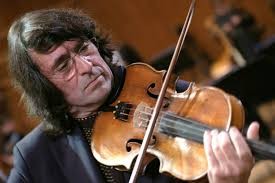
Yuri Bashmet
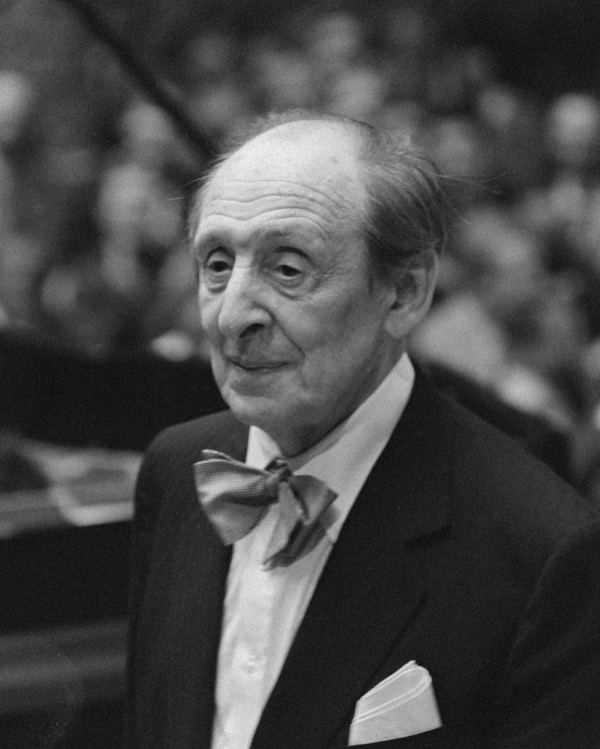
Ranked among the all-time greats, Yuri Bashmet’s collaboration with Sviatoslav Richter is frequently described as iconic in viola circles. Critics have praised it for its authority and partnership chemistry with Richter. Bashmet did not record the complete Hindemith sonatas, yet this commanding performance is legendary.
Bashmet’s interpretation is richly resonant, as he delivers a highly dramatic reading that focuses on structural power and dynamic extremes. Overtly expressive and forceful, Bashmet’s darker and more intense edge is capable of thunderous force and lyrical tenderness.
Compared with Imai’s rhythmic precision and forward drive, Bashmet adds greater emotional weight and theatricality. If Imai feels a bit more mechanical, it is because her approach is essentially aligned with Hindemith’s own no-nonsense approach.
Yuri Bashmet/Sviatoslav Richter play Hindemith: Viola Sonata, Op. 11, No. 4
Narrative Sweep
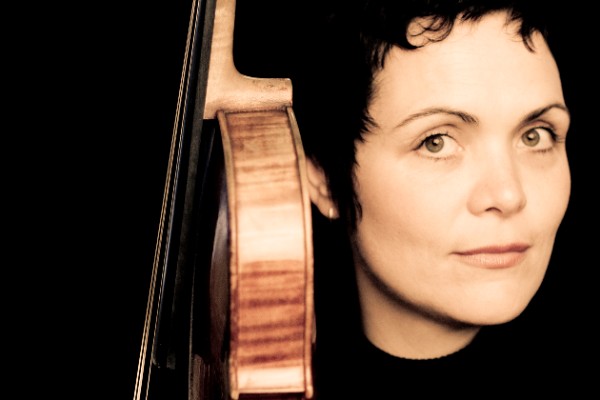
Tabea Zimmermann © Marco Borggreve
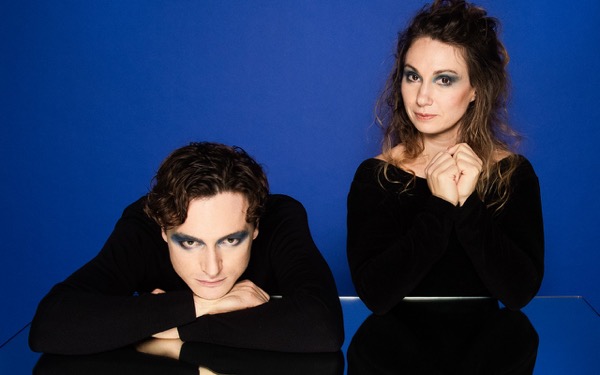
Within the context of Hindemith’s viola sonatas, we need to mention Tabea Zimmermann. She has recorded the complete works with pianist Thomas Hoppe for the Myrios Classics label. These recordings approach the works in chronological order, tracing Hindemith’s development as a violist and composer.
These interpretations are hailed as modern benchmarks, with critics praising the “quality of rightness.” Zimmermann’s full tone is projected with impeccable execution, and her playing is said to rival historical accounts.
Nobuko Imai’s early 1990s BIS recordings of Hindemith’s viola sonatas are a valued contribution to the repertoire. There is a clear balance between energy and tonal beauty, attributes that have significantly influenced modern performers. Her composer-aligned approach resonates with the search for authenticity that is so highly valued in the 21st century.
For more of the best in classical music, sign up for our E-Newsletter
Paul Hindemith: Viola Sonata, Op. 25, No. 4 (Nobuko Imai, viola; Roland Pöntinen, piano)