Every year on 1 October, the world comes alive with rhythm, melody, and harmony as we celebrate International Music Day. Established in 1975 by the International Music Council (IMC) under the auspices of UNESCO, this global observance is a testament to a force that transcends borders, cultures and generations.
International Music Day is not just a celebration of sound; it is a recognition of music’s profound ability to unite, heal, inspire, and transform lives. As we commemorate this day, we reflect on the profound significance of music in human history, its vital role in fostering peace and understanding, and its enduring power to shape our shared future.
Yehudi Menuhin plays Beethoven: Romance in F Major, Op. 50
A Vision of Harmony
International Music Day was initiated by Lord Yehudi Menuhin, the legendary violinist and the president of the IMC at the time. His vision was to promote music as a universal medium for peace and cultural exchange.
Menuhin believed that music could bridge divides, foster mutual understanding, and encourage dialogue in a world often fractured by conflict and misunderstanding. The choice of 1 October was symbolic, aligning with the autumn season in the Northern Hemisphere.
Since its inception, the day has grown into a global celebration, with concerts, workshops, music education programs, and community events held worldwide. The IMC’s objectives for the day include promoting musical diversity, ensuring access to music education, and protecting the rights of musicians and composers.
Ralph Vaughan Williams: Fantasia on a Theme by Thomas Tallis
Beyond Words
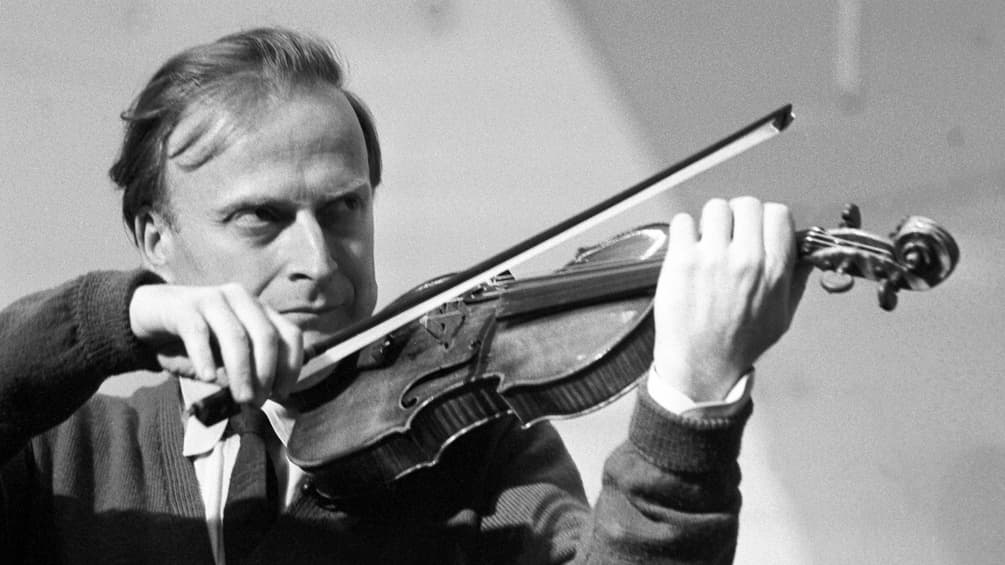
Yehudi Menuhin
What makes music so special that it warrants a dedicated international day? The answer lies in its unique ability to communicate emotions and ideas without the need for words. Music speaks to the soul, transcending linguistic, cultural, and geographical barriers.
There is a measure of universality in music’s ability to tap into the shared human experience. Neuroscientists have shown that music activates multiple areas of the brain, from those responsible for emotion to those linked to memory and even motor function.
When we listen to music, our brains release “feel-good” neurotransmitters, creating a sense of joy and connection. This biological response explains why music has been a part of every known human society, from ancient tribal rituals to contemporary streaming platforms.
Sergei Rachmaninoff: “Vocalise,” Op. 34 No. 14
From Stories to Healing
Beyond its aesthetic and emotional appeal, music has always played a pivotal role in shaping societies. It has been a tool for storytelling, preserving history, and passing down traditions.
In many cultures, music is inseparable from spiritual practices, serving as a conduit for connecting with the divine. It has also been a powerful force for social change. Throughout history, it has given voice to the marginalised and amplified calls for justice.
Today, artists continue to address issues like climate change, inequality, and mental health through their work, proving that music remains a potent instrument for advocacy and awareness.
One of the most remarkable aspects of music is its ability to heal. Music therapy harnesses the therapeutic potential of sound to address physical, emotional, and cognitive challenges. Studies have shown that music can reduce stress, alleviate symptoms of anxiety and depression, and even aid in the recovery of patients with neurological disorders.
Arvo Pärt: Spiegel im Spiegel
Digital Harmonies
In the 21st century, technology has transformed the way we create, share, and experience music. Streaming platforms like Spotify and YouTube have made millions of songs accessible at the touch of a button, while social media has given independent artists a global stage.
On International Music Day, the role of technology in democratising music is a key focus. Online concerts, virtual jam sessions, and digital music workshops allow people from different corners of the world to connect in real time, embodying the spirit of unity that the day seeks to promote.
As we celebrate International Music Day on 1 October, we are reminded of music’s extraordinary power to unite, heal, and inspire. In a world often divided by politics, religion, and ideology, music offers a rare space where differences dissolve, and humanity finds common ground.
In the words of the great Yehudi Menuhin, “Music creates order out of chaos, for rhythm imposes unanimity upon the divergent, melody imposes continuity upon the disjointed, and harmony imposes compatibility upon the incongruous.”
For more of the best in classical music, sign up for our E-Newsletter