We often regard Bedřich Smetana (1824–1884) as the father of Czech music, a pivotal figure in establishing a national identity through his compositions. While he is probably best known for his operas like The Bartered Bride and his orchestral works like Má Vlast, his solo piano played a significant role in shaping Czech musical identity.
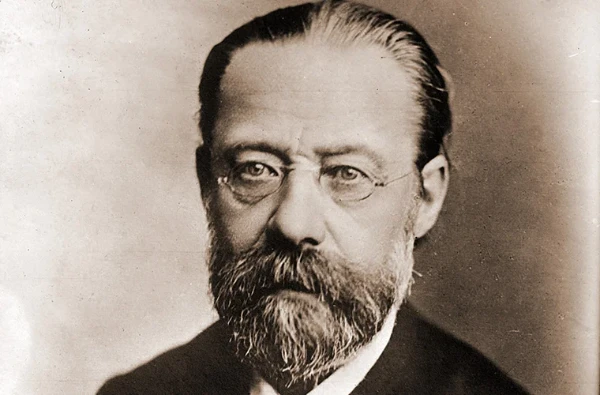
Bedřich Smetana
Smetana was a virtuoso pianist, and roughly two-thirds of his approximately 300 compositions are for solo piano, reflecting a decided mastery of the instrument. Smetana also had a delicious love affair with Bohemian dance music, specifically the polka.
This lively dance in 2/4 time originated in the Bohemian lands, and it became a central form in Smetana’s piano output. His use of the polka evoked a sense of cultural identity that blended folk-inspired rhythms with sophisticated romantic harmonies.
For Smetana, the polka, comparable to Chopin’s mazurkas or the waltzes by Strauss, served as a vehicle for both personal expression and nationalistic fervour. As such, he composed dozen of polkas that radiate vitality, optimism, and the resilience of Czech culture.
Bedřich Smetana: Polka in B-flat Major
Blending Virtuosity with National Identity
As a young composer and virtuoso pianist, Smetana was deeply influenced by the Romantic piano tradition of Chopin, Liszt, and Schumann, yet he sought to infuse his music with Czech folk elements, which had gained popularity in Bohemia during the 19th century.
The polka, with its origins in Czech folk dance, was not merely a social dance but a symbol of national identity during a period of cultural and political awakening under Austro-Hungarian rule.
Smetana’s engagement with the polka form began in the 1840s, and he is credited with being one of the first composers to elevate the polka from a salon piece to a sophisticated concert work.
Smetana’s polkas are characterised by their lyrical melodies, rhythmic vitality, and integration of Czech folk rhythms. His polkas served as a musical expression of Czech national identity, aligning with the broader 19th-century nationalist movement in music. They also reflect his personal experiences, with some works carrying autobiographical significance.
Bedřich Smetana: Polkas de Salon, Op. 7 (William Howard, piano)
Three Salon Polkas
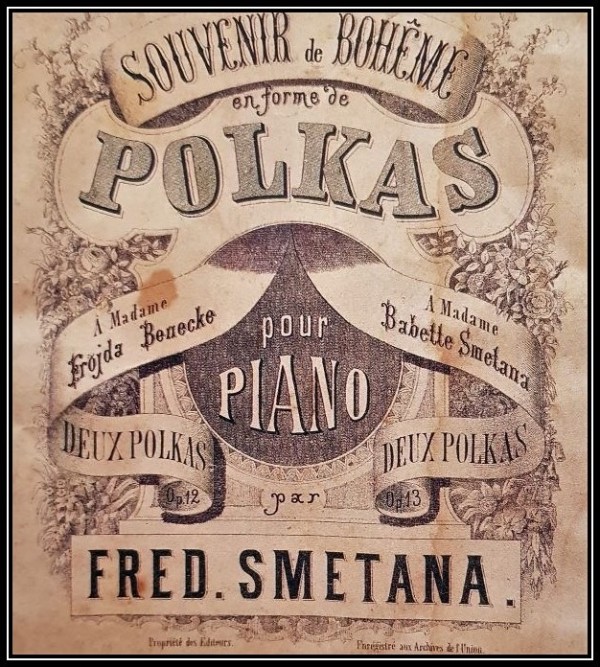
Bedřich Smetana’s Polkas for Piano
The Three Salon Polkas, Op. 7 emerged between 1854 and 1855 and are considered significant early contributions to the solo piano oeuvre. In this set, Smetana showcases his ability to transform this lively folk dance in duple meter into a refined concerto work.
Composed during his time in Prague, these polkas reflect the influence of Romantic piano virtuosos like Chopin and Liszt while incorporating the rhythmic vitality and melodic charm of Bohemian folk music. The set consists of three distinct pieces. The first in F-sharp major is exuberant and playful, the second in F minor carries a darker, more introspective mood, and the third in E major blends virtuosic flair with a festive spirit.
These works were written for the salon culture of the mid-19th century, balancing accessibility with sophisticated pianistic textures, and they mark Smetana’s early efforts to assert a Czech national identity in music during a period of Austro-Hungarian cultural dominance.
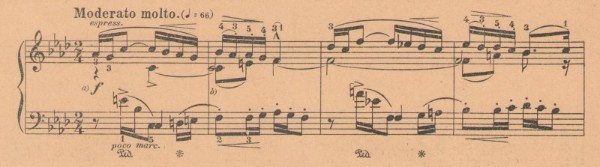
Bedřich Smetana’s Polkas de Salon II
The Salon Polkas are notable for their role in bridging popular dance forms with the Romantic concert tradition. Their lyrical melodies and syncopated rhythms evoke the polka’s dance origins, while their harmonic richness and dynamic contrasts reflect Smetana’s training as a pianist-composer. These polkas also reveal Smetana’s personal style, blending emotional depth with technical brilliance.
Bedřich Smetana: Polkas poetiques, Op. 8 (András Schiff, piano)
Three Poetic Polkas
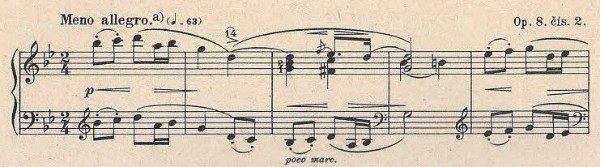
Bedřich Smetana’s Poetic Polkas II
Unlike the more extroverted Three Salon Polkas, Op. 7, the Three Poetic Polkas, Op. 8, represent a deeply expressive, introspective evolution of this engagement with the Czech polka. Composed during a challenging period in his life as he faced personal and professional transitions, these polkas emphasise lyrical melodies and emotional depth.
Smetana transformed the lively dance form into a vehicle for Romantic expression. The first polka in E-flat major is tender and song-like, the second in G minor conveys a dramatic and sombre mood, and the third in A-flat major radiates warmth and elegance. As a scholar wrote, “these works blend the rhythmic vitality of the Czech polka with sophisticated harmonies and pianistic textures, reflecting Smetana’s influences from Chopin and Liszt while asserting a distinct Czech identity.”
The Poetic Polkas are significant for their integration of nationalist elements within a Romantic framework, showcasing Smetana’s skill in elevating a folk dance into a concert piece with poetic nuance. Composed during a time of cultural awakening in Bohemia, they subtly incorporate Czech melodic and rhythmic traits, aligning with the broader 19th-century movement to assert national identity through music.
Scholars and critics see a maturation of Smetana’s style in this set as the composer moved beyond the salon-oriented charm of his earlier works towards a more personal and introspective voice. Their emotional range and technical finesse make them a vital part of Smetana’s piano repertoire, prefiguring the nationalist depth of his later Czech Dances.
Bedřich Smetana: Souvenir de Bohème en forme de polkas, Op. 12 (Jan Novotný, piano)
Memories of Bohemia
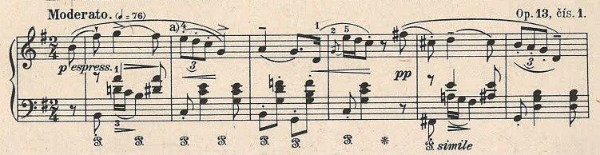
Bedřich Smetana’s Memories of Bohemia Op. 13 No. 2
Bedřich Smetana’s move to Sweden in 1856 was driven by a combination of personal and professional challenges. Back home, he faced financial difficulties and endured the emotional toll of losing three daughters.
In addition, Smetana had received limited recognition as a composer in Prague, and disillusioned by the lack of support for his nationalist musical vision, was seeking to make a fresh start. As such, he accepted an invitation to serve as a conductor and music teacher in Gothenburg, Sweden, a culturally vibrant city with a growing interest in Romantic music.
This move offered financial stability and a chance to establish his reputation in a more receptive environment. During this 5-year formative period, Smetana refined his compositional style and gained experience as a conductor.
Despite initial success, which included the founding of a musical school and conducting philharmonic concerts, Smetana grew homesick and felt isolated from the Czech nationalist movement. The death of Smetana’s first wife Kateřina further deepened his resolve to return to Bohemia, where political changes “eventually drew him back in 1861 to pursue his vision of a Czech national music.”
Bedřich Smetana: Souvenir de Bohème en forme de polkas, Op. 13 (Jan Novotný, piano)
Memories of Bohemia II
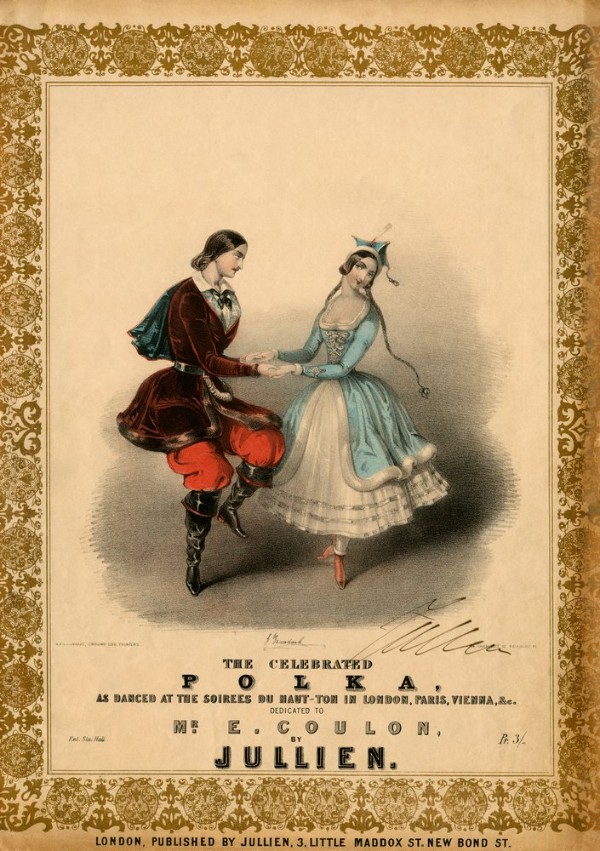
Couple dancing the Polka
His first set of Memories of Bohemia in Polka Form, Op. 12, immediately captures the nostalgic and vibrant spirit of Bohemian folk traditions. The first polka in A minor is spirited yet tinged with melancholy, evoking rural Bohemian life, while the second in E-flat major is more buoyant, showcasing Smetana’s pianistic flair and knack for melodic charm.
These works beautifully blend Romantic expressiveness with nationalist elements, using syncopated rhythms and modal inflexions reminiscent of Czech folk music. The Op. 12 is dedicated to Mrs Frojda Benecke, while the Op. 13 is pledged to his second wife, Bettina.
Similarly, the Memories of Bohemia in Polka Form, Op. 13 comprises two polkas that further explore Smetana’s nostalgic vision of his homeland. The first polka in E minor is introspective and lyrical, with intricate textures that highlight Smetana’s skill as a pianist-composer, while the second in E-flat major exudes a lively, dance-like energy, reflecting the festive atmosphere of Bohemian gatherings.
Bedřich Smetana: Czech Dances, Book 1 (Jitka Čechová, piano)
Czech Dances
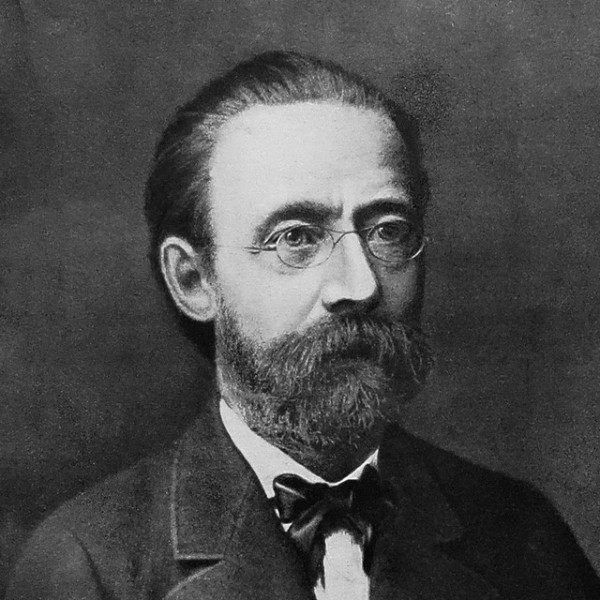
Bedřich Smetana
Bedřich Smetana composed the first book of Czech Dances late in his career after he had become deaf in 1878. These polkas represent the culmination of his lifelong engagement with this Czech folk dance. Untitled, they are distinguished by their keys and are deeply rooted in Bohemian folk traditions featuring robust rhythms, modal melodic contours, and intricate harmonies that evoke the rustic vitality of Czech village life.
These dances disclose a marked evolution from his earlier polkas. Unlike the salon-oriented Op. 7 polkas, which are elegant and virtuosic with a lighter, more cosmopolitan flair influenced by Chopin and Liszt, or the introspective and lyrically refined Op. 8 polkas, the Czech Dances polkas are structurally bolder and more authentically folk-inspired, with denser textures and a raw, earthy energy that reflects Smetana’s mature nationalist vision.
Scholars have suggested that these polkas, written during a period of personal hardship and fervent Czech cultural revival, elevate the form to a symphonic level, serving as a musical manifesto of national identity, distinct from the decorative charm of his youthful polkas. While the early polkas were tailored for the salon and prioritised pianistic brilliance, the Czech Dances polkas accentuate folk authenticity and emotional depth that aligns with Smetana’s “later operas and symphonic poems in their patriotic intensity.”
Bedřich Smetana’s polkas for solo piano, spanning from his early Salon and Poetic Polkas to the mature Czech Dances, are a testament to his genius in transforming a humble Czech folk dance into a sophisticated art form that resonates with both national pride and universal emotion. Through their rhythmic vitality, lyrical depth, and evolving nationalist spirit, these works remain a cornerstone of Czech music, inspiring generations of composers and performers.
For more of the best in classical music, sign up for our E-Newsletter
Bedřich Smetana: “Bettina Polka” in C Major (Jitka Čechová, piano)