In his notes to his new recording of Pyotr Ilyich Tchaikovsky‘s (1840–1893) music, pianist Daniil Trifonov invites us to reconsider this seminal Russian composer. Instead of considering only his mature works (the symphonies, concertos, ballets, and operas) as the expression of the ‘deep conflicts of a troubled soul’, we should consider the works from his youth to discover the whole person. Nestled in the heart of his family, the young Tchaikovsky wrote works that better reflect the emotional security and affection that are often missing in his later years.
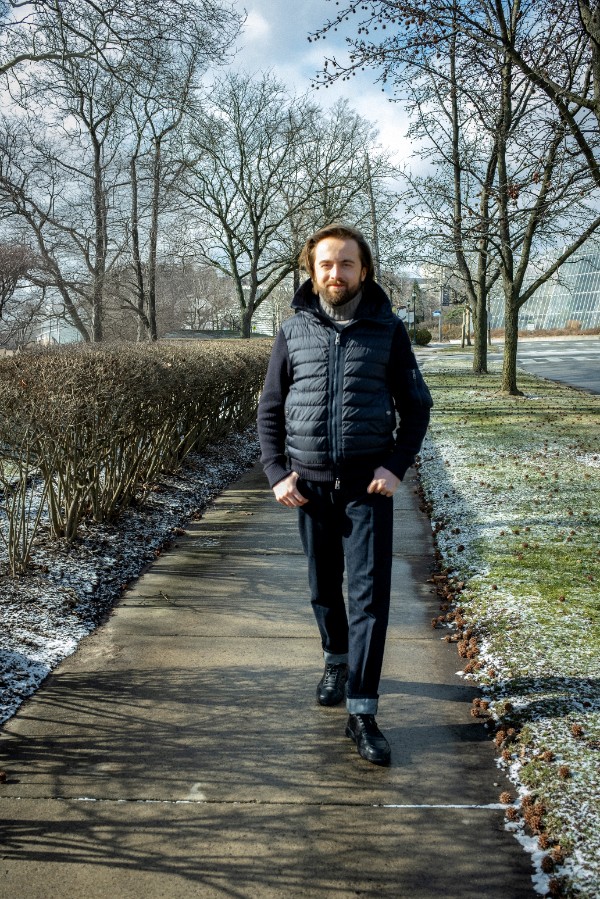
Daniil Trifonov, 2025 (photo by Dario Acosta)
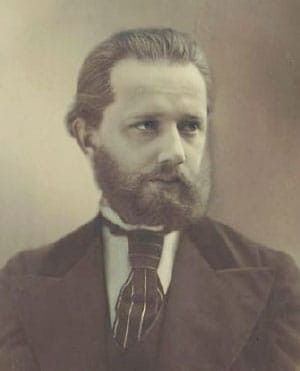
Pyotr Ilyich Tchaikovsky
Central to Trifonov’s thesis is the role of Tchaikovsky’s mother, Aleksandra Andreyevna Assier. She was the one who got him into music, and his first attempt at composition came when he was 4 years old, when he and his 3-year-old sister Aleksandra wrote a song for their mother: “Our Mama in Petersburg.”
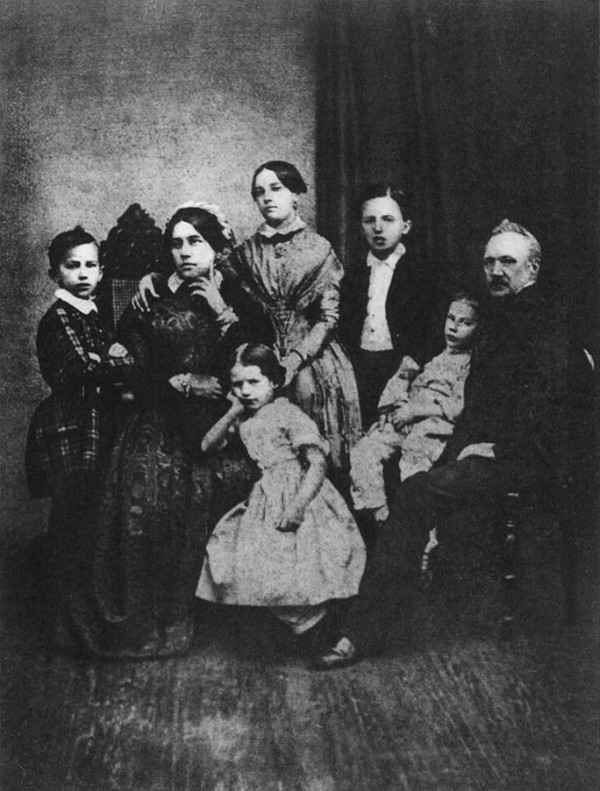
The Tchaikovsky family in 1848 (from left to right: Pyotr Tchaikovsky, his mother Alexandra Andreyevna, his brothers and sisters,
and his father Ilya Petrovich)
His happy childhood ended in 1854, with the death of his mother from cholera in St Petersburg. Tchaikovsky abandoned his law studies to pursue a career as a composer. One of the keys to his life was his continued connection with his family, supporting his siblings (Nikolay, Aleksandra, Ippolit, and the twins Anatoly and Modest) and carrying a continued reverence for his departed mother. Tchaikovsky loved thinking about his youth and happiness, yet also did not want to start life over again. Happy memories outweighed painful ones and should be viewed from a distance.
One of Tchaikovsky’s first works on this album is his Piano Sonata in C sharp minor, Op. 80, which was composed in his final year at the St Petersburg Conservatoire. It possesses all the bravura of youth, yet it also has a heartfelt element that makes it something more than a student piece. Composed in 1865, it was not published until 1900 when his brother Modest, working with Tchaikovsky’s publisher Jurgenson, brought out the work.
Pyotr Ilyich Tchaikovsky: Piano Sonata in C sharp minor, Op. 80 – IV. Allegro vivo
In 1878, following the model of Robert Schumann, Tchaikovsky created his own Children’s Album, Op. 39. The pianist called them ‘glimpses of childhood’s emotional innocence through the lens of a mature eye’. Two notable movements are Mama (No. 4) and Nanny’s Tale (No. 19), which Trifonov believes come from ‘specific memories’ of his mother.
Pyotr Ilyich Tchaikovsky: Children’s Album, Op. 39 – XIX. Nanny’s Tale
The real gem on the recording, however, is Mikhail Pletnev’s 1978 transcription of highlights from Tchaikovsky’s 1890 ballet The Sleeping Beauty.
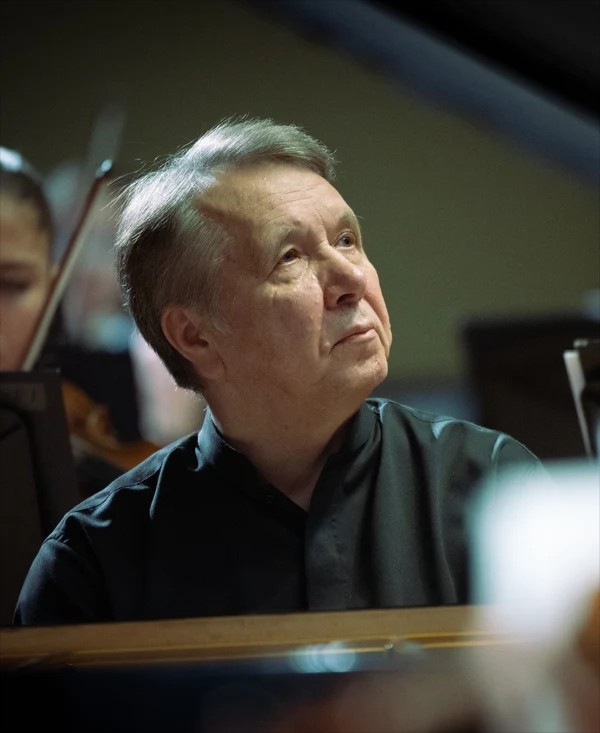
Mikhail Pletnev (photo by Alexei Molchanovsky)
This is Tchaikovsky at his brilliant balletic height, rendered by a transcriber in his final year at the Moscow Conservatory. Trifonov says ‘Pletnev’s Sleeping Beauty is not simply a piano reduction of Tchaikovsky’s beautiful orchestra score; it is a re-imagination of the musical material into a masterful piano work in its own right’. The 21-year-old Pletnev found a way to ‘orchestrate the piano’ in a way that combined his own technical brilliance and compositional skills with the material from Tchaikovsky’s ballet. Trifonov comments that ‘each number becomes a Tchaikovskyan piano jewel while preserving its roots in fairy tale and dance’.
As a collection of Tchaikovsky’s youthful works and the Pletnev Sleeping Beauty concert suite, Trifonov’s recording enables us to see many different sides of this complex and complicated composer. Dismissed for many years for its familiarity, Tchaikovsky’s music is starting to come back to our attention again, and a recording such as this, which explores both ends of Tchaikovsky’s career, does a great deal to broaden our own definitions of his music and musical style.

Tchaikovsky: The Sleeping Beauty, Children’s Album, Piano Sonata, Op. 80, and Theme and Variations op. 19/6
Daniil Trifonov, piano
Deutsche Grammophon 00028948674718
Release date: 3 October 2025
For more of the best in classical music, sign up for our E-Newsletter