
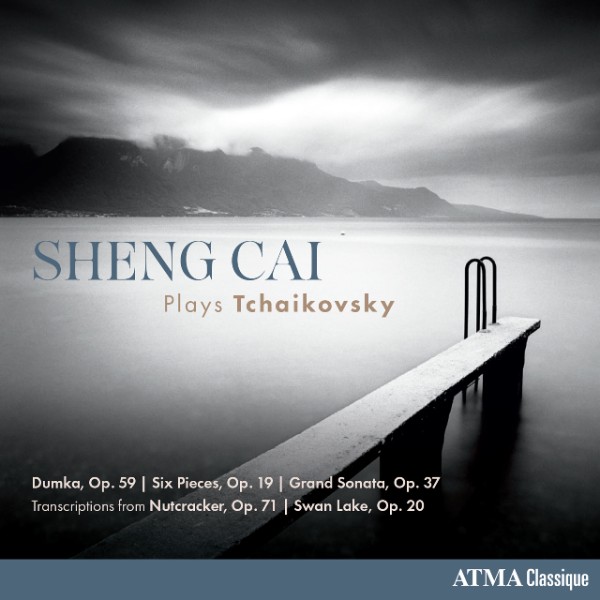
Canadian pianist Sheng Cai takes a fresh look at Tchaikovsky‘s piano music, highlighting repertoire often overshadowed by the piano concertos. In this recording, Cai presents selections from the composer’s solo piano output: the Grand Sonata for piano, a work of
Tchaikovsky
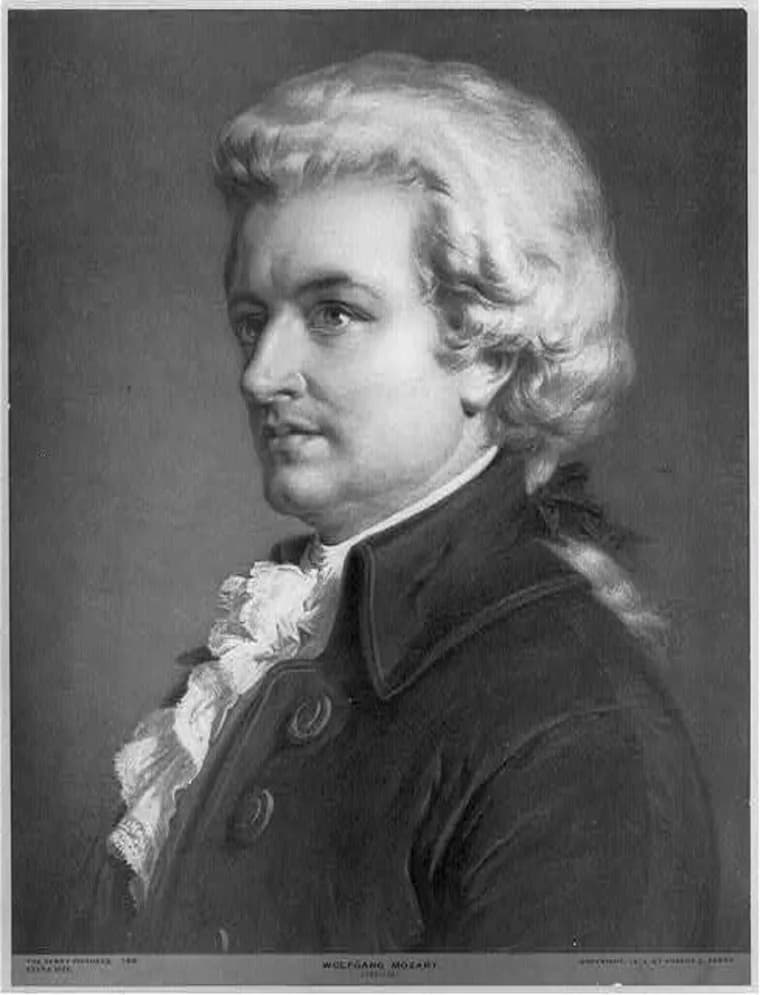
It is well-known that Mozart was one of the most important influences on the music of Tchaikovsky. Of him, Tchaikovsky used to say that he was the highest, the culminating point that beauty has attained in the sphere of music. The
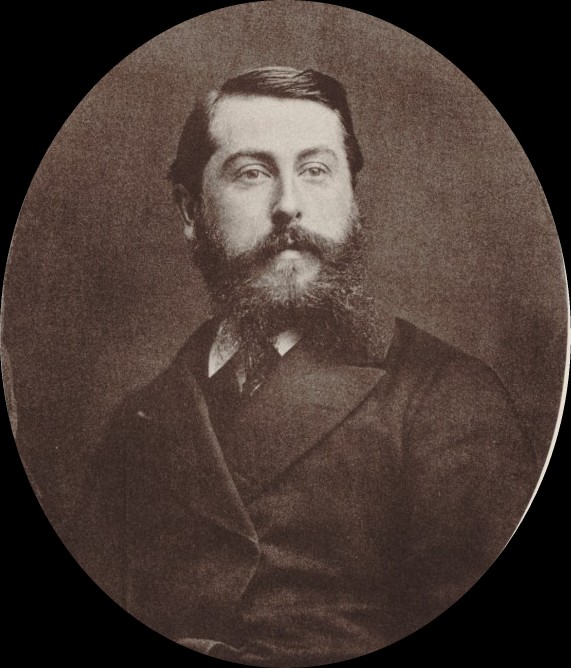
When Léo Delibes died in Paris on 16 January 1891, the musical world lost a composer who had quietly but decisively altered the course of ballet music. His passing came at a moment of transition, as classical ballet was moving away
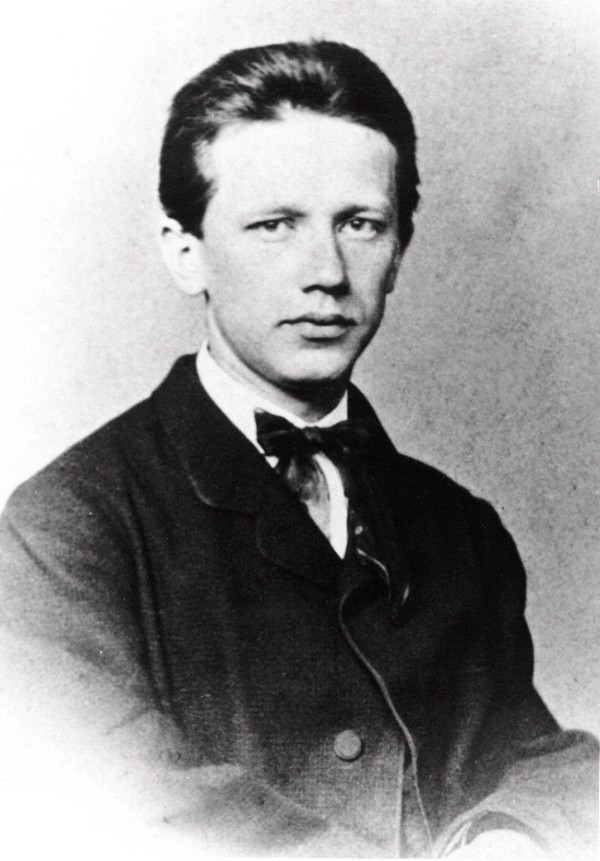
No country does winter like Russia, and no composer evokes Russia like Tchaikovsky. Today we’re looking at Tchaikovsky’s most wintry works. What makes a piece of classical music “wintry”, you might ask? Here’s a starting point: References in the title
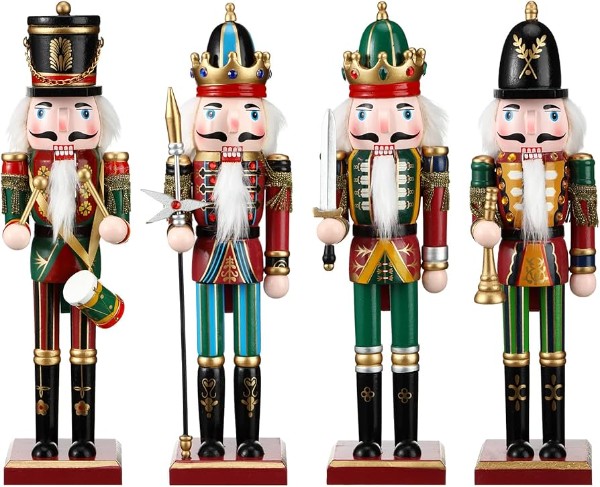
We’re working our way into that time of year – you can get ambushed around every corner by The Nutcracker. Either as a standing figure occupying a store window or audibly with audio in the store. Tchaikovsky – he’s everywhere!
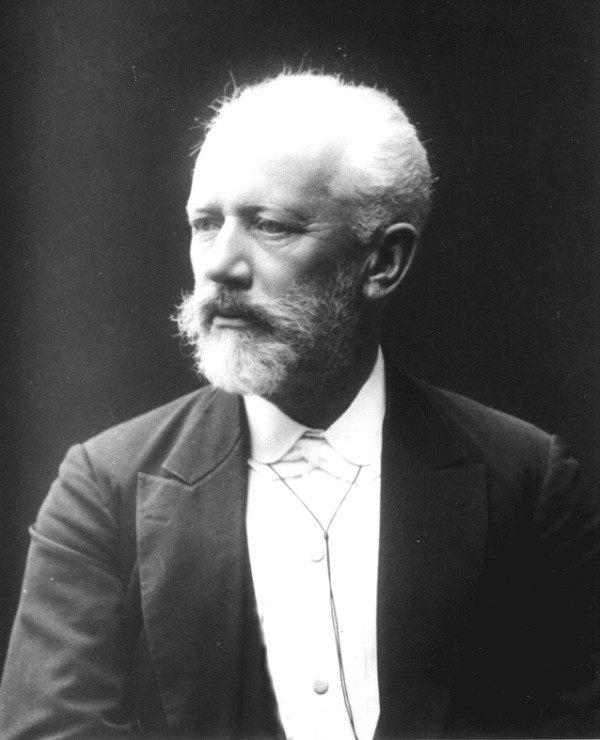
If you’ve ever listened to sad classical music, chances are you’ve listened to something from Pyotr Ilyich Tchaikovsky. Celebrated (and sometimes mocked) for his extremely emotional output, Tchaikovsky composed some of the most heartbreaking classical music ever written. In this
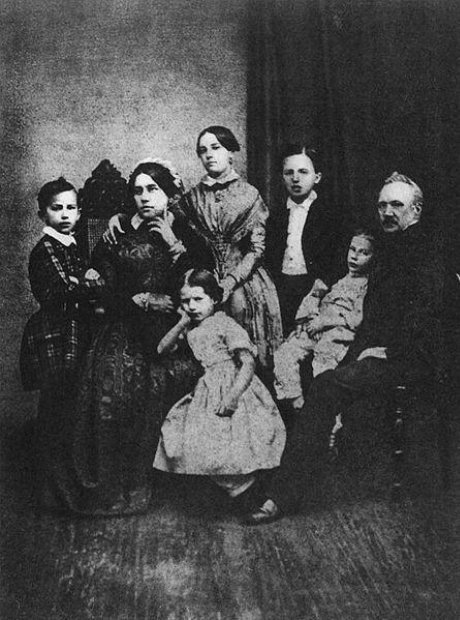
Pyotr Ilyich Tchaikovsky was born into a large and close-knit Russian family in 1840. Every composer’s family has a major impact on his life, but Tchaikovsky’s family had an especially major impact on his. One brother became an early biographer
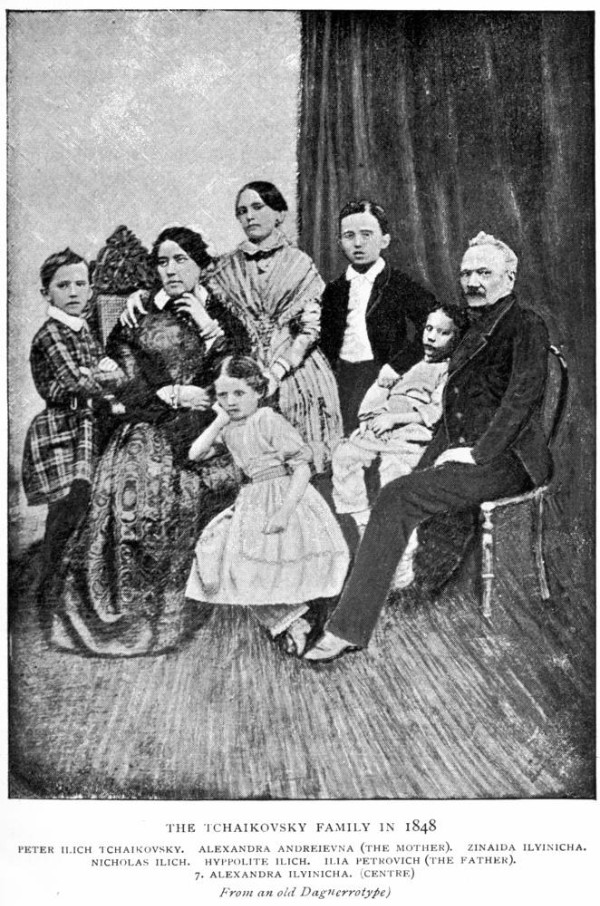
In 1906, just thirteen years after Tchaikovsky’s sudden, shocking death, British musicologist Rosa Newmarch wrote the first full-length biography of the Russian composer. In it, she includes a number of evocative details about his childhood. Today, we’re looking at some