
The Austrian composer, pianist and teacher Carl Czerny (1791–1857) was one of the towering figures in the history of nineteenth-century pianism. He is probably best known for his extensive pedagogical works, such as his études and exercises. Yet, Czerny was
Czerny
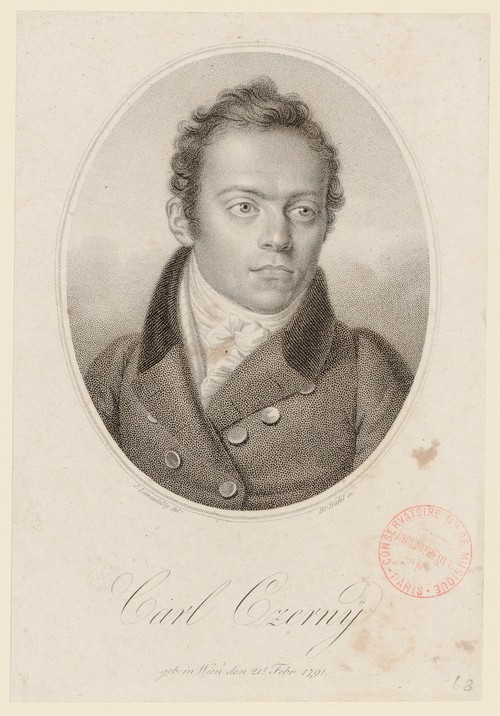
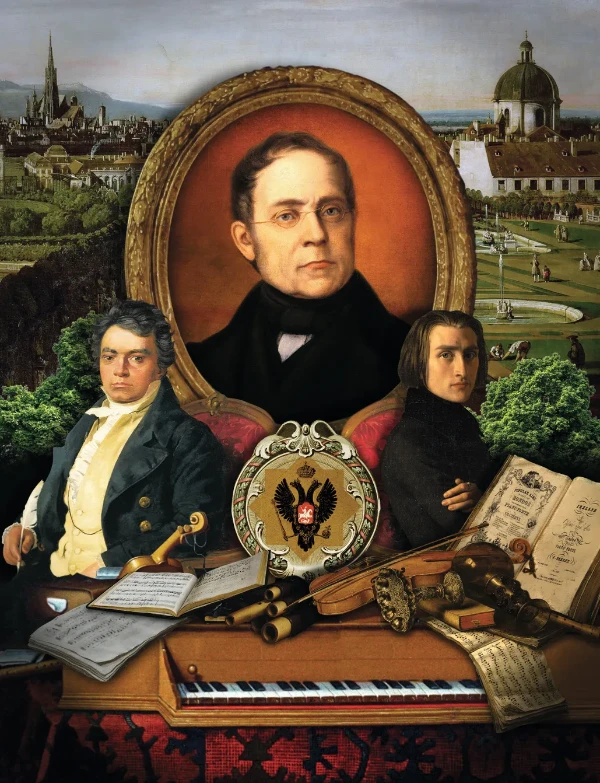
The Austrian composer, pianist and teacher Carl Czerny (1791–1857) is best known for his extensive pedagogical works, such as his études and exercises. Yet, Czerny was more than just a teacher of technique. He was a visionary who understood the
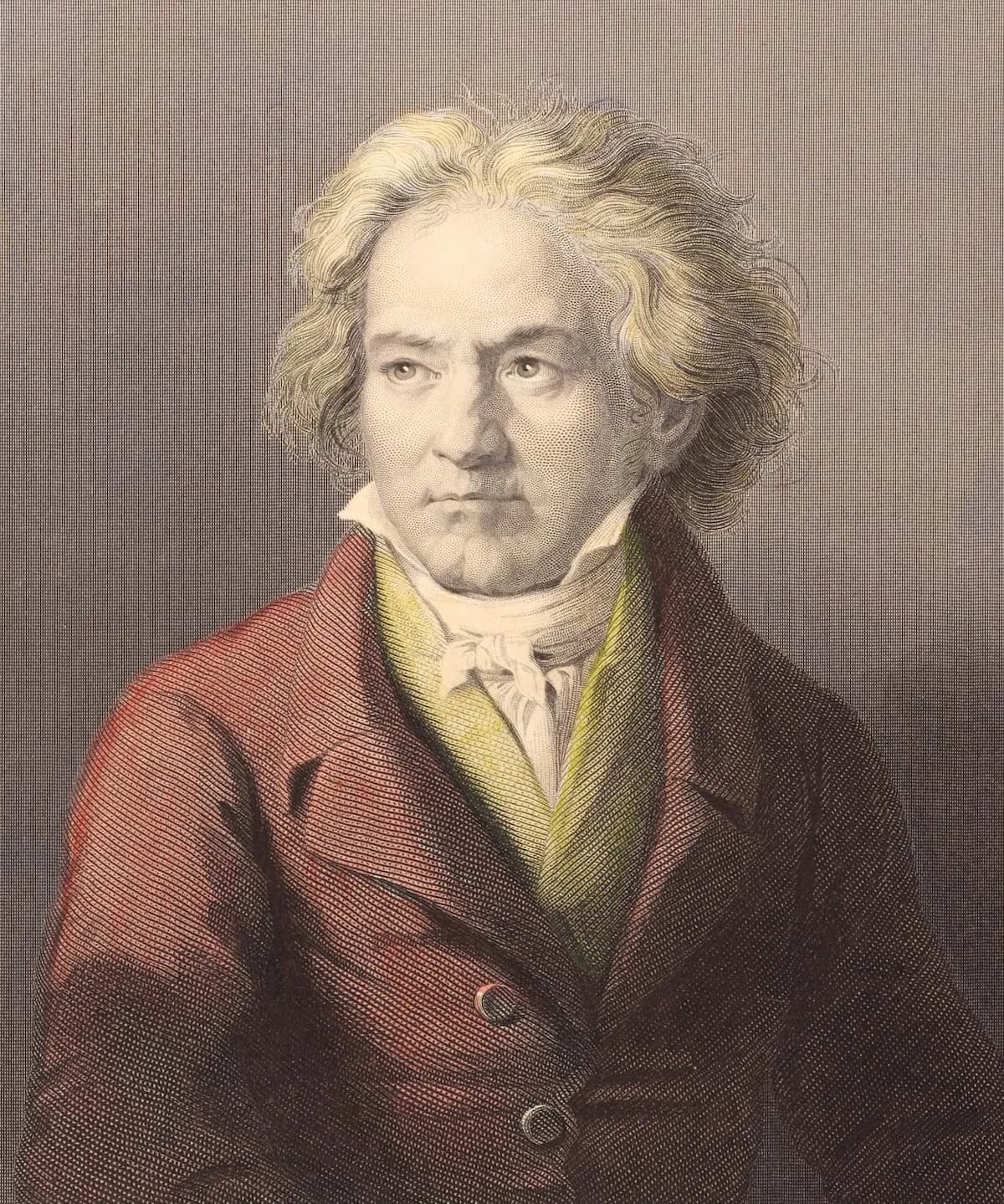
Ludwig van Beethoven has gone down in classical music history as a great, defiant, wild-haired composer genius. However, being a genius doesn’t always pay the bills. So throughout his life, Beethoven often took on piano students to supplement his income…at

Carl Czerny (1791–1857) had the benefit of a father, Wenzel, who knew everyone in music in Vienna. Wenzel worked in all aspects of music as a pianist, an organist, an oboist, and a singer and he made his money teaching
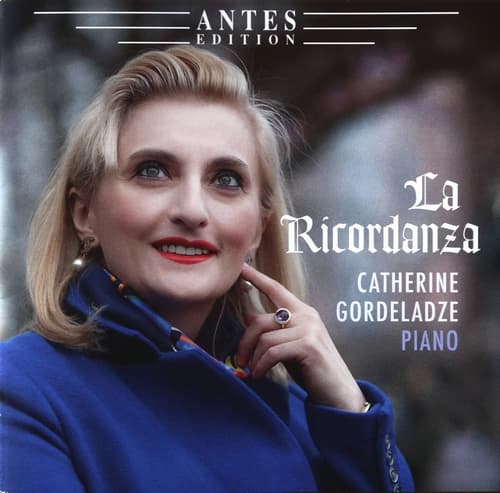
We caught up with Georgian pianist Catherine Gordeladze to talk about her new album ‘La Ricordanza’, a selection of piano works inspired by or reminiscent of the human voice. Can you tell us a little more about the inspiration for
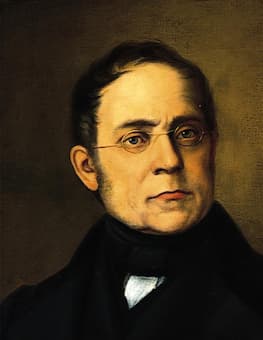
Carl Czerny, unquestionably one of the towering figures in the history of nineteenth-century pianism, died on 15 July 1857 at the age of 66. As a contemporary publication notes, “The death of Carl Czerny, although it cannot be said to
For every aspiring pianist, Carl Czerny is still a household name. His extensive sets of technical exercises are part of nearly every pianist’s training. Czerny was also the most famous student of Beethoven, and in turn a teacher of Liszt.
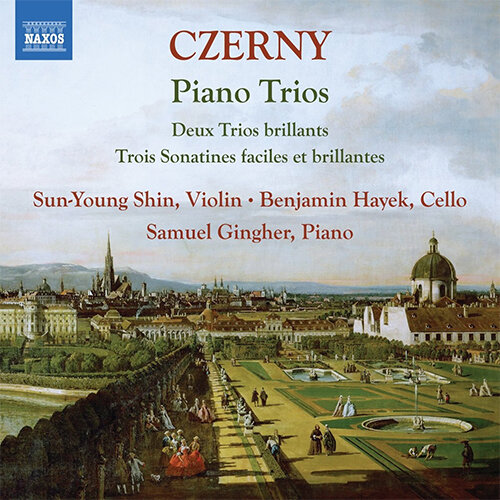
Trio Brillant in A Major for Violin, Cello and Piano, Op. 211, No. 2 – III. Bolero. Rondo: Allegro vivo From CZERNY, C.: 2 Trios Brillants, Op. 211 / 3 Sonatinas for Piano Trio, Op. 104 (2018) Released by Naxos