The prominent French composer Charles Gounod (1818–1893) is best known for his operas and his lyrical vocal works. However, his sacred choral music represents a significant yet often underappreciated facet of his oeuvre.
Gounod’s choral works range from large-scale oratorios to intimate motets and reflect his deep engagement with religious themes. All feature his trademark lyrical melodic style, and showcase his ability to blend French operatic sensibilities with the traditions of sacred music.
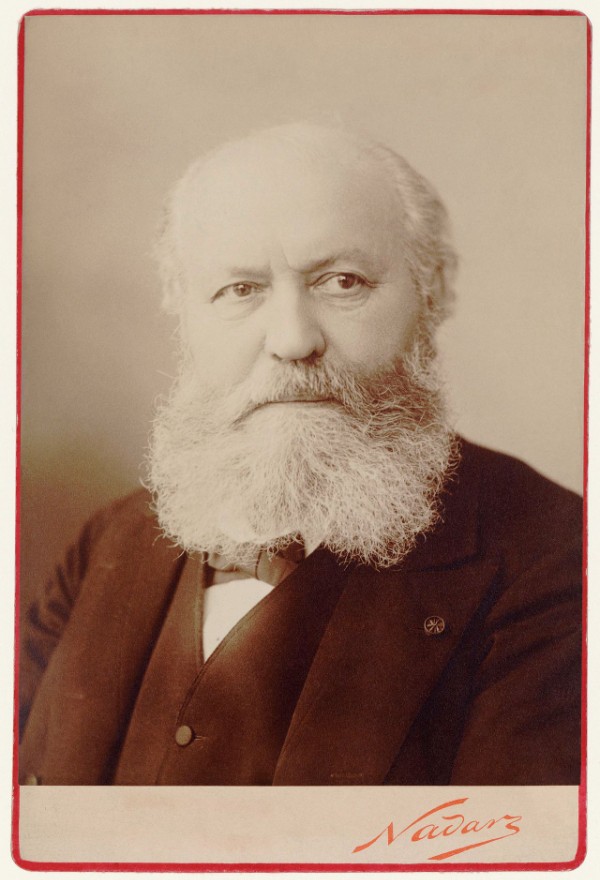
Charles Gounod, 1890
To commemorate his passing on 18 October 1893, let’s examine the scope, style, and significance of Gounod’s choral music, all situated within the context of 19th-century French musical culture.
Charles Gounod: Ave Verum Corpus
Reviving the Sacred
The choral music of Charles Gounod emerged during a period of significant transformation in French music. While the French Revolution had attempted to secularise liturgical music, the 19th century saw a revival of sacred music in France, spurred by the Catholic Church’s effort at revival.
Composers like Charles Gounod were influenced by both the operatic traditions of the Paris Opéra and the renewed interest in Gregorian chant and Renaissance polyphony, promoted by figures like Prosper Guéranger at the Solesmes Abbey.
His early exposure to sacred music came through his studies with Antoine Reicha and his time at the French Academy in Rome, where he encountered the works of Palestrina and other Renaissance masters. This experience profoundly shaped his approach to choral writing, infusing his sacred music with a blend of classical restraint and Romantic expressiveness.
Charles-François Gounod: La redemption: From thy love as a Father (Joanna Burton, soprano; Francesca Massey, organ; Cambridge Gonville and Caius College Choir; Geoffrey Webber, cond.)
Lyrical Devotion
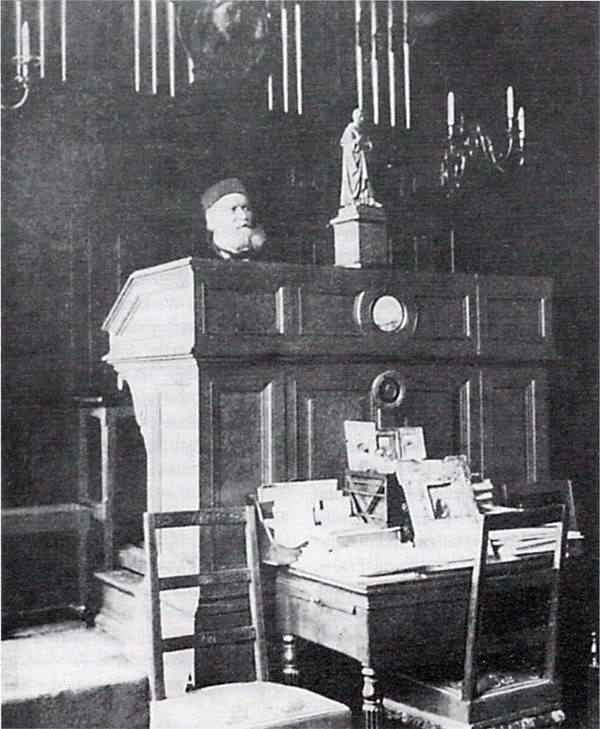
Charles Gounod playing his organ
Gounod’s sacred compositions include masses, motets, and oratorios, and they reflect his personal spirituality, which was marked by periods of intense devotion and “a brief consideration of priesthood.” This spiritual depth, combined with his operatic flair, distinguishes his choral music from that of his contemporaries, such as Camille Saint-Saëns or César Franck.
Gounod’s choral music typically features lyrical melodies, rich harmonies, and pays careful attention to text setting, qualities that reflect his operatic background. His ability to craft memorable, flowing melodies, often described as “cantabile,” is evident in works like the Messe Solennelle de Sainte-Cécile of 1855, one of his most celebrated choral compositions.
This mass, written for soloists, choir, and orchestra, exemplifies Gounod’s ability to balance grandeur with intimacy. The “Sanctus,” for instance, features a soaring melody for the solo voice, accompanied by lush choral harmonies, creating a sense of ethereal reverence. The orchestration, with its prominent use of harp and organ, adds a distinctive colour that enhances its liturgical yet theatrical character.
Charles Gounod: Messe solennelle de Sainte Cécile, “Sanctus”
Clarity and Contrast
Much of Gounod’s choral writing employs homophonic textures, allowing the text to remain clear and the melody to take precedence. This approach aligns with the French preference for clarity and elegance, as opposed to the denser polyphony employed by German Romantic composers.
However, Gounod was not averse to polyphonic techniques when they served the text’s emotional weight. In Les Sept Paroles du Christ sur la Croix, a set of seven motets for unaccompanied choir, Gounod uses imitative counterpoint to underscore the solemnity of Christ’s final words.
The motet “Tenebrae factae sunt” employs stark chromatic shifts and dynamic contrasts to evoke the darkness that fell upon the earth, demonstrating Gounod’s sensitivity to textual imagery.
Charles-François Gounod: Les 7 paroles de N.S. Jesus-Christ sur la croix – No. 4. Tenebrae factae sunt (I Vocalisti; Hans-Joachim Lustig, cond.)
A Sacred Masterpiece
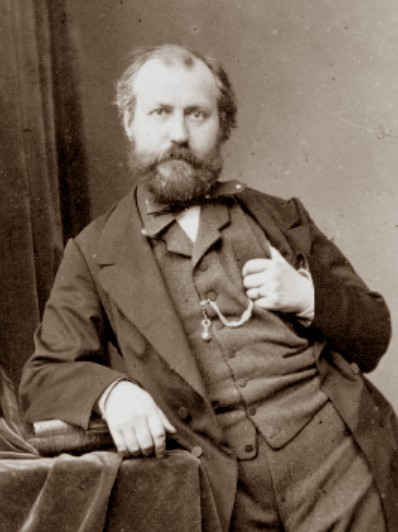
Charles Gounod
The Messe Solennelle de Sainte-Cécile is arguably Gounod’s most famous choral work and a cornerstone of the 19th-century French sacred music repertoire. Composed for the feast of St. Cecilia, the patron saint of music, the mass was premiered at Saint-Eustache in Paris and quickly gained popularity for its accessibility and emotional resonance.
The work’s structure follows the traditional Mass Ordinary (Kyrie, Gloria, Credo, Sanctus, Benedictus, Agnus Dei), but Gounod infuses it with a Romantic sensibility. The “Gloria,” for example, features a jubilant choral outburst, with cascading orchestral figures that evoke a sense of divine celebration. The success of the mass lies in its ability to appeal to both liturgical audiences and concertgoers, a testament to Gounod’s versatility.
Critics have noted that the Messe Solennelle reflects Gounod’s attempt to reconcile the operatic and sacred traditions. As scholar Steve Huebner observes, “Gounod’s mass is a product of its time, blending the theatricality of the French grand opera with the spiritual aspirations of the Catholic revival.”
Charles Gounod: Messe Solennelle de Sainte-Cécile, “Gloria”
Fusion of Devotion and Lyricism
Charles Gounod developed a choral style that balanced classical clarity with Romantic expressiveness. His motets, typically written for unaccompanied choir, prioritise textual clarity and emotional resonance, aligning with the French preference for melodic elegance over dense counterpoint.
O Salutaris Hostia was composed in 1868, and showcases Gounod’s lyrical gift. Written for the Feast of Corpus Christi, this work features a flowing melody over a homophonic choral texture, emphasizing the text’s Eucharistic devotion.
The motet’s simplicity and directness make it accessible for liturgical use, yet its expressive harmonies, according to scholars, “elevate it to concert repertoire.” Gounod’s ability to blend operatic lyricism with sacred restraint is evident here, as the motet’s soaring lines evoke both reverence and emotional warmth.
Charles-François Gounod: O salutaris hostia in A-Flat Major (Joanna Burton, soprano; Thomas Hewitt Jones, organ; Cambridge Gonville and Caius College Choir; Geoffrey Webber, cond.)
Sacred Soundscape
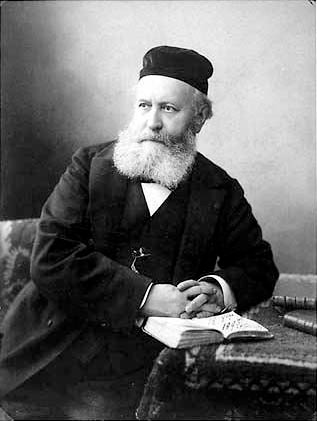
Charles Gounod
Gounod’s sacred motets were well-received in his lifetime, particularly in France and England, though their “unaccompanied nature and technical demands limited their performance frequency compared to his orchestral masses.”
Critics occasionally debated their operatic flourishes, but their devotional sincerity was widely praised. In the 20th century, Gounod’s choral music fell out of favour as musical tastes shifted toward modernism and the rediscovery of earlier sacred music traditions.
However, recent decades have seen a revival of interest, with performances and recordings of works like the Messe Solennelle and Les Sept Paroles highlighting their enduring appeal. Scholars have emphasised Gounod’s role in bridging the gap between the sacred and secular realms, arguing that his choral music deserves greater recognition within the broader context of Romantic music.
Charles-François Gounod: Les 7 paroles de N.S. Jesus-Christ sur la croix – Prolog (Valerie Bonnard, alto; Lausanne Vocal Ensemble; Michel Corboz, cond.)
Between Church and Stage
Charles Gounod’s choral music represents a unique synthesis of Romantic lyricism, operatic drama, and sacred devotion. He was certainly able to craft expressive, accessible music that resonates with both liturgical and concert audiences.
His skilful integration of solo and choral voice, and the interplay between soloists and choir, creates a dramatic dialogue that mirrors the operatic structure of his stage works. This blending of operatic and sacred elements has led some critics to argue that Gounod’s choral music straddles the line between the concert hall and the church.
While this duality enriched his compositions, it also sparked debate among contemporaries who questioned the appropriateness of theatrical elements in sacred settings. However, by blending the clarity of French musical traditions with the emotional depth of Romanticism, Gounod created a choral repertoire that remains compelling today.
For more of the best in classical music, sign up for our E-Newsletter
Charles-François Gounod: Messe dite de Clovis (Emőke Baráth, soprano; Concert Spirituel Chorus; Concert Spirituel Orchestra; Hervé Niquet, cond.)