I’ve been working with London-based Chinese pianist Siqian Li, whose debut disc is a selection of transcriptions for solo piano of works by, amongst others, Maurice Ravel, George Gershwin and Alexis Weissenberg. The Weissenberg transcriptions, in particular, have really caught my attention – a reminder of the great skill in transcribing already beautiful music into solo piano repertoire that remains faithful to the original while bringing something new or different.
Here are five of the best song transcriptions for solo piano:
Schubert/Liszt – ‘Ständchen’ (Serenade)
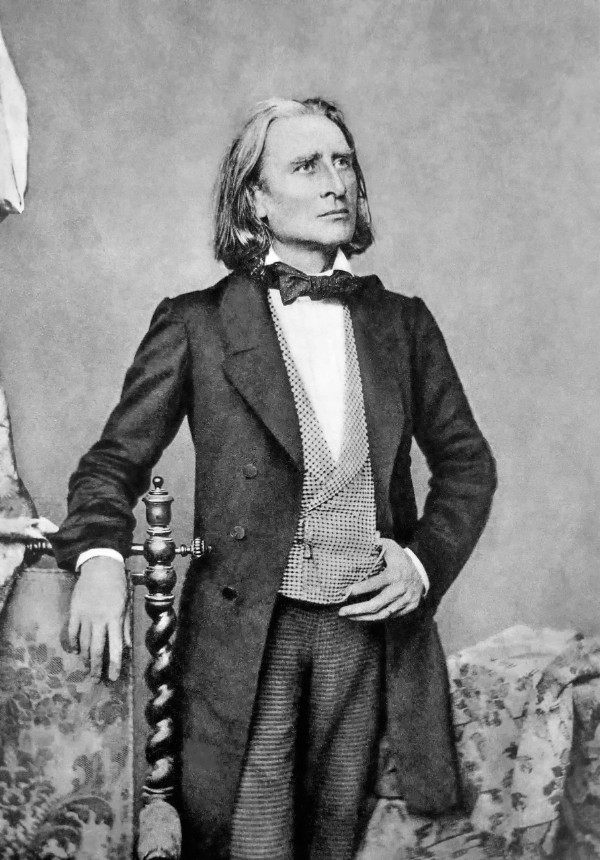
Franz Liszt
Possibly the greatest song transcription, Liszt retains Schubert’s beautiful serenade melody and surrounds it with an accompaniment which grows ever more lush as the piece progresses, thereby enhancing the melodic line. Intimate, poignant and lyrical, the piece is a great favourite amongst players and listeners, for good reason.
Franz Liszt: Schubert – Schwanengesang, S560/R245: No. 7. Standchen, “Leise flehen meine Lieder (Murray Perahia, piano)
Gluck/Sgambati – ‘Melodie’ (from Orfeo ed Euridice)
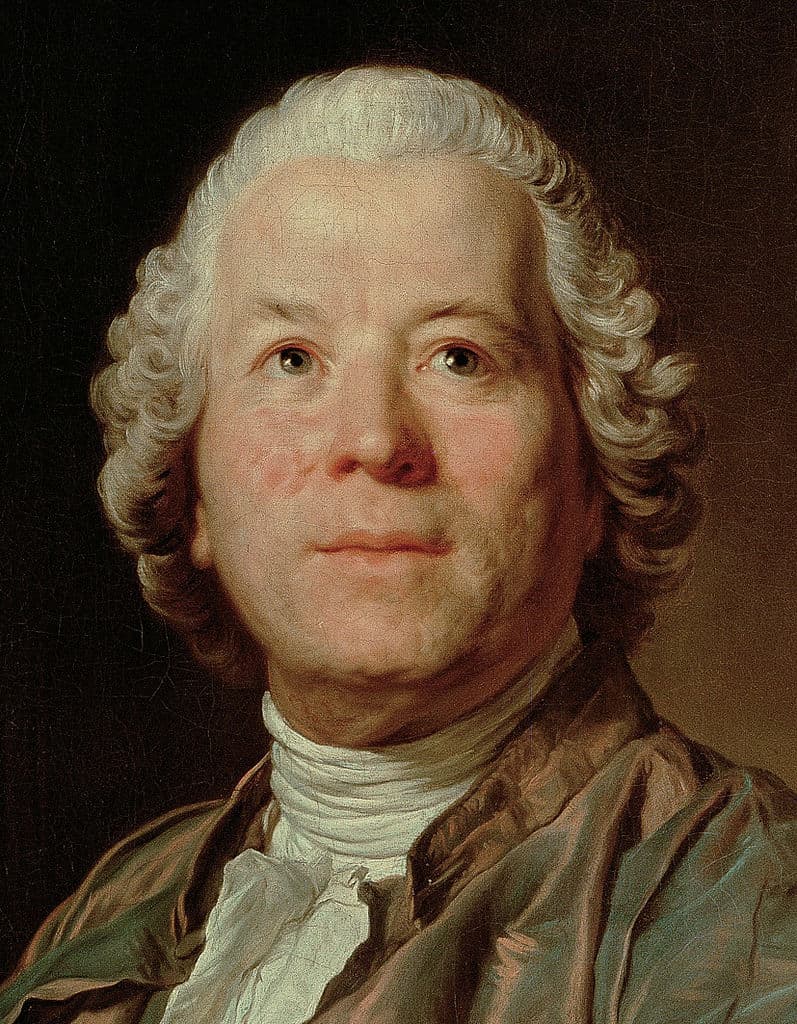
Christoph Willibald Gluck
A stunning example of how a vocal aria can become a noble piano piece. With its vocal purity and classical restraint, the simple melodic line demands beautiful legato and control, as here in this performance by Nelson Freire.
Christoph Willibald Gluck: Orfeo ed Euridice: Melodie (arr. G. Sgambati for piano) (Nelson Freire, piano)
Gershwin/Grainger – Love Walked In (from The Goldwyn Follies)
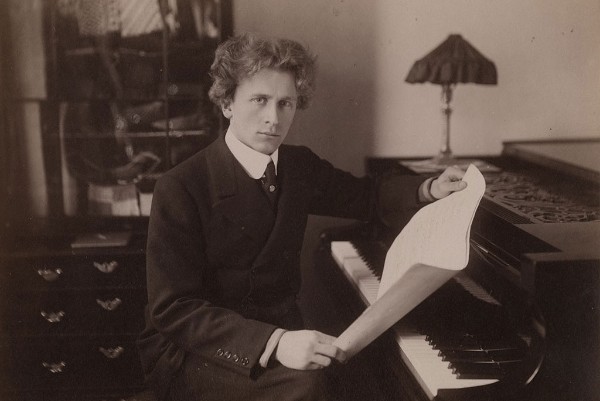
Percy Grainger
Percy Grainger, renowned for his transcriptions of English folk songs, treated Gershwin’s songs as serious compositions, and his respect for the originals is more than evident in his sensitive transcriptions. Often featuring complex harmonies and elaborate textures, Grainger’s transcriptions were intended as concert encores which pay homage to Gershwin’s genius. Here, Grainger combines Gershwin’s tender melody with advanced pianistic techniques, one of which Grainger termed ‘woggle’, a fluttering right-hand tremolo to create mesmerising, almost hallucinatory textures.
Trenet/Weissenberg – Boum!
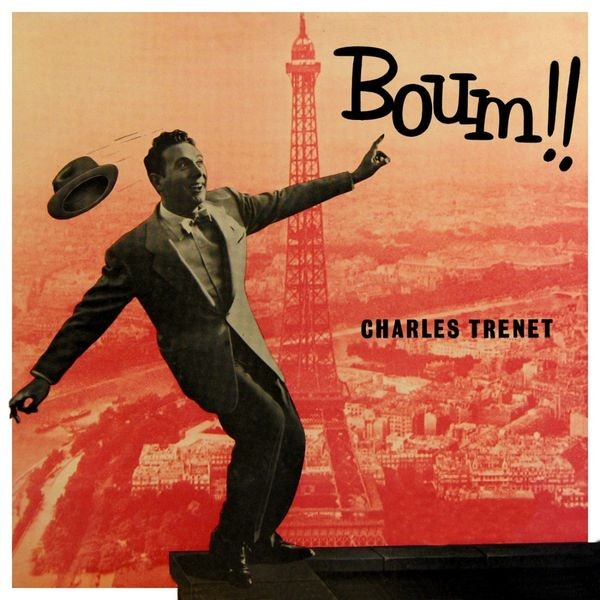
There’s an interesting back story to pianist Alexis Weissenberg’s transcriptions of Charles Trenet’s songs. Back in the 1950s, an extended play vinyl record called ‘Mr. Nobody Plays Trenet’ was released on the Lumen label, containing highly creative and witty transcriptions of some of Trenet’s songs. The identity of ‘Mr. Nobody’ was later revealed to be that of Alexis Weissenberg (1929-2012), one of the great pianists of the twentieth century. His live performances and recordings are well-documented, but his activities as a composer and arranger are less well known.
In his transcriptions, Weissenberg reveals the remarkable originality, individuality and wit of Trenet’s musical language, transforming his melodies into virtuoso miniatures, rich in unusual touches, whimsical improvisations and embellishments, and sophisticated harmonic shifts.
J.S Bach/Egon Petri – Schafe können sicher weiden (Sheep May Safely Graze)
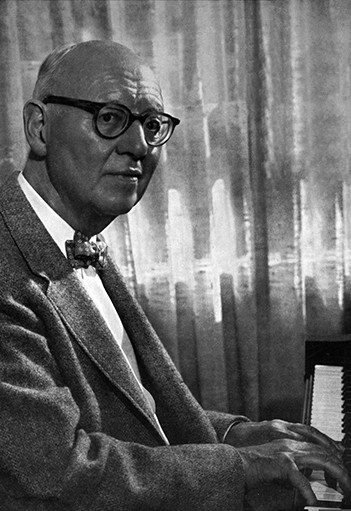
Egon Petri
This soprano aria, from the ‘Birthday Cantata’ BWV 208, has been transcribed many times, and Petri’s is one of the most beloved. Originally scored for two flutes, soprano and continuo, in Petri’s transcription, the melody rings out above a pulsing, almost hypnotic chordal accompaniment, creating a piece that is beautiful in its graceful simplicity.
For more of the best in classical music, sign up for our E-Newsletter