Two of the four works on this new album of piano quintets, played by Peter Donohoe on piano and I Musicanti (Zsolt-Tihamér Visontay, violin; Robert Smissen, viola; Ursula Smith, cello; and Leon Bosch, double bass and director) were the results of competitions.
Percy Godfrey (1859–1945) wrote his piano quintet for the Lesley Alexander chamber music competition and won it in 1900. Godfrey, from Derbyshire, studied at the Royal Academy of Music and privately with Ebenezer Prout. Although his career looked promising in the early 20th century, with symphonic works, chamber music, and works for organ and for choir, and winning a competition for a Coronation March for King Edward VII in 1902, he’s now lost to the performing stage.
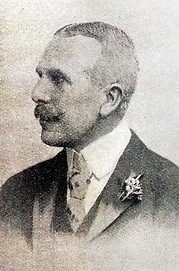
Percy Godfrey
His Piano Quintet in E flat major, Op. 16, gives a hint of what was in his music. He’s quick to explore other tonalities beyond E flat major and uses the ensemble for mood changes. He plays the voices of the string ensemble off each other, giving them distinct characters. His second movement, Scherzo (Presto, con fuoco), moves to C minor, and it’s the change at the Trio that lets us appreciate each voice in the ensemble, especially as he returns to the Scherzo ideas.
Percy Godfrey: Piano Quintet, Op. 16 – II. Presto, con fuoco
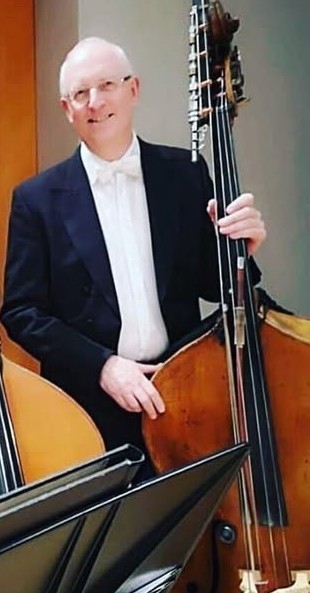
Ivor Hodgson
Ivor Hodgson (b. 1959) is not only a composer but a double bass player. He played bass in the BBC Philharmonic Orchestra for 27 years before retiring in 2019 to ‘spend more time on composition and travel’. He’s written an opera (Plague), and nine concertos (piano, accordion, clarinet, trumpet, trombone, bassoon, contra-bassoon, cello, and double bass). His piano quintet takes three of the movement names from different inns in Derbyshire: ‘I. The Quiet Woman (Earl Sterndale, Buxton); II. The Waltzing Weasel (Hayfield); III. Moonlight over Mount Famine (The Lamb Inn, Chinley Head); IV. The Oddfellows (Whitehough, Chinley)’.
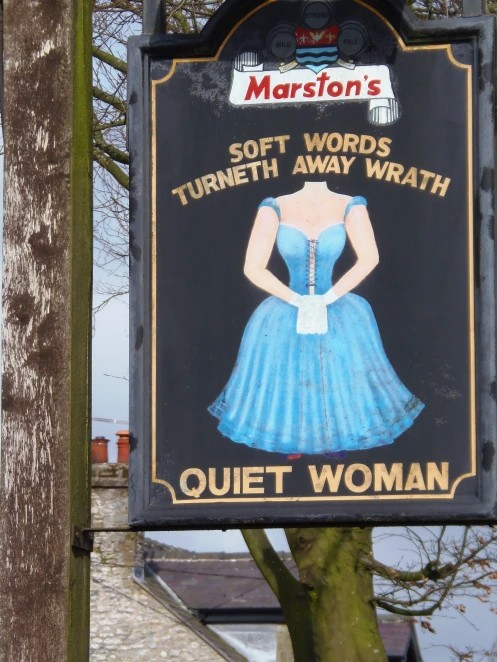
Quiet Woman (photo by Gary Tacagni)
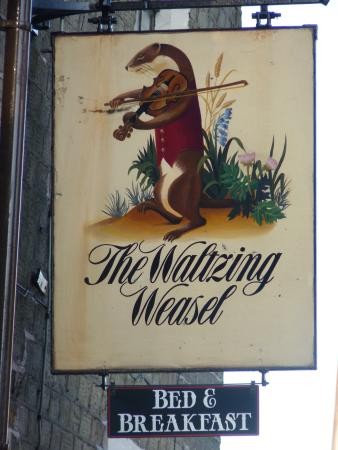
The Waltzing Weasel
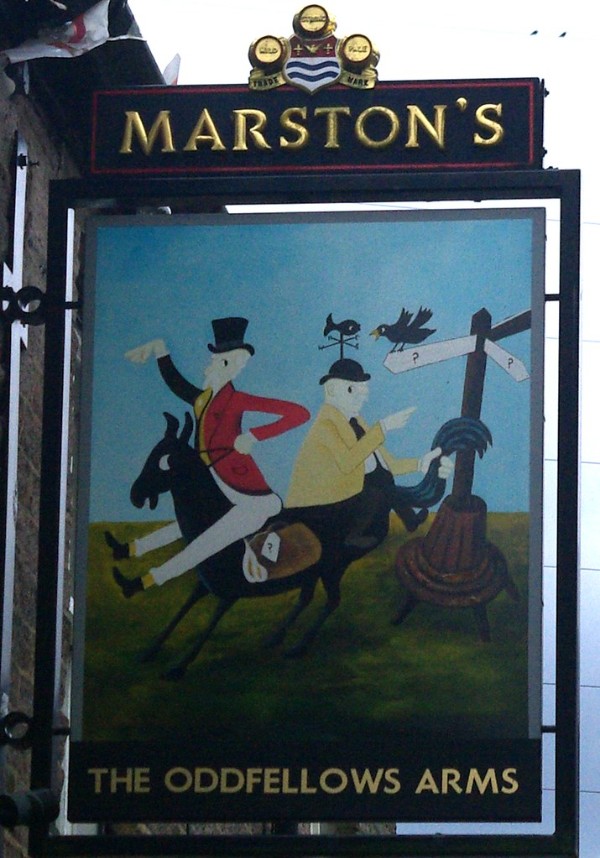
The Oddfellows Arts (photo by Adam Bruderer)
The third movement, Midnight Over Mount Famine, isn’t named after an inn but rather a cold, crisp evening in the Peak District, with the Lamb Inn providing warm shelter.
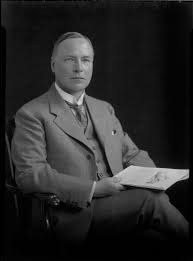
Lafayette: Richard Walthew, 1928
(National Portrait Gallery)
The other work inspired by a competition was written in response to the challenge set by wealthy philanthropist and businessman W.W. Cobbett, who sponsored a competition for chamber music. The specific requirement was that the work follow the style of Elizabethan fantasies for viols, consisting of a single movement and lasting less than 12 minutes. This financial inducement for encouraging not only chamber music but also chamber music of a certain style was influential not only during the 6 competitions he sponsored but also further in the music field.
Although it may not have been written for one of Cobbett’s competitions, Richard Walthew (1872–1951) wrote a work he entitled Fantasy Quintet in 1912 and dedicated it to Cobbett. He was commissioned by the Worshipful Company of Musicians. Walthew uses the idea of a set of continuous ‘variation-fantasies’, begun in the strings and then answered with a descending line from the piano. The Elizabethan format of Statement—Counterstatement—Related ‘New’ Idea drives this work. Its recurring sets of statements and restatements (not variations) drive his work in a very old-fashioned way.
The final work is, in many ways, a surprise. John McCabe (1939–2015) is best known, perhaps, as a performer, being the first to record all of Haydn’s piano sonatas. However, he was also a composer, and one of his compositions for television was the theme for Sam, a drama covering 30 years in the life of a working-class family in the north of England. The show was very popular and ran for 39 episodes (1973–1975).
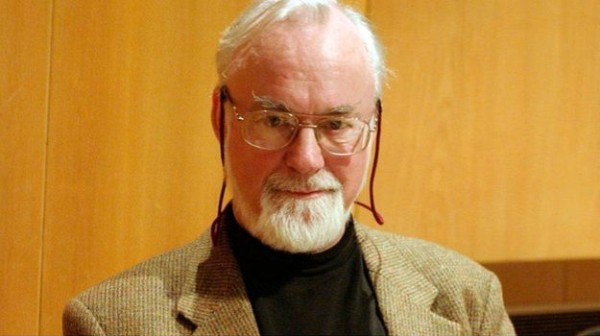
John McCabe
The Schubert Ensemble commissioned the Sam Variations in 1989 as a work to be coupled with Schubert’s Trout Quintet. McCabe resuscitated his theme from the television show, however, as the composer notes, ‘The theme itself is never heard directly – the nearest we get to it is in the rather enigmatic coda… But all of the material is taken from the theme and transformed in a variation-like way…’. After the premiere, the score was returned to the composer, who wished to make further changes, but it was lost in the composer’s house until discovered by Leon Bosch (double-bassist and conductor), who found it again on this recording.
The music on this album, ranging from 1900 prize-winners to modern Elizabethan fantasy sets and a variation set on a television drama theme, couldn’t be more different in concept and source music. Yet, as a set of modern British piano quintets, the whole is extremely satisfactory. The works go together well, and we are taken over a comprehensive survey of not only modern piano quintet music but also modern music-making.
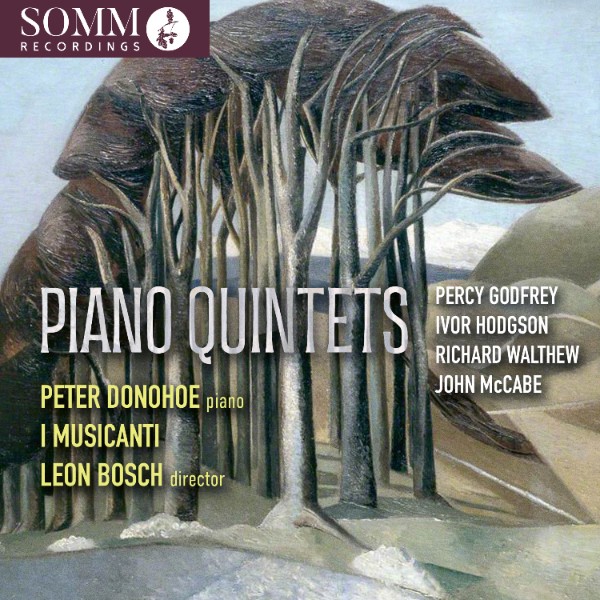
Piano Quintets: Percy Godfrey (1859-–1945) • Ivor Hodgson (b. 1959) • Richard Walthew (1872–1951) • John McCabe (1939–2015)
Peter Donohoe (Piano), I Musicanti, Leon Bosch (Double Bass & Director)
SOMM Recordings SOMMCD 0707
Official Website
For more of the best in classical music, sign up for our E-Newsletter