The superb German Romantic composer, violinist, teacher, and conductor Max Bruch (1838 – 1920) established his reputation with his Violin Concerto No. 1 in G minor. The concerto, now one of the most beloved works in the violin repertoire, did not make Bruch famous or wealthy overnight.
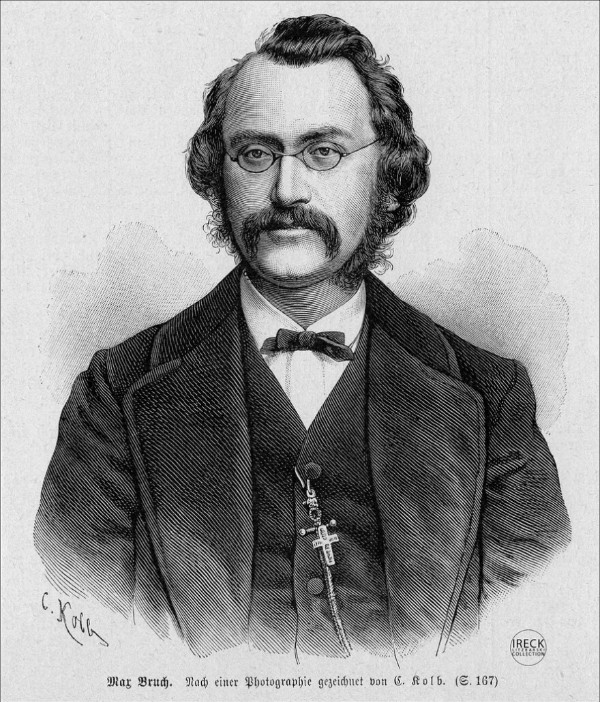
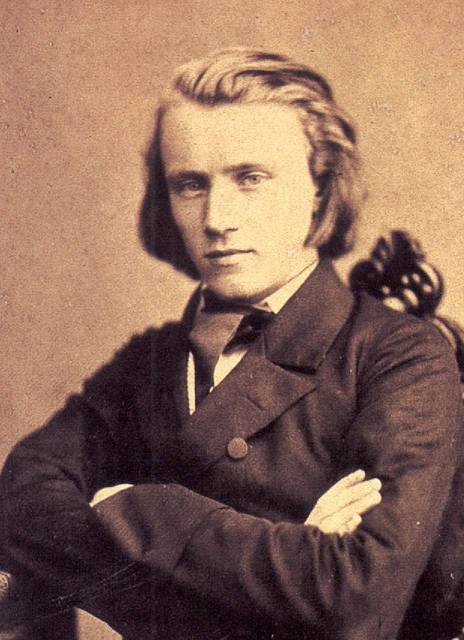
Max Bruch
Its initial reception was positive, particularly after revisions and a second premiere in 1868, with violinist Joseph Joachim’s advocacy playing a key role in its growing popularity. However, that success didn’t translate into wealth.
For much of his life, Bruch faced financial struggles, earning a modest income from teaching, conducting, and composing. In fact, financial pressure initially forced him to take up various appointments throughout Germany.
Only once in his life did he spend any time away from his native land. Between the years 1880 and 1883, he was appointed Music Director to the Liverpool Philharmonic Society, and to commemorate the anniversary of his death on 2 October 1920, let’s explore his Merseyside Sojourn and the resultant musical creations.
Max Bruch: Violin Concerto No. 1 in G minor, Op. 26
From the Rhineland to Merseyside
Max Bruch arrived on English soil in the autumn of 1880, not as a conquering hero, but as a pragmatic artist seeking stability in a career marked by restless activity. Liverpool, that gritty gateway to the New World, was a far cry from the Rhineland hills of his youth, yet it became, for three tumultuous seasons, the unlikely crucible for some of Bruch’s most evocative works.
Bruch had previously guest-conducted stints with the Liverpool Philharmonic, impressing the society’s committee and leading to his appointment as successor to the venerable Julius Benedict. The post promised a steady salary of £500 annually, plus travel allowances, and a platform to premiere his works to an Anglo-American audience hungry for Continental sophistication.
Liverpool in the 1880s was a city of stark contrasts, and the Philharmonic Society, founded in 1840, was a beacon of culture amid the smoke-belching factories. Its concerts at St. George’s Hall became veritable events, and Bruch arrived amid much fanfare. Local papers hailed him as a “master of the baton,” eager for his interpretations of Beethoven and Mendelssohn.
Max Bruch: Piano Quintet in G minor, “Allegro molto moderato”
Sefton Park Serenade
He settled in the leafy suburb of Sefton Park, a verdant enclave of Victorian villas that offered respite from the city’s grime. There, in January 1881, he married Clara Tuczek, the Berlin contralto whose voice had enchanted him during rehearsals, and their daughter Margaretha arrived in 1882.
Family life in Sefton Park was idyllic, yet Bruch’s letters reveal a man torn between affection for England’s “green and pleasant land” and frustration with its musical mores. His professional tenure was quickly turning into a whirlwind of ambition and discord.
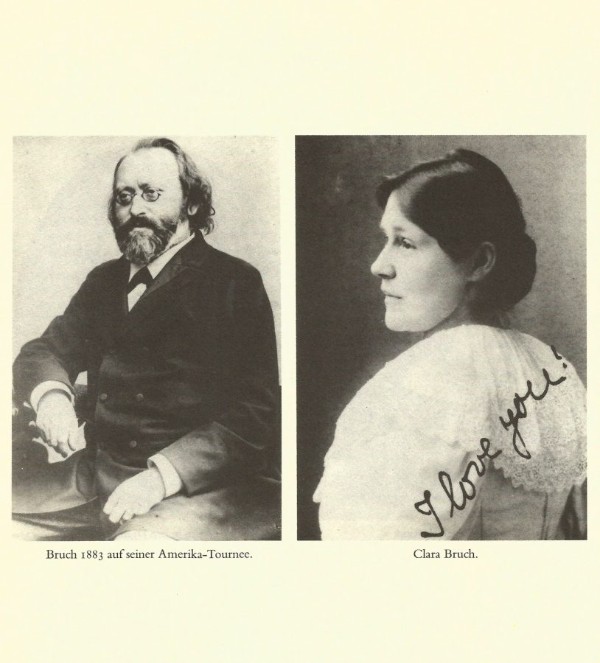
Max and Clara Bruch
He programmed ambitious cycles, Bach’s St. Matthew Passion, Handel’s Messiah, and his own Odysseus, originally premiered in 1878 but revised for Liverpool audiences. The orchestra, a mix of professionals and enthusiasts, tested his patience. In his correspondence, he grumbled about their “lax standards” and “imprecise intonation.”
The choir also faltered under his exacting demands, leading to clashes with the committee. Yet, triumphs abounded as he unveiled his Scottish Fantasy for violin and orchestra in 1880. This rhapsodic tapestry of Highland airs, woven with his own melodic flair, was dedicated to Pablo de Sarasate and premiered with Joseph Joachim as soloist on 22 February 1881.
Max Bruch: Scottish Fantasy, Op. 48
Sacred Melodies in Liverpool
Even more poignantly, Bruch completed his Kol Nidrei, Op. 47 in Liverpool. This Adagio for cello and orchestra was drawn from Hebrew melodies, but Bruch never presumed to write Jewish music. He had come to know both melodies in Berlin, where, from 1878 to 1880, he served as the music director of the Stern Choral Society.
For his composition, he drew on two Jewish sources. An old Hebrew song of atonement traditionally sung on the eve of Yom Kippur, and a magnificent song, “O weep for those who wept on Babel’s stream,” from Byron’s Hebrew Melodies.
Evoking Yom Kippur’s solemn vows, Bruch’s empathy infused the piece with a haunting universality. As he writes, “Even though I am a Protestant, as an artist I deeply felt the outstanding beauty of these melodies and therefore I gladly spread them through my arrangement.”
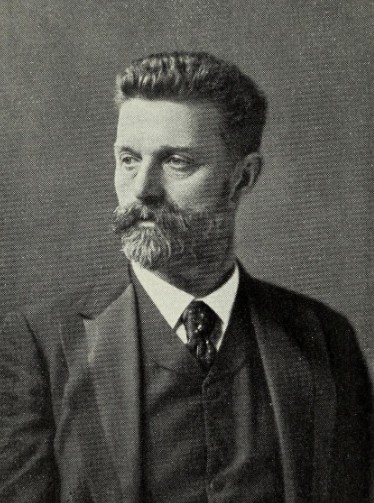
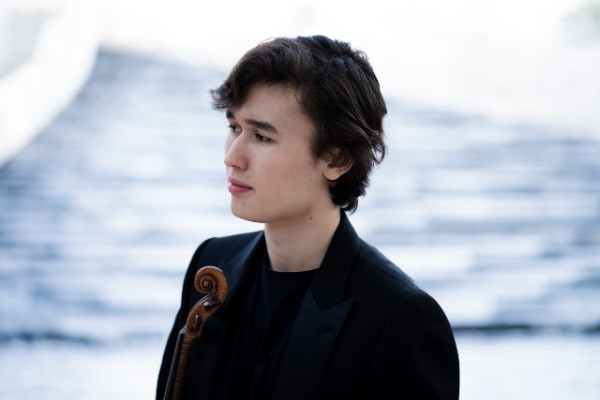
Robert Hausmann
Bruch’s other motivation for Kol Nidrei arose from the insistence of Robert Hausmann, cellist of the Joachim Quartet. Hausmann bemoaned the fact that Bruch had tailored a major work for Joachim, and he now wanted a work for his own instrument. Kol Nidrei is dedicated to Hausmann, who premiered it in 1881 in Liverpool.
Max Bruch: Kol Nidrei, Op. 47
Orchestral Strains and Chamber Beginnings
These orchestral gems, born and finished among Liverpool’s multicultural pulse, solidified Bruch’s reputation, yet they masked deeper tensions. Anti-German sentiments simmered, and by 1883, exhausted by committee squabbles and orchestral mutinies, Bruch resigned quietly.
His departure was scarcely noted in the press, but it was in this cauldron of inspiration and irritation that Bruch turned to chamber music. Enter Andrew G. Kurtz (1825–1890), a German émigré born in Liverpool to parents who had fled the economic and wartime hardships of Reutlingen in the late 18th century.
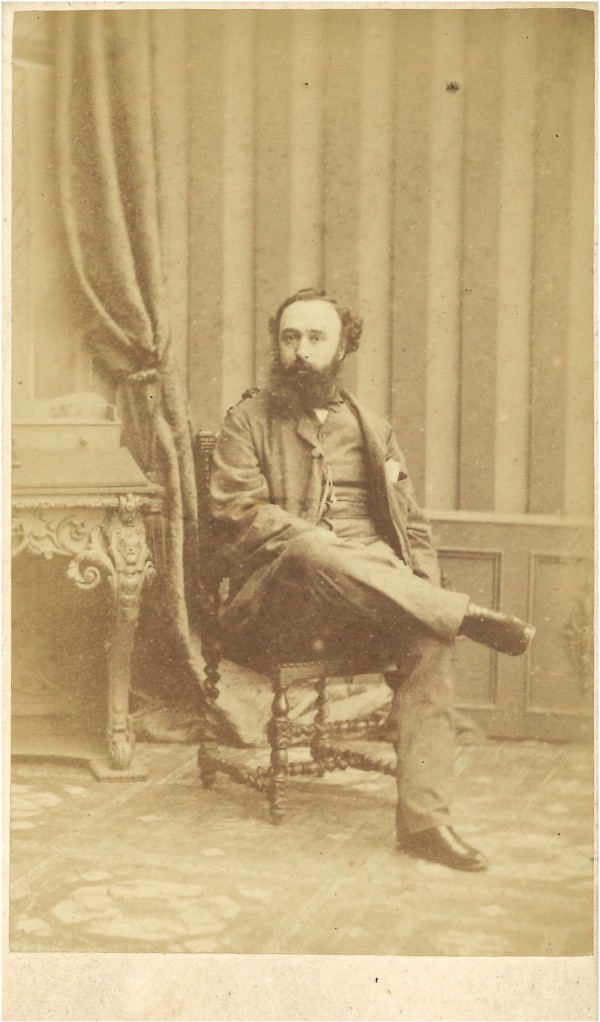
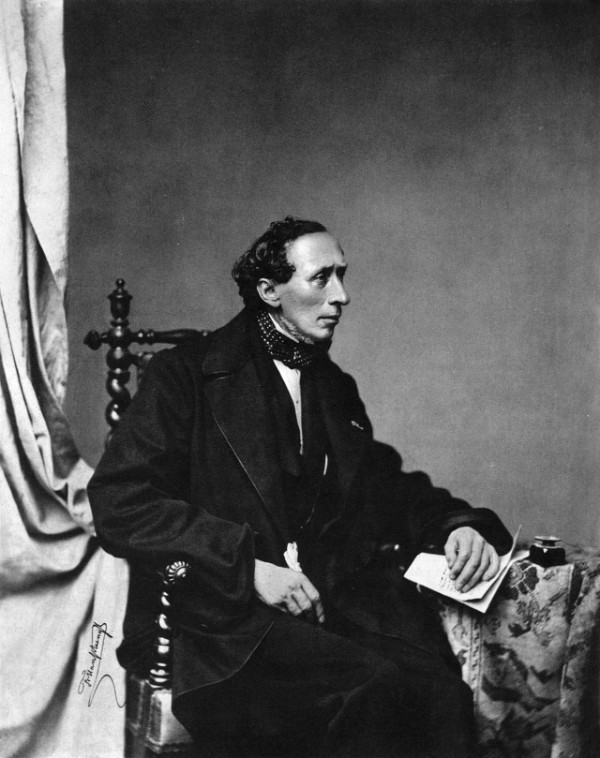
Andrew G. Kurtz
His father, arriving in England around 1795, eventually purchased the Sutton Alkali Works, and the young Kurtz inherited the chemical factory at age 21. He transformed the business into a thriving enterprise that fuelled his passions beyond business.
Andrew Kurtz, residing in the elegant Grove House on Penny Lane in Wavertree, a grand Victorian villa that would later evolve into the site now known as Dovedale Towers.
Kurtz’s home was far more than a mere residence; it was a vibrant cultural nexus where the hum of amateur music-making intertwined with the display of artistic treasures.
Max Bruch: Piano Quintet in G Minor – II. Adagio (Ulf Hoelscher Ensemble, Ensemble)
Art and Music at Penny Lane
As a skilled amateur pianist, Kurtz curated an enviable collection of modern paintings and watercolours by contemporary British and European masters, rivalling the holdings of any provincial gallery. This trove was catalogued and auctioned posthumously by Christie’s in May 1891, drawing crowds eager to acquire works that had once adorned his salon’s walls.
Grove House’s “quartet evenings” were legendary among Liverpool’s music-loving intelligentsia, blending the rigour of classical repertoire with the earthy spontaneity of folk tunes. Haydn and Beethoven mingled happily with the pastoral strains of the British countryside.
Kurtz was a member of the Philharmonic’s committee for three decades and its chair for much of that time. So he commissioned Bruch in 1881 to compose a piano quintet tailored for his ensemble; Kurtz at the keyboard, supported by a regular string quartet of fellow amateurs.
The work, the Piano Quintet in G minor (Op. posth.), began in Liverpool but languished after his 1883 departure. Impatient letters from the group prodded the procrastinating composer and by 1886 he dispatched a partial manuscript of the first three movements. Bruch delivered the Finale only in 1888.
Max Bruch: Piano Quintet in G Minor – III. Scherzo (Ulf Hoelscher Ensemble, Ensemble)
Liverpool’s Lyrical Gem
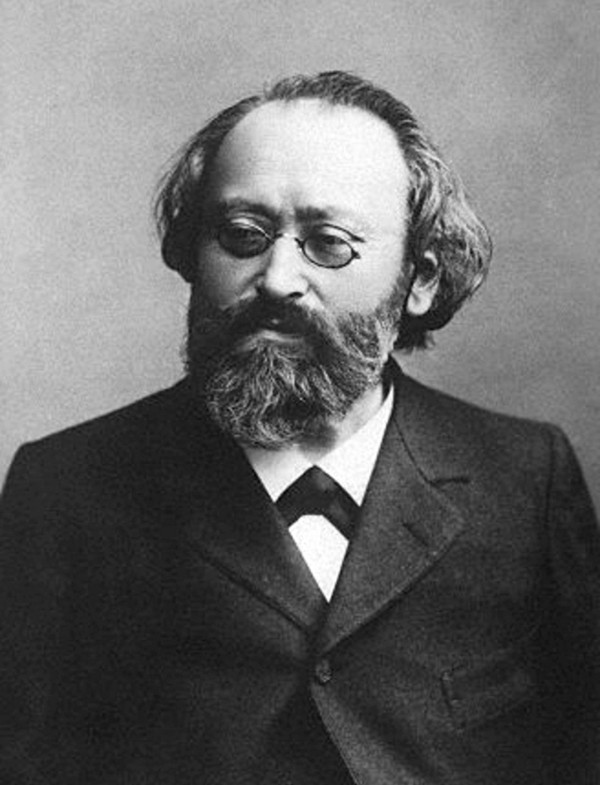
Max Bruch
The resulting piece, premiered in Liverpool shortly thereafter, is clearly tailored for semi-professionals. The string parts are lyrical yet undemanding, the piano prominent but not domineering. Nevertheless, Bruch infused the work with the same melodic generosity that graces his concertos.
The quintet’s four movements unfold like chapters in a Romantic novel, each brimming with Bruch’s signature blend of passion and poise. As Bruch later reflected, “it was written for amateurs… a fair composition.”
What elevates the piano quintet beyond a mere commission is its encapsulation of Bruch’s Liverpool essence, a decided fusion of German rigour with English eclecticism. In a city of immigrants, where Scottish reels danced alongside Hebrew chants in Bruch’s orchestral output, the quintet absorbs folkish inflections.
The scholar Donald Tovey praised Bruch’s choral mastery, but in this quintet, “his command of ensemble breathes.” The strings blend like voices in a quartet, the piano serving as a narrative voice that threads the tale.
Liverpool’s Lasting Echoes
Bruch’s Liverpool interlude, though brief, rippled through his oeuvre. The quintet revived his chamber roots, paving the way for late works like the Eight Pieces for Clarinet, Viola, and Piano Op. 83. Bruch never returned to Liverpool, and by the time of his death in 1920, he was overshadowed by Wagnerian thunder and Schoenbergian dissonance.
Bruch was eventually dismissed as a “minor master,” his 200 works eclipsed by the great G-minor Concerto. Anti-German sentiments during World War I further dimmed his acceptance in Britain and America.
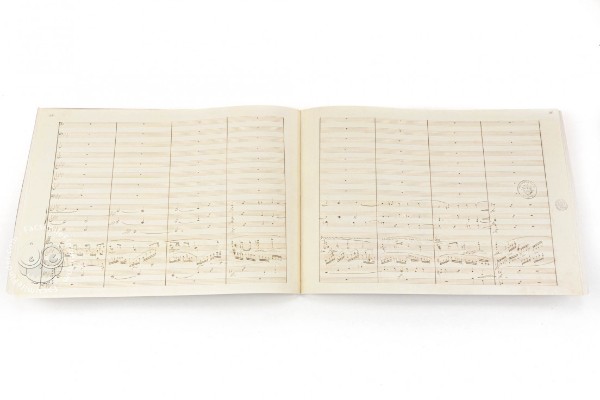
The Piano Quintet initially remained unpublished, but its manuscript survived in the Staatsbibliothek in Berlin. Now available in score, this delightful composition embodies both the warmth and melancholy of his Liverpool years.
For more of the best in classical music, sign up for our E-Newsletter