Wolfgang Amadeus Mozart is universally celebrated for his melodic genius, structural brilliance, and emotional appeal. His music has captivated audiences for centuries with its clarity, balance, and profound expressiveness.
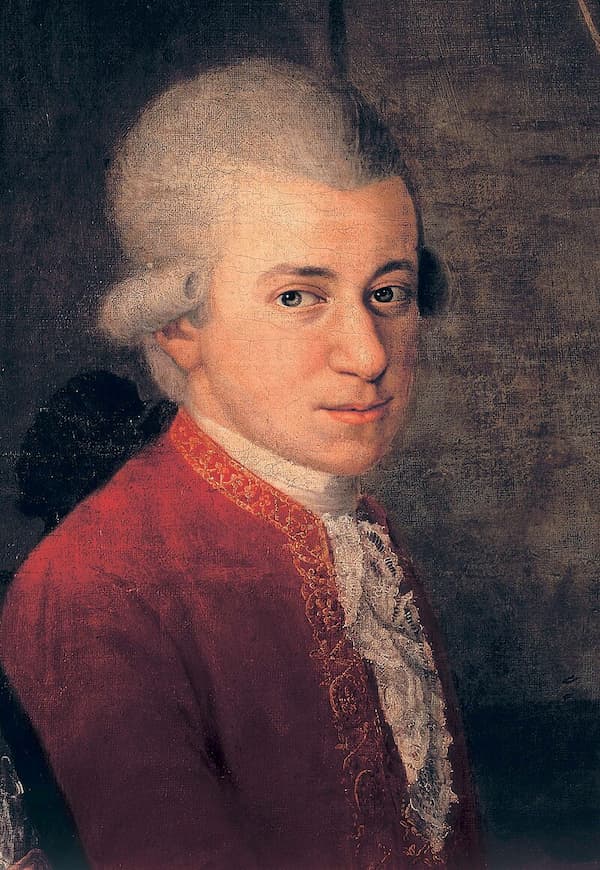
Croce: Mozart Family Portait (detail), 1781
For those who cherish Mozart’s music, the artistry of pianist Mitsuko Uchida offers an extraordinary lens through which to experience his works. Renowned for her nuanced and insightful interpretations, Uchida has become one of the foremost Mozart interpreters of our time.
Uchida’s affinity for Mozart is evident in her extensive discography and live performances, particularly her recordings of Mozart’s piano concertos and sonatas. Born in Japan and trained in Vienna, Uchida brings a cosmopolitan perspective to her interpretations, blending technical precision with a profound understanding of Mozart’s emotional landscape.
Mitsuko Uchida/Riccardo Muti perform Mozart: Piano Concerto No. 25, K. 503
Duality and Dialogue
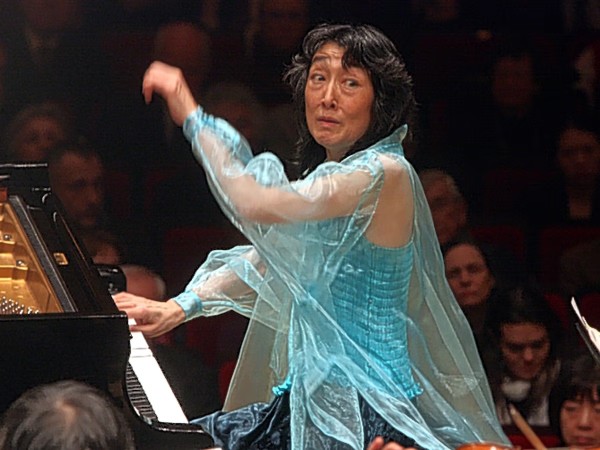
Mitsuko Uchida
Uchida’s approach resonates with Mozart’s own duality. He was a composer who could craft music of crystalline clarity while embedding it with layers of emotional complexity. For listeners who admire Mozart’s ability to balance form and feeling, Uchida’s performances offer a compelling realisation of this ideal.
One of Uchida’s defining characteristics as a Mozart interpreter is her ability to illuminate the conversational quality of his music. Particularly in the Mozart concertos, Uchida excels in highlighting the dedicated dialogue, treating the piano not as a dominant voice but as a partner in a dynamic exchange.
Mozart’s music demands a delicate balance between technical virtuosity and emotional expressiveness, a balance that Uchida achieves with remarkable consistency. Her technical command is impeccable, allowing her to execute the music with astounding clarity. Yet, what sets her apart is her ability to infuse these technical feats with a deep emotional resonance.
Wolfgang Amadeus Mozart: Piano Concerto No. 27 in B-Flat Major, Op. 17, K. 595 – III. Allegro (Mitsuko Uchida, piano; Cleveland Orchestra; Mitsuko Uchida, cond.)
Structural Elegance and Emotional Depth
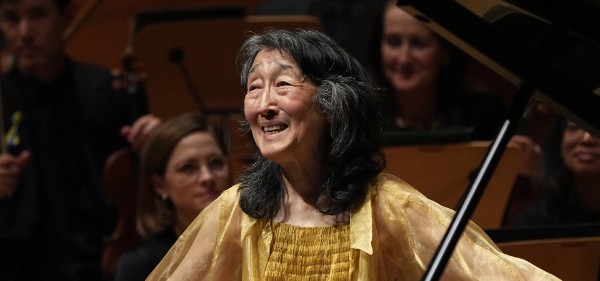
Mitsuko Uchida performing with the Mahler Chamber Orchestra
Uchida’s attention to detail also extends to her use of dynamics and articulation, which are critical in Mozart’s music. Mozart’s scores are filled with precise markings that guide the performer in shaping the music’s emotional arc. Uchida honours these markings with meticulous care, but she also brings her own interpretive voice, allowing the music to feel fresh and alive.
Mozart’s music is often praised for its structural perfection, with each phrase and section meticulously crafted to create a sense of balance and inevitability. Uchida’s interpretations reflect a deep understanding of this architectural clarity. She approaches Mozart’s works with a sense of proportion, ensuring that each musical idea is given its due weight within the larger structure.
Her pacing is unhurried yet purposeful, allowing listeners to appreciate the elegance of Mozart’s form without losing sight of its emotional undercurrents. This structural clarity resonates with Mozart fans who appreciate the composer’s ability to create music that is both intellectually satisfying and emotionally engaging.
Mitsuko Uchida plays Mozart: Piano Sonata in C Major, K. 545 “Andante”
Intimate and Universal
One of the reasons Mozart’s music continues to resonate with audiences is its sense of intimacy. Whether in the tender slow movements of his piano concertos or the introspective passages of his sonatas, Mozart’s music often feels like a private conversation between the composer and the listener. Uchida’s performances capture this intimacy with remarkable sensitivity, as her light yet expressive touch allows her to convey the vulnerability and humanity at the heart of Mozart’s music.
For Mozart lovers, Mitsuko Uchida’s performances offer a perfect marriage of technical mastery, emotional depth, and interpretive insight. Her ability to highlight the conversational, operatic quality of Mozart’s music, her sensitivity to its emotional nuances, and her respect for its structural clarity make her an ideal interpreter of his works.
Uchida’s performances resonate with the qualities that make Mozart’s music so beloved, its balance of intellect and emotion, its clarity and complexity, and its ability to speak to both the heart and the mind. For those who have yet to discover her artistry, Uchida’s performances are an invitation to experience Mozart’s music in a way that feels both revelatory and deeply familiar.
Mitsuko Uchida plays Mozart: Piano Sonata in D Major, K. 576
Passion and Form
If you are captivated by Mozart’s ability to weave beauty, wit, and emotion into his music, Mitsuko Uchida’s interpretations will likely resonate deeply with you. Her performances capture the essence of Mozart’s genius, from the sparkling clarity of his melodies to the profound humanity of his slow movements.
Through her technical precision, emotional sensitivity, and structural insight, Uchida brings Mozart’s music to life in a way that feels both authentic and deeply personal. For Mozart lovers, her recordings and live performances offer a chance to rediscover the composer’s works through the lens of one of his greatest interpreters. Whether you are a lifelong fan or a newcomer to Mozart’s music, Uchida’s artistry is sure to enrich your appreciation of this timeless composer.
For more of the best in classical music, sign up for our E-Newsletter