The Hermes Experiment, a British contemporary music ensemble, has a wonderful way of using the strengths of their ensemble, which is made up of a unique combination of soprano, harp, clarinet, and double bass. Héloïse Werner (soprano), Anne Denholm-Blair (harp), Oliver Pashley (clarinet), and Marianne Schofield (double bass) know their sounds so well that one of the most enjoyable parts of their performances is when one instrumental sound slides to another, almost without you being aware of the change.
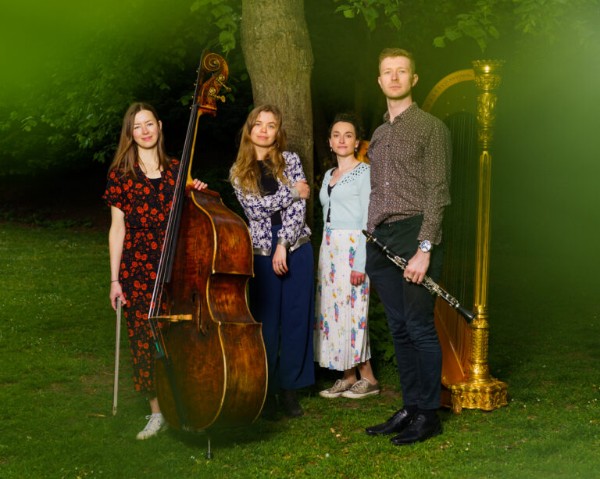
The Hermes Experiment (photo by Raphaël Neal)
The match of the clarinet and the voice isn’t surprising, but the way that this ensemble makes it happen between other voices, particularly in works written by the ensemble themselves, is a revelation in sound. The opening work, Islands, is a particularly good example of this melding of voices and sounds.
The voice grows out of the plucked notes of the double bass (bassist Marianne Schofield is the composer), and held notes in the voice are taken over by the clarinet. Far below, the bassist makes whale-like noises sliding down the strings and then melds its sound with that of the harp. In a song about seeking connection, in a world where we are kept ever more apart by our technologies, the connection in the music gives a glimmer of hope. It is our memories that will sustain us and, by extension, our music as well.
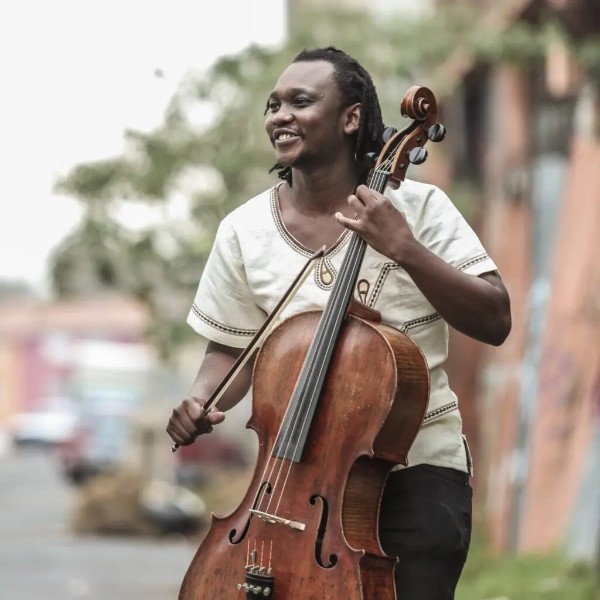
Abel Selaocoe
South African composer Abel Selaocoe’s Buhle Bendalo (Natural Beauty) takes a text in Xhosa and makes a wonderfully rhythmic counterpoint, while the text gives us the message that death can only serve as an urgent reminder to live.
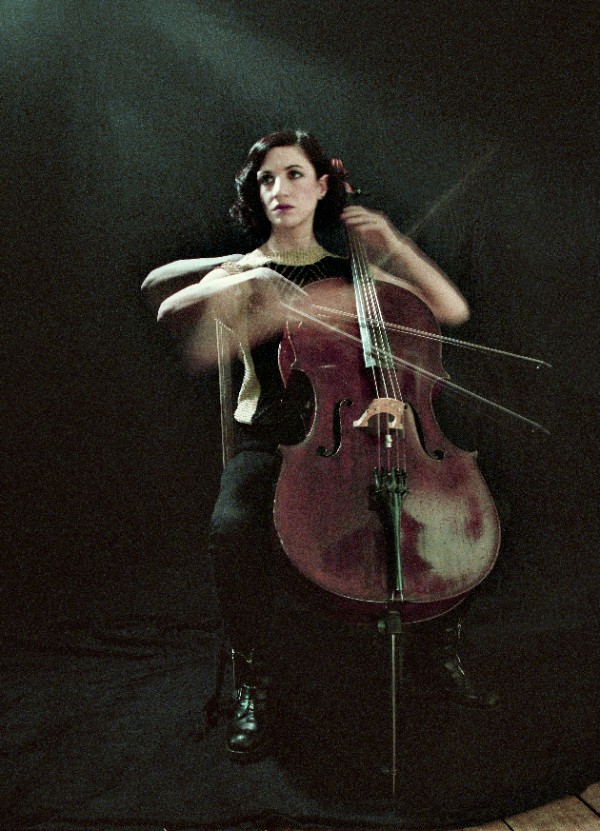
Laura Moody
We are so used to the setting of Rilke songs in a Germanic style that to hear this setting of ‘An die Musik’ by Laura Moody (b. 1978) takes us to a distinctly different time and place. An die Musik starts with music being called the ‘breath of statues, maybe’.
Ein Gott vermags (from the Sonnets of Orpheus) uses extended vocal technique and extended techniques in the other instruments to convey the loss of breath at the end of the poem (A breath for nothing. A breath in the god. A wind.).
The final poem, Rose, a single sentence, compares the petals of a rose to closed eyelids. Sleep, death, and a final breath. It’s not coincidental that Rose was the epitaph on Rilke’s grave. The composer said that one of her inspirations for Rose was Neil Bromhall’s time-lapse films of the life of a rose. Even as the rose blooms and dies, life continues on.
Rose flower opening time lapse
Clarinettist Oliver Pashley’s But Still I Breathe transforms the singer into the voice of the earth, calmly regarding the changing world around her while remaining steady at her core. As it closes, ‘I am burned, I am broken, but I still breathe’ is that voice of patience. It’s also key to so many of the works on this album. Climate change affects more than just the weather. Every living thing is affected by it. In the voice of Earth, the song presents us with the ultimate victim, who observes but cannot act.
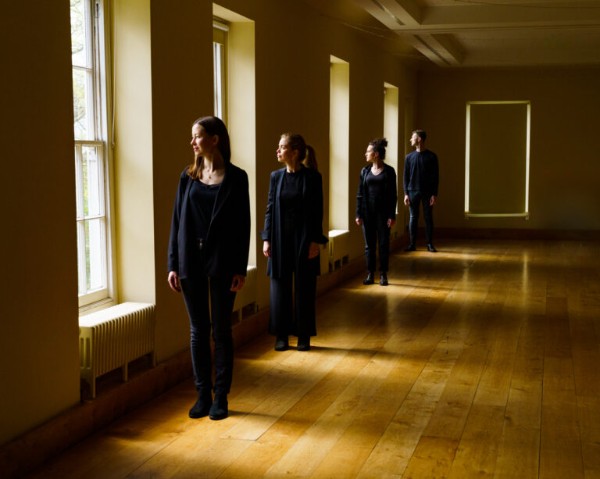
The Hermes Experiment (photo by Raphaël Neal)
The rest of the album covers a wide range of music, from a bird-song aria by Jacquet de La Guerre from the late 17th century to Cécile Chaminade’s ode to the impassive moon in La lune paresseuse and to pieces written specifically for the ensemble.
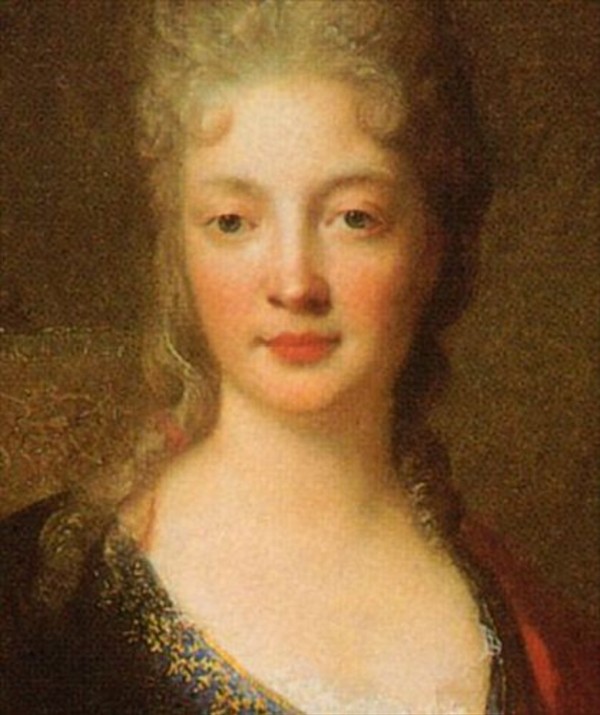
Jacquet de La Guerre
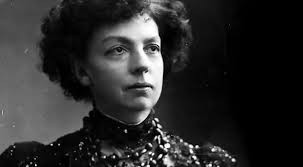
Cécile Chaminade
Unfortunately, Les rossignols, the aria from Jacquet de La Guerre’s 1694 opera Céphale et Procris, is sung too slowly to be effective as the ensemble plays with bird-song effects – it’s a song about how nightingales sing of love and how we who hear those sweet sounds should follow them, but the slow tempo turns it into a dirge of love rather than a celebration of love, and forgets that this poetry was made to be sung, not intoned.
As a singer, Héloïse Werner is given an enormous role to play throughout these works. She’s a model of a modern technical singer and also brings out a powerfully beautiful lyrical quality in so many of the works.
In her own composition, Thunder Clears, she takes a poem by Ali Lewis and uses the ensemble to take an earlier work for solo voice and add in sounds that augment the words: the clarinet is a distant echo of her voice, the harp provides wind effects, and the double bass plays high-pitched glissandi to represent the rain. The ensemble is directed to be ‘’always hushed … blurry, quietly active under the surface but never rushed’ and it feels like it has been improvised following the sound of the voice. It’s a lovely evocation of nature at her strength, but with the reminder that it’s not all sound a furry. Sometimes a breeze can stir us more than a storm.
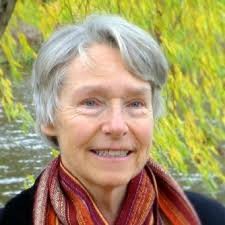
Nicola LeFanu
Death as an actor comes through in Christina Rossetti’s poem The Bourne, here set by Nicola LeFanu. What lies under the grass? Only death and decay.
Hannah Peel’s The Almond Tree is also a song about death, with its repeated request ‘Bury me under the almond tree | If anything should happen to me’, yet with its upbeat tempo, we’re in sarcasm land.
The album closes with Errollyn Wallen’s Tree. Here, in a new arrangement by Héloïse Werner, the rooted tree of the double bass is countered by free improvisational lines in the clarinet and harp. The singer questions her position vis-à-vis trees – do they own me? Does the tree own the moon? Can the tree’s leaves sing? It’s a very interesting arrangement that brings out the best in the music and the ensemble.
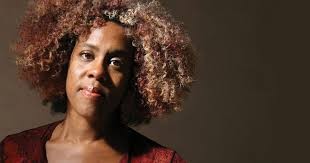
Errollyn Wallen
It’s difficult to quantify The Hermes Experiment. It’s an unusual ensemble of voice, clarinet, double bass, and harp, and they have been able to maximise the effect of the four instruments to bring in a sound world that encompasses so much more. They are a beautiful example of emergence, where the whole is greater than the sum of its parts. No one instrument is alone in its sound world when there are the ensemble’s imaginative combinations and technical constructions to make a new world around it. The Hermes Experiment has always been an ensemble to watch, and their latest recording just deepens that emphasis.
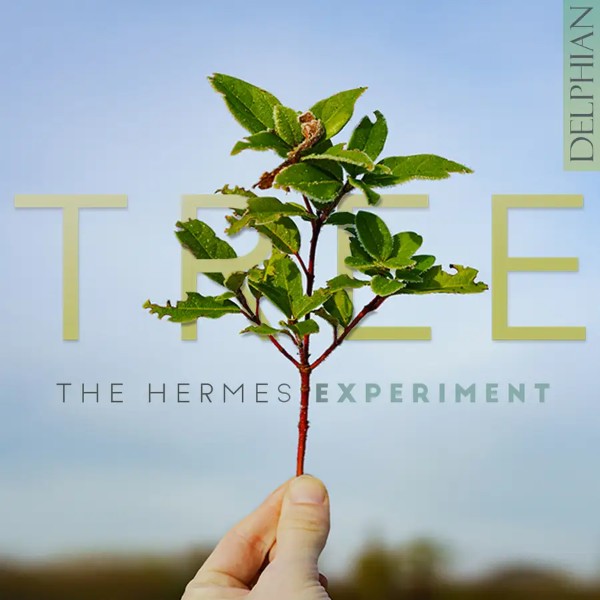
The Hermes Experiment: Héloïse Werner (soprano), Anne Denholm-Blair (harp), Oliver Pashley (clarinet), and Marianne Schofield (double bass)
Delphian Records DCD34358
Release date: 17 October 2025
The Hermes Experiment
For more of the best in classical music, sign up for our E-Newsletter