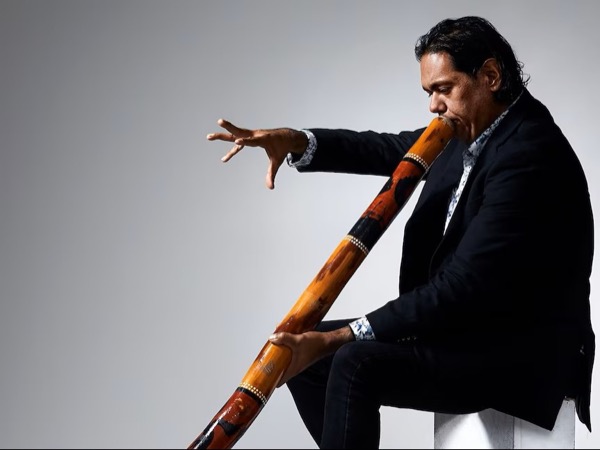
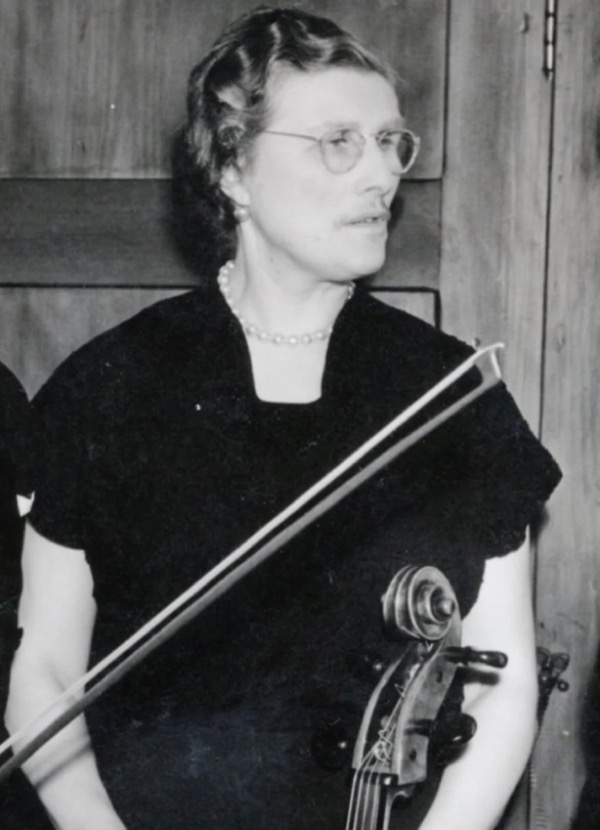
I recently discovered Stockhausen’s text-notated collections Aus den sieben Tagen — a wonderfully inventive approach to rethinking improvised music. To Stockhausen, what we commonly call improvisation is never entirely free; it remains tied to traditions and inherited reflexes, whether from Western classical practice or North American jazz. For this reason, he preferred the term “intuitive music” rather than improvised music — a subtle but important distinction.
Stockhausen: Aus den sieben Tagen (Prague 2022)
Often described as a pioneer — if not the father — of electronic music, Stockhausen was as influential as he was controversial. His impact stretches across contemporary classical, jazz and even popular music. A student of Messiaen and a central figure of the Darmstadt School, he expanded serialism by incorporating elements of chance, or aleatory techniques, and developed groundbreaking ideas about spatialisation — the physical placement of sound in performance. Decades later, his theories continue to be studied, debated and reinterpreted.
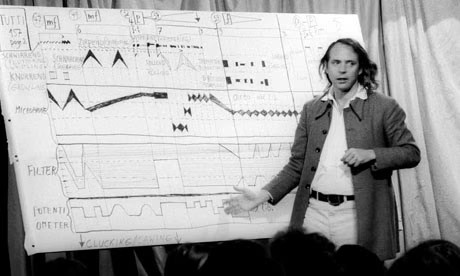
Karlheinz Stockhausen © i.guim.co.uk
Stockhausen’s intuitive music belongs to a broader family of process-based practices. Like improvisation, it unfolds in the moment, yet it is guided by verbal or graphic instructions rather than traditional notation. These short texts — sometimes poetic, sometimes enigmatic — act as catalysts. Performers are asked to “play a sound with the certainty that you have an infinite amount of time,” or to “vibrate in the rhythm of the universe.” The emphasis lies not on technical display, but on awareness and collective listening.
While intuitive music may resemble free improvisation on the surface, it places particular importance on the group dynamic and on a meditative quality of attention. It does not claim spirituality outright, nor does it surrender entirely to indeterminacy. Instead, it seeks a heightened state of presence.
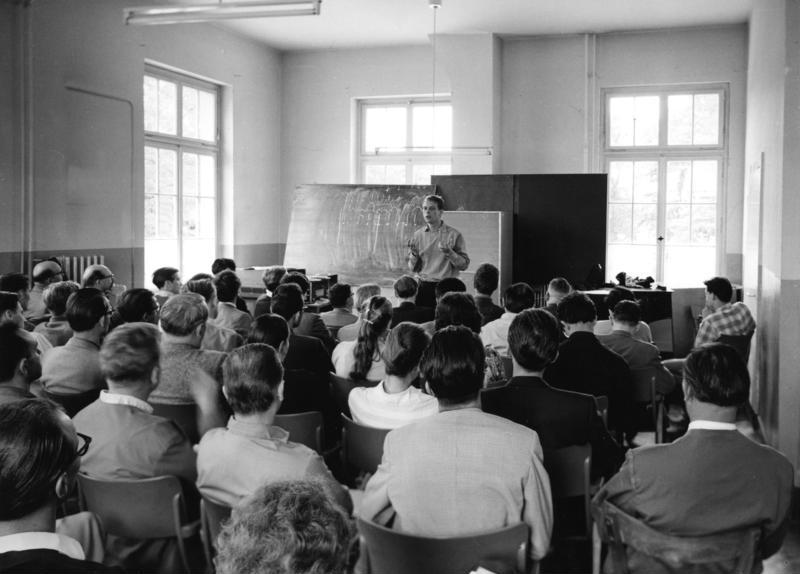
July 1957, 12th International Vacation Courses for New Music, Seminar: Karlheinz Stockhausen
This approach differs in subtle but important ways from both free jazz and aleatory music. Free jazz, despite its radical freedom, remains deeply rooted in the vocabulary, gestures and history of jazz tradition. Even at its most abstract, it speaks a language shaped by that lineage. Aleatory music, as developed by figures such as John Cage, operates from a different philosophical stance: it often aims to remove the composer’s or performer’s ego from the process, allowing chance procedures to shape the outcome.
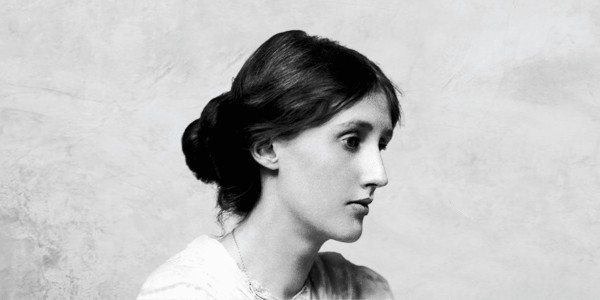
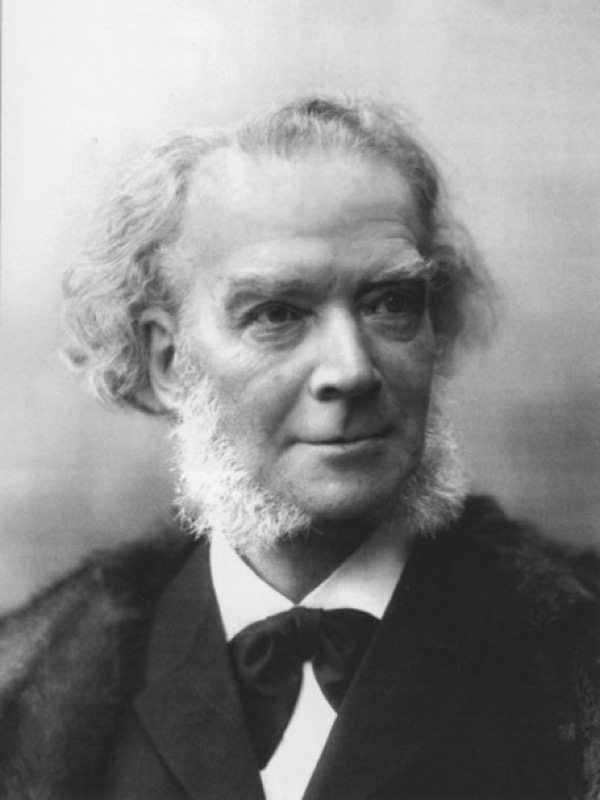
Virginia Woolf © thoughtco.com
Intuitive music, by contrast, attempts to bypass habit without erasing agency. It recalls, in some ways, the stream-of-consciousness writing of Virginia Woolf — an attempt to move beyond rigid structures and access something more immediate and unfiltered. The performer is invited to set aside judgment, expectation and inherited rules. Harmonic and contrapuntal reflexes may still emerge, but only if they have been so deeply internalised that they surface naturally, without conscious control.
Where Stockhausen’s intuitive music can falter — perhaps similarly to certain strands of free jazz — is in its reception. The resulting material can feel like music made by musicians for musicians. Even when intuition is foregrounded, a strong intellectual framework underpins the concept, which may distance listeners unfamiliar with its premises.
IGNM Salzburg | Karlheinz Stockhausen “Für kommende Zeiten”
And yet, there is something compelling in Stockhausen’s attempt to separate intellect from intuition — not by abandoning thought, but by suspending it. His aim was not to let emotion dictate the music in a sentimental sense, but to allow lived experience and instinct to guide the creative act. In a musical landscape often defined by systems, technique and expectation, that invitation to listen inward remains quietly radical.
For more of the best in classical music, sign up for our E-Newsletter