Making an inspired mixture of the virtuosic and the picturesque, Spanish composer Joaquín Turina (1882–1949) composed the piano sonata Sanlúcar de Barrameda in the spring of 1921. He defined it as a ‘picturesque sonata’, but that innocent title hides the true virtuosity necessary to perform the work. The composer himself wrote in his witty style: ‘My Sanlúcar de Barrameda sonata is so difficult to play that every morning I just greet it with the words, “Good morning, dear daughter, somebody else will play you”’. It’s not true, of course, that it was too difficult for him. He gave the premiere of the work at the Sanlúcar de Barrameda City Hall on 11 September 1922.
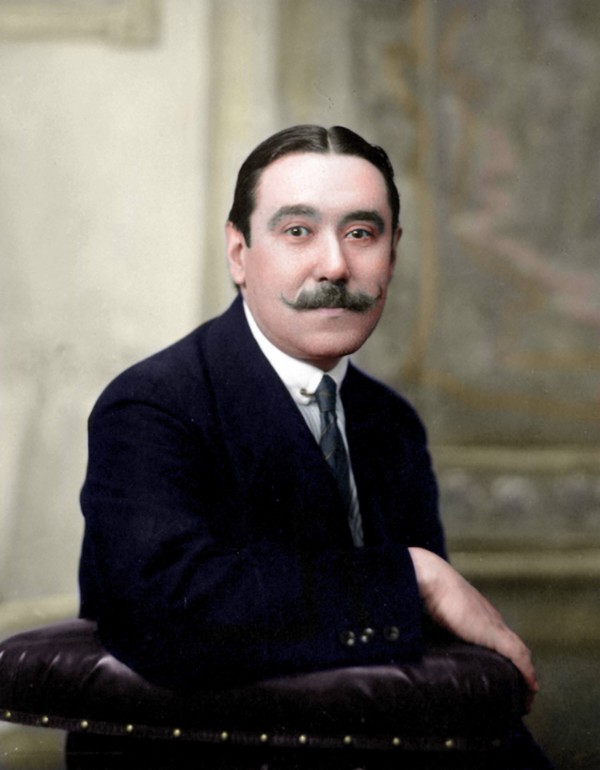
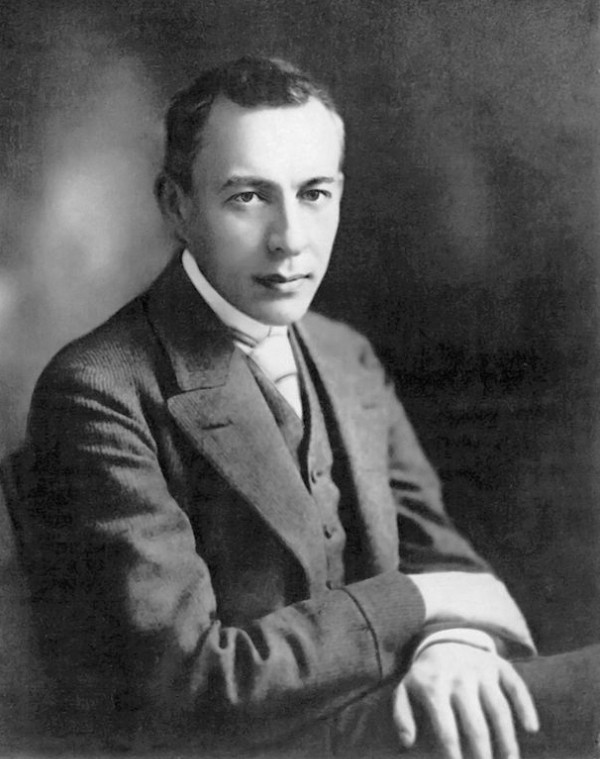
Joaquín Turina in 1913 (colourized)
In spring 1921, Turina was at the top of the Spanish musical world, both as a composer and performer. Sanlúcar de Barrameda is a city in southern Spain, part of Andalucía and in his notes about the piece, Turina refers to it as ‘this wonderful city of silver, a bewitching sorceress standing guard over the Guadalquivir [River], where the salt spray of the ocean is mixed with the aroma of manzanilla’, a reference to it being one of the three original towns of the triangle of sherry-producing towns.
The first movement, ‘En la torre del castillo’ takes you to the top of the town where every direction gives you something new, ‘in one direction the sea and the mouth of the river, in another the gentle green of the vineyards, and in another a whitewashed country house’, as Turina noted.
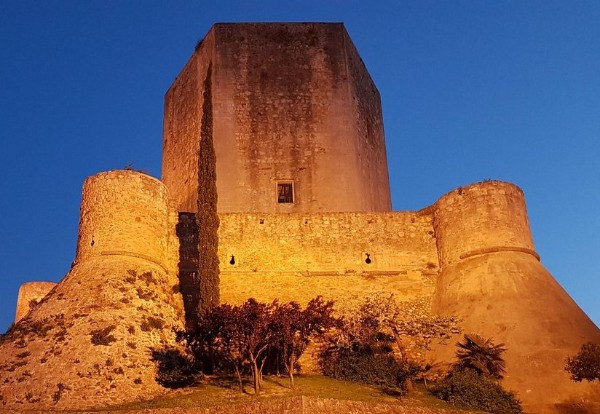
The Castle (photo by Salvador Panocho)
The music takes you through all those contrasting views.
Joaquín Turina: Sanlúcar de Barrameda, Op. 24 – I. En la torre del castillo (Jordi Masó, piano)
We descend to the heart of the city and walk along the street that leads down to the waterfront. At dusk, it’s filled with people walking along while children run and play around them.
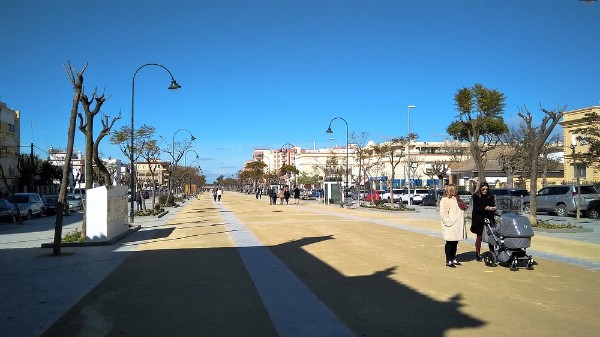
La Calzada (photo by Jose2358)
In Turina’s setting, he just sees the silhouettes of the passersby, and it’s the children who bring life to the street.
Joaquín Turina: Sanlúcar de Barrameda, Op. 24 – II. Siluetas de la calzada (Jordi Masó, piano)
At La playa, the waves wash against the sand endlessly, making a constant ostinato of noise in the background of your wanderings.
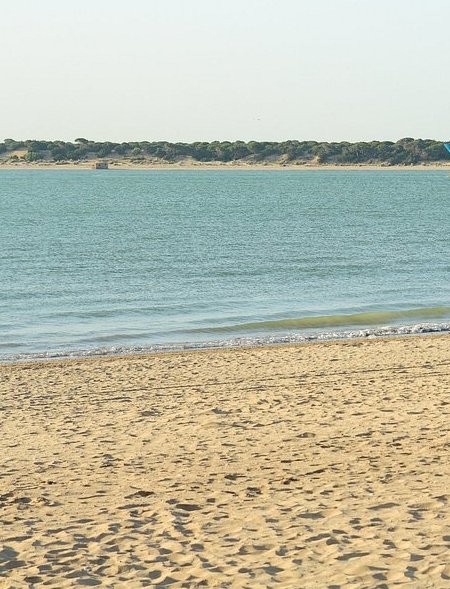
La Playa (photo by DaniyLola A)
Turina starts with those same waves at the beach. They wash up again and again, first in a pianissimo rumble in the bass and then advancing up the beach towards us as the tide comes in. In the end, it becomes a hymn-like commentary on the calmness of the sea and our own fascination and meditation on the movement of the waves.
Joaquín Turina: Sanlúcar de Barrameda, Op. 24 – III. La playa (Jordi Masó, piano)
Just as in Turina’s time, the fishermen of the city spend their time at sea and when home, repair their nets for the next day’s work.
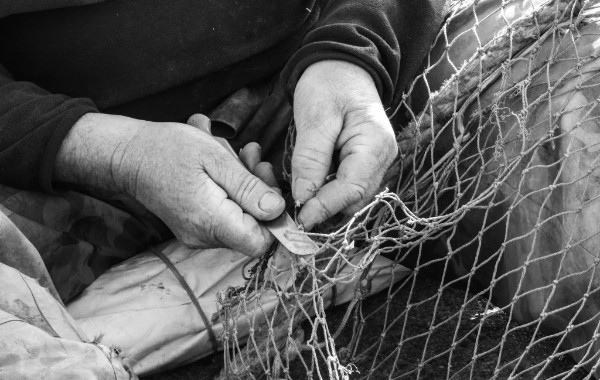
A fisherman repairing his nets at Sanlúcar de Barrameda
The life of a fisherman becomes the perfect closing movement in this fugal rondo. Themes from earlier movements return here and are imbued with the rowdy fishermen, returning with their catches and looking for customers. This movement is based on the flamenco form known as farruca, which was developed in the 19th century and, more importantly, was only danced by men. Its dramatic rhythm and intense footwork are picked up by Turina and presented in a most dramatic way.
Joaquín Turina: Sanlúcar de Barrameda, Op. 24 – IV. Los pescadores en Bajo de Guía (Jordi Masó, piano)
To summarise a city known for its sherry and for its seafood dining, a triumphal close is a perfect ending for our tour from the mountains to the sea of this historic town. In the form of a standard piano sonata, Turina has managed to give us the spirit of a city, overlaid by its atmosphere. If the first movement takes us to a castle, the second movement scherzo walks us through the town. The slow movement is driven by the waves on the beach, and it closes with a look at one of the important industries of the town: fishing.
For more of the best in classical music, sign up for our E-Newsletter