Before Ludwig van Beethoven became one of the greatest composers in history, he was a child prodigy pianist from Bonn, Germany.
Born into a musical family, his father helped train him as a musician…but also subjected him to horrific abuse.
During his difficult childhood, Beethoven was already composing.
One striking example of his early genius is three rarely-played sonatas known as the Kurfürstensonaten.
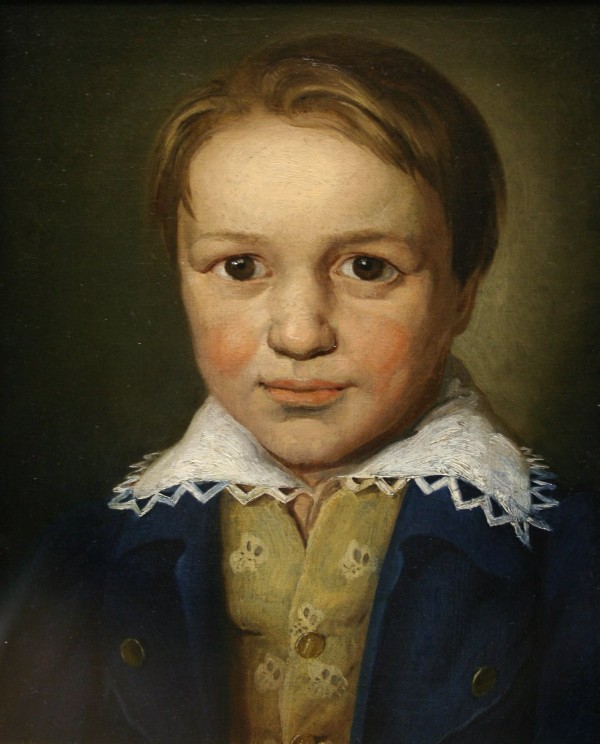
Beethoven at 13 years old
Today, we’re looking at Beethoven’s family history, his turbulent childhood, and the forgotten precocious piano sonatas that he wrote when he was just a little boy.
Ludwig van Beethoven the Elder’s Early Career
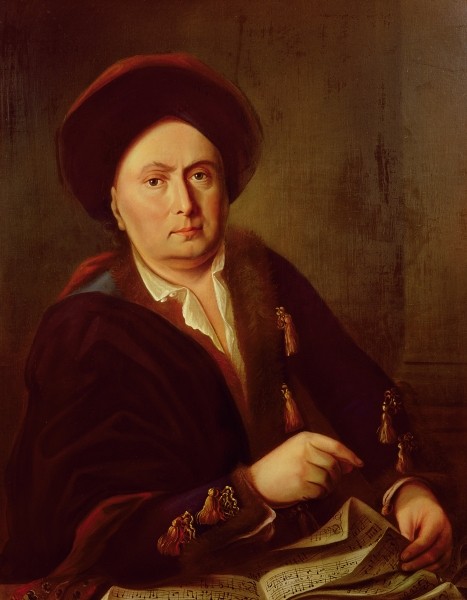
Beethoven’s grandpa, also named Ludwig van Beethoven
Ludwig van Beethoven was born in December 1770 in Bonn, Germany, about thirty kilometres south of Cologne.
His grandfather, also named Ludwig van Beethoven, enjoyed an impressive musical career. He became a choirboy at the age of six, and when he was thirteen, he began studying organ, harpsichord, and composition with the chief organist of St. Rumbold’s Cathedral in Mechelen, Belgium.
In 1733, when he was 21, the Archbishop of Cologne, a man named Clemens August of Bavaria, heard him sing at a performance in Liege.
The Archbishop was so impressed by his singing that he offered him a job at his court in Bonn. Beethoven accepted the offer, and he and his impoverished parents relocated to Bonn together.
Ludwig the Elder’s Kapellmeister Dreams
For decades, the elder Ludwig van Beethoven dreamed of becoming Kapellmeister at the Bonn court.
Translated literally, Kapellmeister means “master of the chapel choir”, but a Kapellmeister’s musical duties were wide-ranging…and, importantly, came with an increase in salary.
Unfortunately, Beethoven was overlooked for a promotion for decades, but that all changed in 1761.
That year, Archbishop Clemens August died. His successor, Maximilian Friedrich von Königsegg-Rothenfels, embraced a platform of financial austerity.
Various positions at the court were combined into one, and Beethoven ended up emerging with the top job of Kapellmeister at the age of 49.
Ludwig’s Troubled Son Johann
Ludwig the elder and his wife had three children together. Their youngest, born in 1740, was Johann: Ludwig the younger’s father.
Johann inherited his father’s musical talent. He joined the Bonn court in 1764, a few years after Ludwig the elder became Kapellmeister.
Six years later, baby Ludwig was born. Sadly, his grandpa died when Ludwig the younger was just a toddler, so he was never able to witness the astonishing musical development of his namesake.
Despite Beethoven’s young age at the time of his grandfather’s death, he claimed to remember him clearly. He idolised him and spoke of him frequently for the rest of his life, and a portrait of him always hung in his apartment.
Little Ludwig’s Start in Music
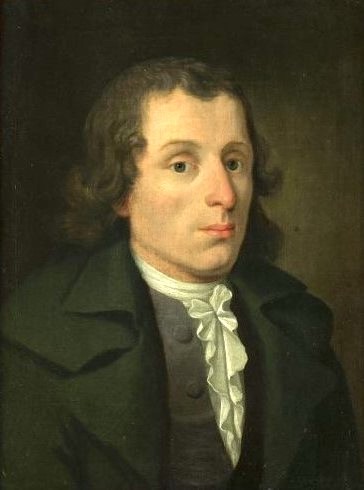
Christian Gottlob Neefe
Johann began teaching music to little Ludwig when he was a child.
His lessons became more systematic in 1781, when he began studying piano and composition with Christian Gottlob Neefe, the Bonn court organist.
Neefe was deeply impressed by his young student’s talent, proclaiming, “He will certainly become a second Wolfgang Amadeus Mozart, if he progresses as he started off.”
A healthy father might have been better able to nurture (and monetise) his son’s talent. Unfortunately, Johann suffered from an alcohol addiction, and it impacted both his personal and professional lives.
Thanks at least in part to his addiction, Johann began abusing Ludwig. He would sometimes lock him in the cellar, force him to practice, and drag him out of bed to perform for his drinking buddies in the middle of the night.
Years later, after Johann’s death, the archbishop dryly wrote in a letter, “The revenues from the liquor excise [tax] have suffered a loss in the death of Beethoven.”
Beethoven’s First Sonatas
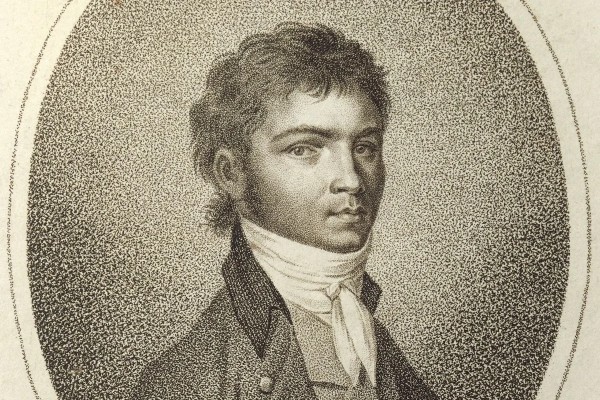
The young Beethoven
As a child, in the midst of studying and abuse, Ludwig began writing some extraordinary piano sonatas.
Historians believe these sonatas were composed between 1782 and 1783, the years he was eleven and twelve.
They were dedicated to Maximilian, the same archbishop who had once promoted Ludwig’s grandfather to Kapellmeister, and Johann’s current boss.
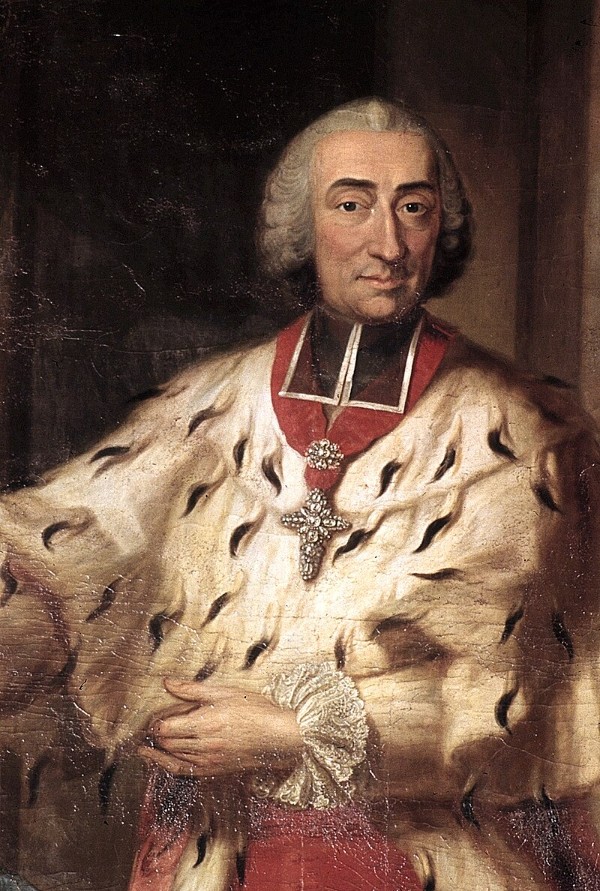
Kurfürst Maximilian Friedrich von Königsegg-Rothenfels
The archbishop’s titles included Archbishop-Elector of Cologne and Prince-Elector. Prince-Elector in German is Kurfürst, so these sonatas became known as the Kurfürstensonaten (or Prince-Elector sonatas).
They were published in Bonn in the fall of 1783 as a publicity move.
Despite the fact that Beethoven was just about to turn thirteen, the introduction read:
“Most lofty sir… I have now reached my eleventh year, and since then, my Muse has whispered to me often during the hours of devotion: ‘Be bold and lay down the harmonies of your soul!’ May I now, exalted Prince, dare to lay the first of my juvenile outpourings at the steps of your throne?”
Below are performances of all three of the works, with a few tidbits about each.
Sonata in E-flat-major, WoO 47, No. 1
Notable features of this sonata:
- Even as a child, Beethoven was experimenting with contrasting loud and soft dynamics in unique and unexpected ways.
- The centre slow movement has riffs that sound improvisatory. Imagine hearing a twelve-year old Beethoven improvising!
- The closing rondo is full of boyish energy and charm.
Sonata in F-minor, WoO 47, No. 2
Notable features of this sonata:
- This is considered to be the most emotional of the three sonatas, hinting at the adult Beethoven’s love of portraying emotional extremes.
- The sonata begins with a slow and solemn introduction, followed by some virtuoso fireworks.
- The finale is especially impressive with its hints of preteen surliness.
Sonata in D-major, WoO 47, No. 3
Notable features of this sonata:
- Beethoven plays with keys in an interesting way throughout this sonata, creating questions about which keys he’s writing in at certain moments.
- This sonata doesn’t have a traditional slow movement; instead, it’s a menuetto with a series of clever variations.
- The finale – a scherzando – is both fast and funny.
Fate of the Sonatas
As clever and charming as these works are, they were never assigned an opus number.
The first Beethoven piano sonata to actually be assigned an opus number was his Op. 2, No. 1, written when he was 24. It was published in 1796 along with his second and third.
All in all, Beethoven would write thirty-two piano sonatas with opus numbers.
It took until the twentieth century for these adolescent sonatas to finally be given a number of their own: WoO 47, Nos. 1-3 (the abbreviation means Werke ohne Opuszahl, or “works without opus number”).
Even though these early sonatas aren’t counted in the official list of thirty-two, they’re a fascinating glimpse into where the rest began: at the piano of an abused little boy who was desperately trying to live up to his grandfather’s reputation.
For more of the best in classical music, sign up for our E-Newsletter