
What was it really like to study piano with Frédéric Chopin?
Luckily, we don’t need to guess. His students left behind vivid accounts that reveal a teacher both demanding and inspiring: occasionally cranky, yet always deeply encouraging.
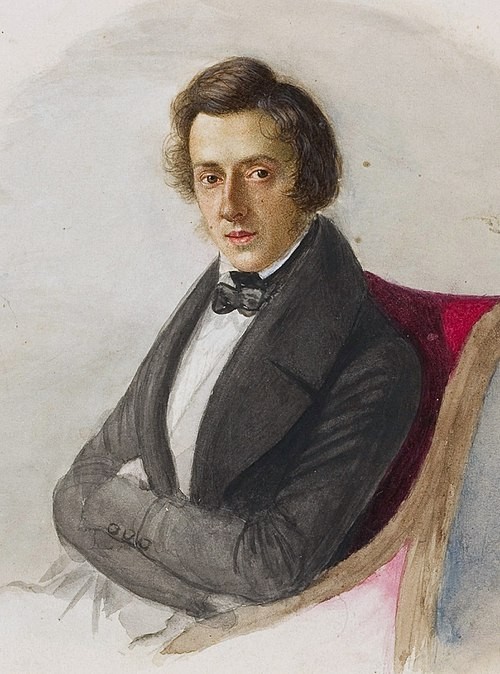
Maria Wodzińska: Chopin, 1836 (National Museum in Warsaw)
Between his sharp ear for detail and insistence on expression, and his heartwarming ability to calm students’ nerves and boost their confidence, Chopin always made his piano lessons unforgettable.
Today, we’re looking at first-hand accounts to find out what Chopin was really like as a teacher.
1. Chopin loved teaching.
Although he’d occasionally complain of the “treadmill” of teaching, it also seems that Chopin genuinely enjoyed working with his students.
Student accounts invariably emphasise how invested he was in their success. This makes sense, given how many times he dedicated his compositions to his students.
Of course, it didn’t hurt that he was paid handsomely for his efforts, and his teaching career saved him from touring or playing public concerts, both of which he loathed.
2. “He gave every detail the keenest attention”
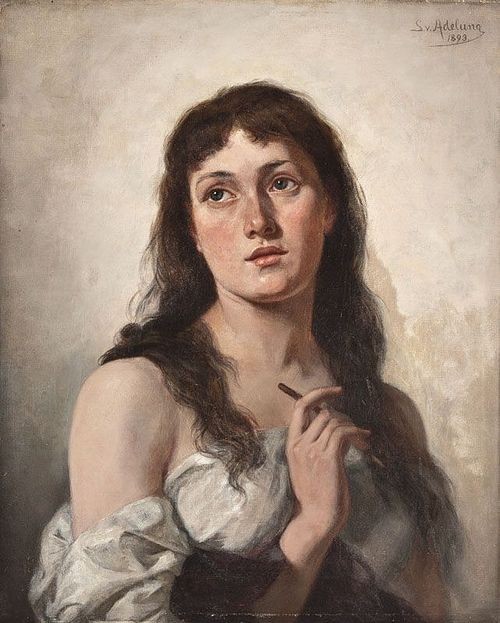
Sophie von Adelung
Sophie von Adelung, a writer and painter, interviewed her friend, Maria von Harder, about her experiences studying under Chopin, ultimately deciding to publish a book about them. That book came out in 1923 under the title Chopin als Lehrer (Chopin as Teacher).
Adelung wrote:
Chopin was a born teacher: expression and conception, position of the hand, touch, pedalling, nothing escaped the sharpness of his hearing and his vision, for he gave every detail the keenest attention.
Chopin’s Etudes
3. Even if they were amateur players, he held his students to very high standards.
Most of Chopin’s students were wealthy aristocratic women, which meant they’d never earn their living as piano soloists. A lesser teacher might have let them skate by or not taken them seriously. Chopin took them seriously.
Polish pianist and composer Karol Mikuli made a study of what Chopin’s teaching methods were.
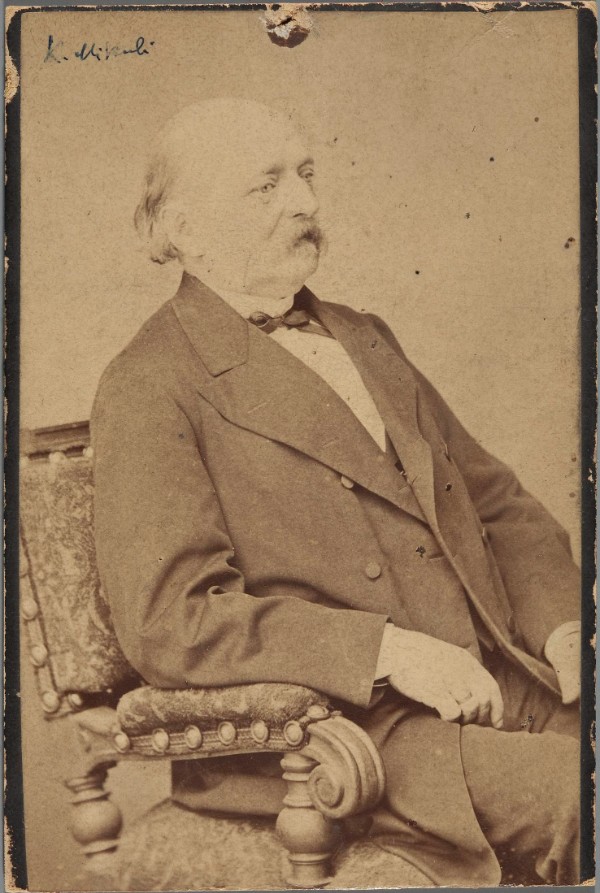
Karol Mikuli, ca. 1880
He wrote:
“Was not the severity, not so easy to satisfy, the feverish vehemence with which he sought to raise his pupils to his own standard, the ceaseless repetition of a passage till it was understood, a guarantee that he had the progress of the pupil at heart.”
Another description from Mikuli:
“Generally seated at his small upright pianino while the student played on the large Pleyel, he would tirelessly point out each error, each carelessness, each weakness – more profuse with examples than with words. Often the entire lesson passed without the pupils having played more than a few bars.”
4. Chopin was crankier with his male students than with his female students.
Especially when he wasn’t feeling well (he was, after all, chronically ill and always fighting back against the tuberculosis that would eventually kill him), he could occasionally be snippy. He was pricklier with the male students than the female ones.
That said, he could get “exasperated” by anyone, regardless of sex, if they didn’t follow his instructions or put the work in.
5. At lessons, Chopin had his students play from the score, not from memory.
Chopin placed a major importance on students following the instructions provided in the score.
Mikuli wrote:
Chopin preferred pupils to follow the text carefully rather than always play from memory, and he would mark the score as it lay on the music stand.
6. Chopin provided surprisingly heartfelt encouragement.
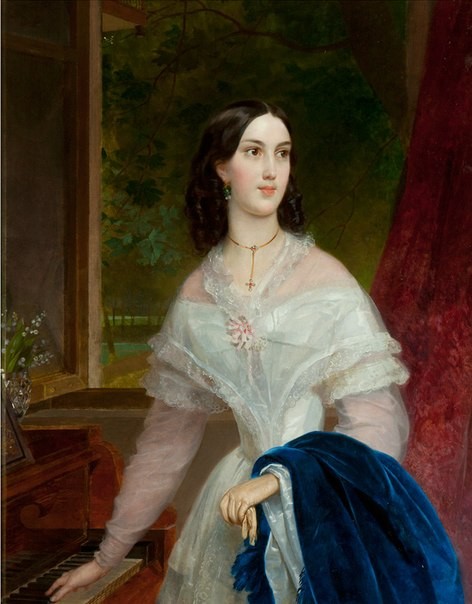
Emilie von Gretsch
One of his students, Emilie von Gretsch, wrote in an April 1844 letter:
Yesterday at Chopin’s, I tried to play his Nocturnes. I knew, I still felt clearly within myself the way in which he had played them.
But partly because of uncertainty with the notes, and partly through a certain inhibition which comes out in our bearing and our performance when we are anxious or unhappy, I found myself unable to express the music as I heard it in my head; I did not have the strength to realise it in sound.
It is wonderful then to see how tactfully Chopin puts one at one’s ease; how intuitively he identifies, I might say, with the thoughts of the person to whom he is speaking or listening; with what delicate nuances of behaviour he adapts his own being to that of another.
To encourage me, he tells me, among other things, “It seems to me that you don’t dare to express yourself as you feel. Be bolder, let yourself go more. Imagine you’re at the conservatoire, listening to the most beautiful performance in the world. Make yourself want to hear it, and then you’ll hear yourself playing it right here. Have full confidence in yourself; make yourself want to sing like Rubini, and you’ll succeed in doing so. Forget you’re being listened to, and always listen to yourself.”
Chopin’s Nocturne in C-sharp Minor
7. Chopin understood imposter syndrome.
Emilie von Gretsch continued her account of Chopin’s advice to her:
I see that timidity and lack of self-confidence form a kind of armour around you, but through this armour I perceive something else that you don’t always dare to express, and so you deprive us all.
When you’re at the piano, I give you full authority to do whatever you want; follow freely the ideal you’ve set for yourself and which you must feel within you; be bold and confident in your own powers and strength, and whatever you say will always be good.
It would give me so much pleasure to hear you play with complete abandon that I’d find the shameless confidence of the vulgaires unbearable by comparison.
8. Chopin enjoyed playing for his pupils, hoping to impart pedagogical lessons by example.
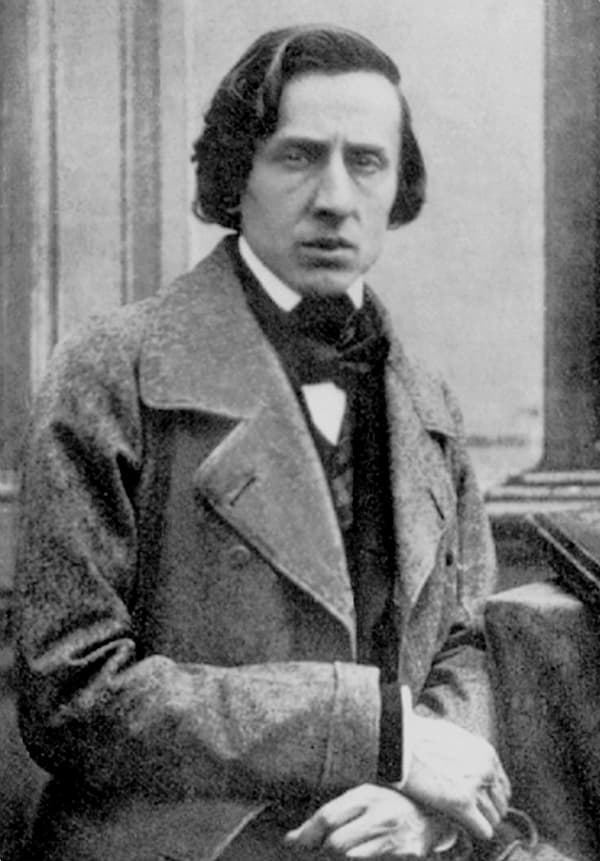
Frédéric Chopin in 1849
Not only would he frequently play a piece a student was working on once, sometimes he’d play it multiple times in a row, trying to improve it with each go, demonstrating to his student his evolution in real time.
Not surprisingly, this sometimes affected the daily lesson schedule (although it’s hard to imagine his pupils minded very much).
9. Chopin did not assign theory homework, but he did have pupils create stories or images to evoke the mood of a piece.
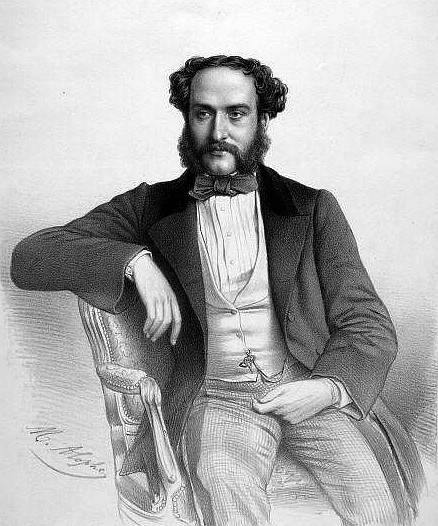
Georges Mathias
He once told his student Georges Mathias that Weber’s Sonata in A-flat major, Op. 39, contained imagery of “an angel passing over the sky.” (This was in the first movement, bar 81, in case you’re interested to know if you can hear it, too!)
Weber’s Sonata in A-flat major (the so-called “angel” part is around 8:28 in this performance)
10. Chopin wanted his students to learn how to sing.
Vera de Kolgrivoff, who later became known as Mrs. Luigi Rubio, remembered that Chopin once told her, “You must sing if you wish to play.”
He encouraged all of his students to go to the opera to hear the best singers.
11. Chopin left space for pupils’ individuality to blossom.
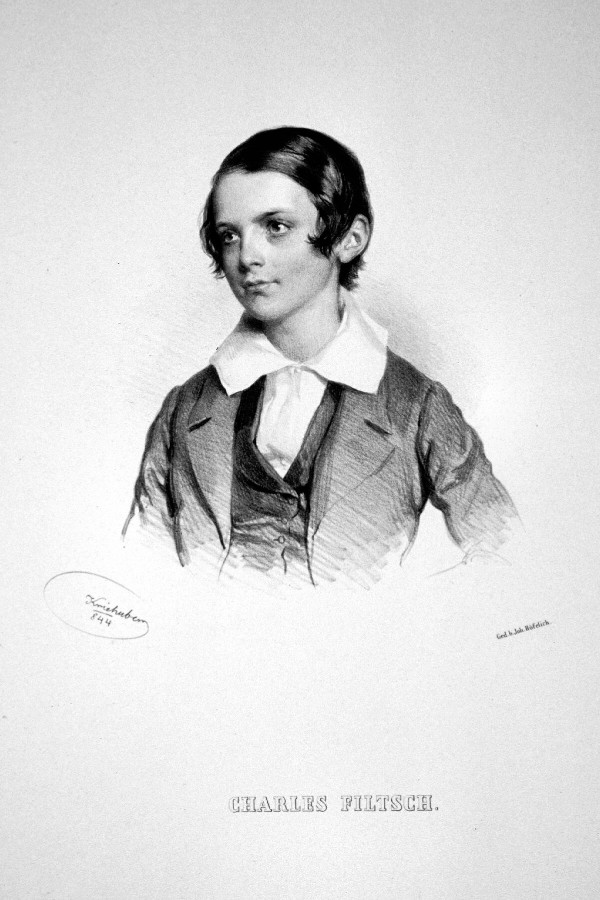
Carl Filtsch
He told Carl Filtsch, a child prodigy and one of his most talented students, “We each understand this differently, but go your own way, do as you feel, it can also be played like that.”
Such thoughtful encouragement feels surprisingly modern.
For more of the best in classical music, sign up for our E-Newsletter





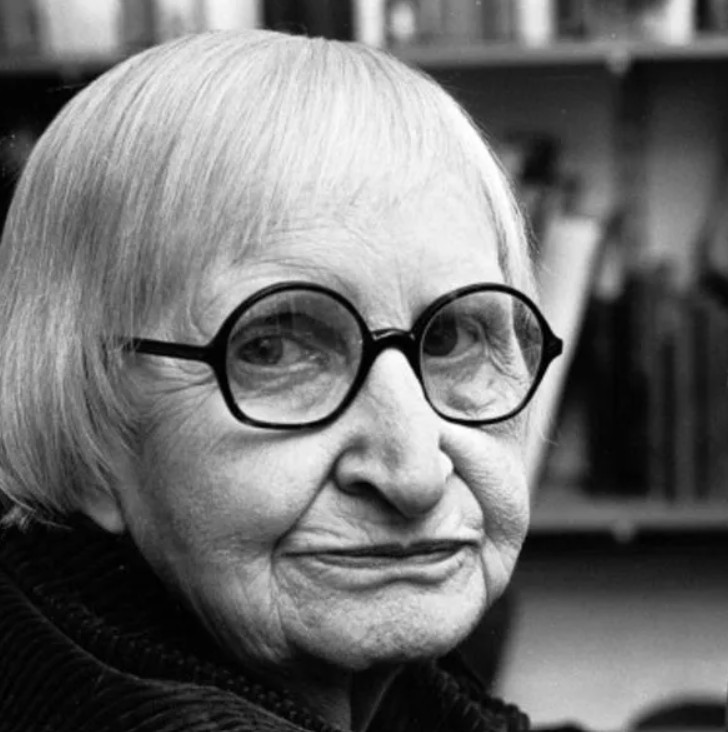
“You must sing if you wish to play”.
Schuman wrote in his 28 lessons for musicians, pay attention to singers, for they will teach you how to shape notes.