This new edition of The Savvy Musician by David Cutler is a comprehensive, practical guide for musicians at any career stage, especially those starting out or seeking a career refresh.
The Savvy Musician asserts that real success in music requires more than technical skill or securing traditional opportunities. Cutler makes the central claim that entrepreneurial thinking, innovation, and strategic planning are essential for building a meaningful, sustainable career. The book encourages musicians to ask: How can I create demand for my art? How can I support myself financially while making a difference?

David Cutler
It’s refreshing to find a book which pulls no punches about what musicians today need to do to sustain a career in music – and not just in performance. Cutler also examines teaching, composing, and arts administration in the book’s final section.
The book urges musicians to think like entrepreneurs – to innovate, spot opportunities, and solve problems. Chapters like Finding Your Voice, Mind Your Own Business, and Marketing Is Everything give practical advice on building your brand, knowing your audience, and navigating competitive markets. These topics are rarely addressed in traditional conservatoire training, which focuses on performance and offers little guidance on the day-to-day practicalities of building a professional music career.
More than half of the book is taken up with the ‘Entrepreneurial Journey’, and it is astonishingly comprehensive, with detailed information on, for example, self-promotion, publicity and marketing, managing one’s finances and tax affairs, networking and creating connections, and much, much more. Cutler uses real-life examples to illustrate his points, showing how creatively minded “savvy” musicians shape their careers not only to showcase their musical talents but also to protect themselves now and in the future from financial and other exigencies of life.
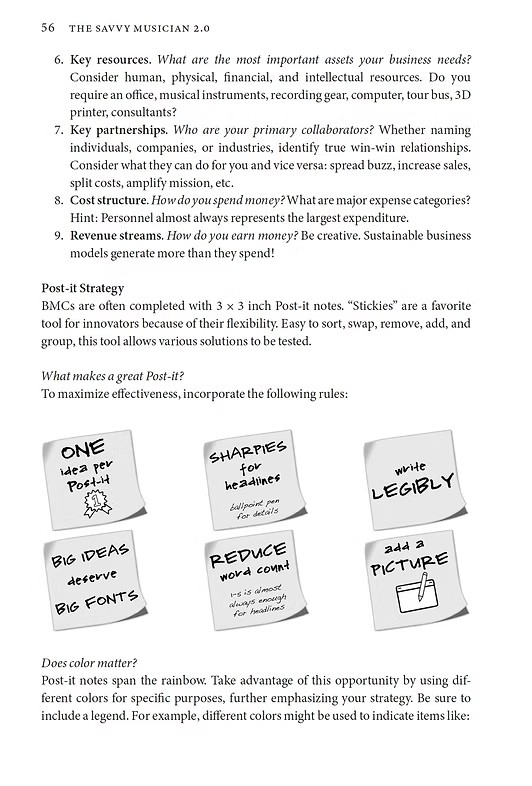
Sample page 1
The second section delves into ‘artistic relevance’ – spanning live performance, recording, and storytelling through media. Cutler contends that meaning and impact carry as much weight as income, advising readers on maintaining creative identity while adapting to new audiences and platforms.
Handel hits the road!
A major strength of the book is its breadth: it recognises that musicians may choose diverse career paths – teaching, performance, composition, administration, music therapy, and more. This perspective encourages readers to find success according to their strengths and ambitions, rather than following a single model.
The author consistently reinforces that a sustainable music career requires balancing artistic impact, financial income, and personal inspiration. The main argument is consistently clear: savvy musicians must intentionally shape their careers to honour their artistry while remaining economically and socially relevant.
Seraph Brass: Franz Liszt’s Hungarian Rhapsody No. 2, arranged by Jeff Luke
With over 150 case studies (a couple of which are illustrated in the videos in this article), the book highlights strategies used by musicians, ensembles, educators, and organisations, blending entrepreneurial insights with creative practice. It covers marketing, networking, business models, finance, and project management. Whether you’re a student, independent artist, educator, or professional, the content is broadly relevant. For those unable to hire a publicist or financial adviser, this book equips musicians to handle these roles themselves.
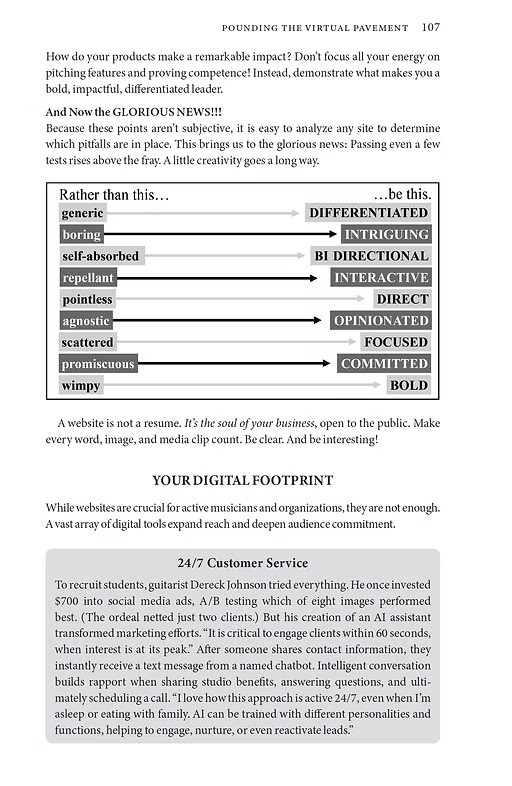
Sample page 2
Daria van den Bercken: Why I take the piano on the road … and in the air
The Savvy Musician addresses today’s creative realities and empowers musicians to direct their careers. For those constrained by tradition or overwhelmed by industry shifts, this book provides inspiration and practical guidance – a rare and very welcome combination.
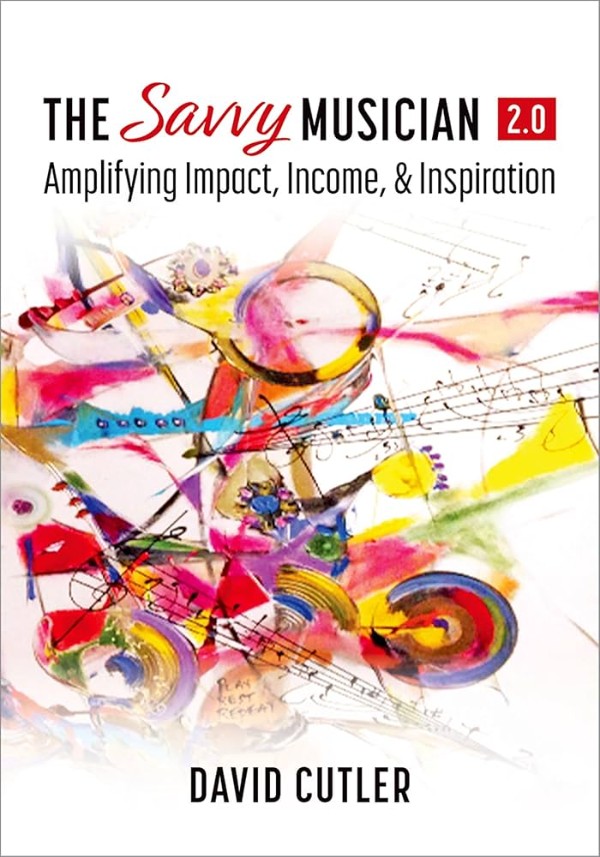
The Savvy Musician is published by OUP.
For more of the best in classical music, sign up for our E-Newsletter