
Camille Saint-Saëns, a titan of French Romantic music, is renowned for his vibrant compositions, technical brilliance, and stylistic versatility. His works, spanning symphonies, concertos, operas, and chamber music, have captivated audiences for over a century with their elegance, wit, and
Saint-Saens
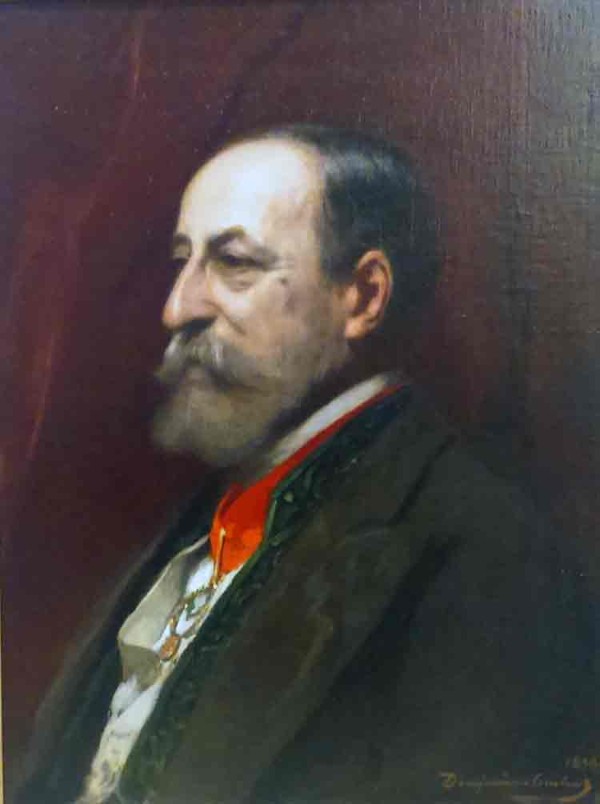
French composer Camille Saint-Saëns (1835–1921) spanned a change in eras that opens with the child prodigy being recognised by Rossini and Hector Berlioz and ends with the radical changes of the early 20th century. He did not like atonality or

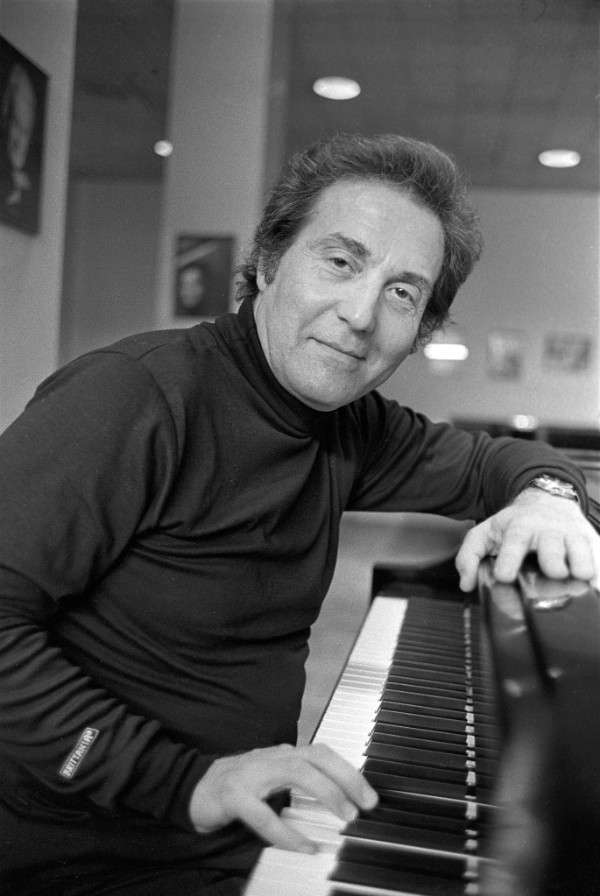
One of the unusual movements in Saint-Saëns’ Carnival of the Animals is his 11th movement: “Pianists.” We opened with the march of the lions, we had an elephant, and upcoming is the most famous movement, The Swan, but in the
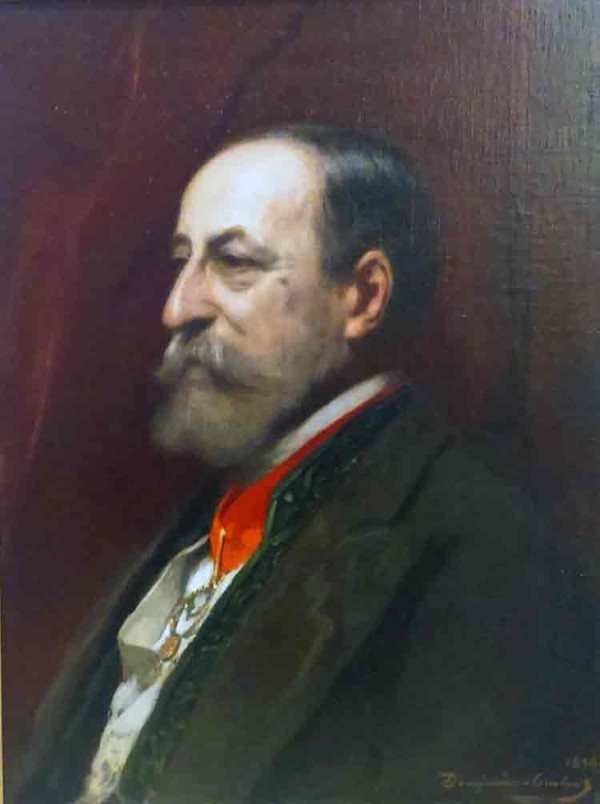
A critic once likened the 5 Piano Concertos by Camille Saint-Saëns (1835-1921) to a perfectly tailored French suit, “impeccably stylish, never trying too hard.” What a wonderful way of describing the virtuosic flair, structural innovation, and the distinctly French sensibility
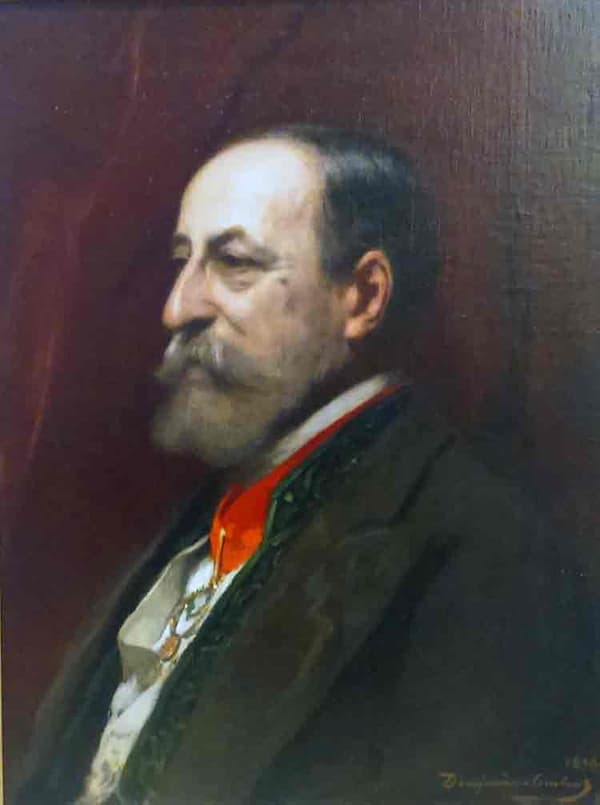
As we celebrate Camille Saint-Saëns’ birthday on 9 October 1835, we remember a musical genius and the leader of the French musical renaissance during the later part of the 19th century. He composed in virtually every musical genre available to
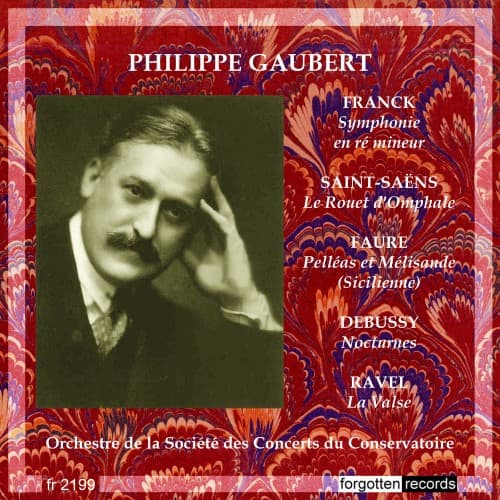
In the 1870s, Camille Saint-Saëns (1835–1921) wrote a set of symphonic poems on classical subjects, including Phaéton, Danse macabre, La jeunesse d’Hercule, and Le Rouet d’Omphale (The Spinning Wheel of Omphale), which tell of an episode in Hercules’s life. Omphale
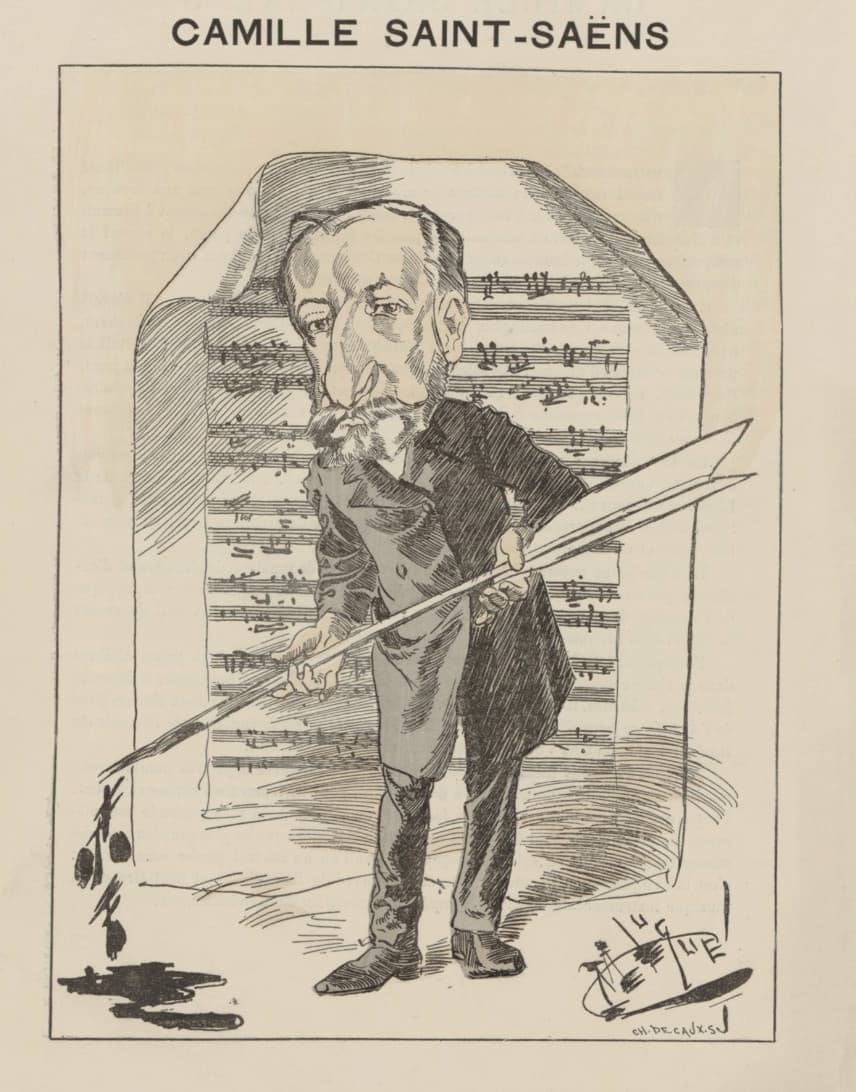
Camille Saint-Saëns (1835-1921) was left bereft at the death of his mother in December 1888, and the cold winter winds in Paris persuaded him that perhaps a warmer climate might better suit him. Accordingly, he left Paris for Algiers where
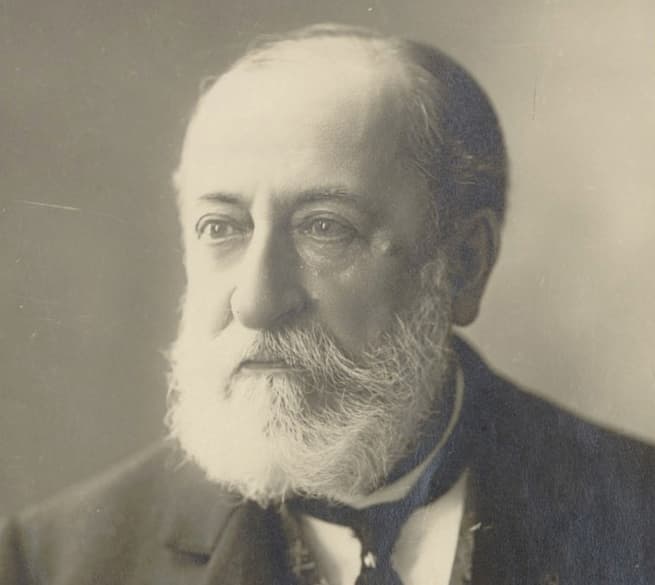
When Camille Saint-Saëns died of a heart attack on 16 December 1921 in Algiers, his body was taken back to Paris for a state funeral at the Madeleine. His career had spanned 70 years and five continents. He performed as