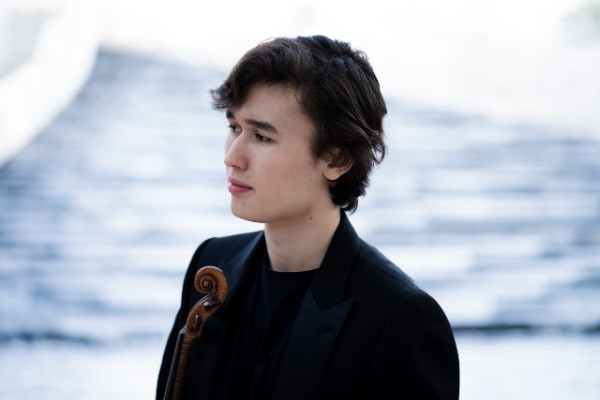
For six decades, pianist Rudolf Buchbinder has occupied a unique position among Beethoven interpreters. He is neither a flamboyant visionary who reshapes the score in his own image nor the archivist who entombs it in historical reverence.
Instead, he has become one of the artists whose Beethoven emerges as both freshly spontaneous and rigorously considered, liberated yet bound to the deepest textual fidelity. What sets Buchbinder apart is not a single aesthetic stance, but the constellation of qualities, including an extraordinary devotion to sources, an almost architectural clarity, a refusal of mannerism, and an inner fire expressed through disciplined control.
Where some pianists build their Beethoven legacy through volatility or extreme individuality, Buchbinder has defined his through purity of intention. To celebrate his birthday on 1 December 1946, let’s explore why his approach matters.
Rudolf Buchbinder plays Beethoven: Sonata No. 23 in F-minor, Op. 57 “Appassionata”
A Beethoven Built on Evidence
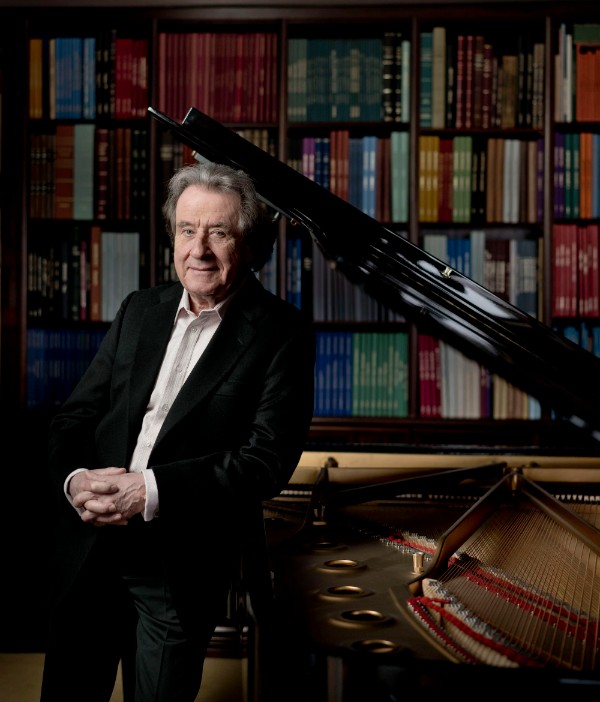
Rudolf Buchbinder
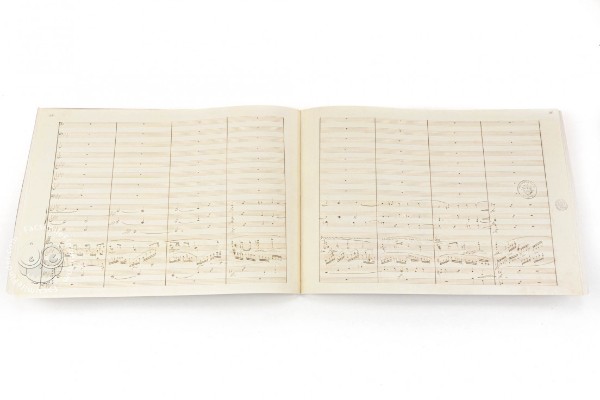
Buchbinder is perhaps the most meticulous Beethoven scholar among major pianists. His collection of more than thirty editions of the Beethoven sonatas has become part of his legend. This is not merely an antiquarian hobby but the foundation of his interpretive ethos.
By comparing discrepancies between early printings, autograph manuscripts, copyists’ errors, and later editorial interventions, he seeks to understand not only what Beethoven wrote, but what Beethoven intended.
Essentially, Buchbinder’s fidelity to the text is not restrictive but liberating because he resolves many questions before stepping onto the stage. While other great Beethoven performers, including Arrau, Gilels, and Richter, drew on philosophical or metaphysical frameworks, Buchbinder draws on the score itself.
Rudolf Buchbinder plays Beethoven: Piano Sonata No. 32 in C minor, Op. 111
Beethoven’s Classical Core
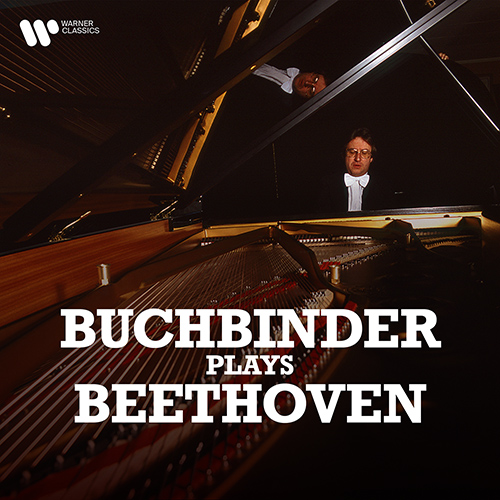
Buchbinder’s distinctive Beethoven also lies in his stylistic orientation. He brings a genuinely Classical sensibility to the repertoire, which is rooted in clarity, balance, and proportion rather than emotional excess. Emotional force is integrated into the overarching logic rather than thrust into the foreground.
While some pianists, especially in the 20th-century tradition, approached Beethoven through a late-Romantic lens that values sonority first and structure second, Buchbinder reverses the hierarchy. The result is a Beethoven who speaks in noble sentences rather than impassioned exclamations.
Compared to Maurizio Pollini’s analytical coolness, Buchbinder’s clarity is warmer and more humane. Compared to Alfred Brendel’s intellectual detachment, Buchbinder’s playing feels more grounded in physical sound and less in philosophical framing. And compared to Emil Gilels’ monumental authority, Buchbinder prioritises movement over mass.
Ludwig van Beethoven: Piano Sonata No. 1 in F Minor, Op. 2, No. 1 (Rudolf Buchbinder, piano)
The Integrity of Restraint
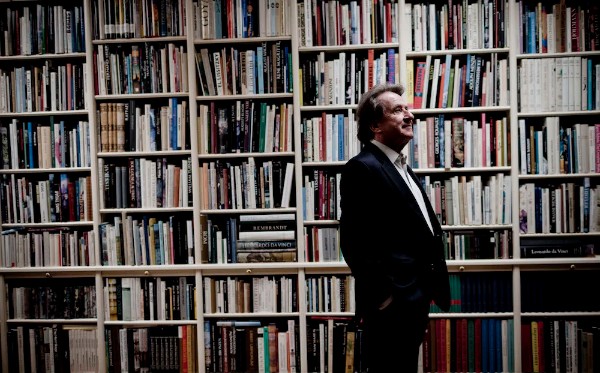
Rudolf Buchbinder
One of Buchbinder’s most defining qualities is what he doesn’t do. He avoids idiosyncratic rubato, exaggerated dynamic contrasts, or tempo distortions designed to make the listener notice the interpreter.
This restraint is not a lack of personality but rather an overarching philosophy. His view is that the pianist should be the servant of the music, not the protagonist.
In a musical world where individuality is often marketed as eccentricity, Buchbinder’s refusal to impose himself becomes a form of integrity. His playing is deeply personal, not because of outward quirks but because of inward conviction. He strongly believes that Beethoven is compelling enough without distortion.
Rudolf Buchbinder plays Beethoven: Piano Sonata No. 8 in C minor, Op. 13 “Pathetique”
Spontaneity as Guiding Principle
Buchbinder’s Beethoven continues to evolve. Even after performing the complete sonata cycle more than sixty times, he never plays it the same way twice.
As he explained, “Great music always demands spontaneity from its interpreters. It is inconceivable that a piece like the ‘Hammerklavier’ would sound exactly the same in two different performances.”
His approach to live performance is almost scientific, as each concert becomes a test, an experiment, a chance to refine. While many pianists strive for consistency by reproducing ideal interpretations, Buchbinder strives for progress and for discovery within boundaries.
Ludwig van Beethoven: Piano Sonata No. 26 in E-Flat Major, Op. 81a, “Les adieux” (Rudolf Buchbinder, piano)
The Orchestra behind the Keys
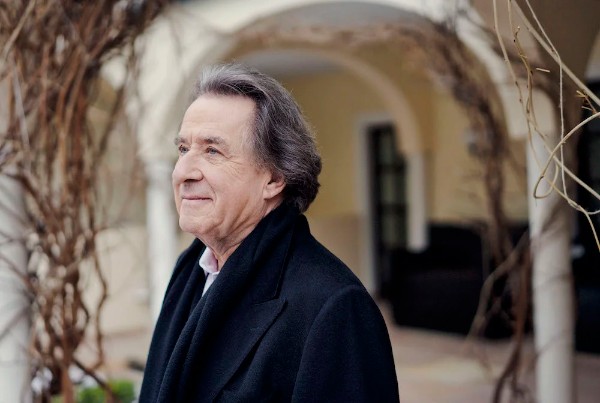
Rudolf Buchbinder
Buchbinder frequently notes that his musical thinking is symphonic. When playing Beethoven, he hears not a pianist’s instrument but an orchestra. This shapes his articulation and dynamic scaling, which often trace symphonic contours rather than pianistic norms.
This conductor-like mindset sets him apart from pianists whose Beethoven is anchored in pianism itself. Buchbinder’s interpretations are less about the piano as an instrument and more about Beethoven’s large-scale design, projected through ten fingers.
What ultimately makes Rudolf Buchbinder’s Beethoven different is the complete unity of scholarship, discipline, and musical imagination. He represents a school of interpretation in which freedom arises from knowledge, expression from structure, and power from clarity. His Beethoven is neither radical nor conservative; it is simply trying to be truthful.
For more of the best in classical music, sign up for our E-Newsletter