The ARTE Concert production “Ravel in a Thousand Sparkles” is a musical and visual tribute to Maurice Ravel, created to mark the 150th anniversary of his birth in 2025. The production offers an innovative blend of music, visuals, and storytelling.
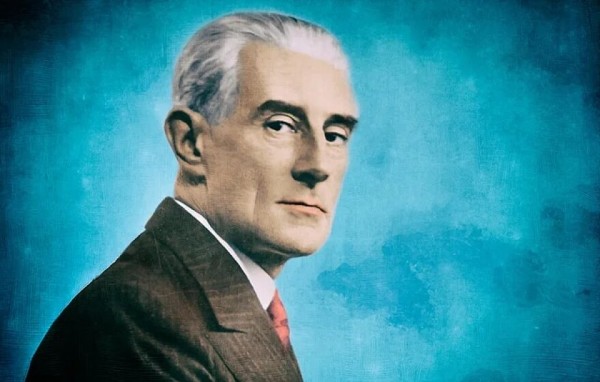
Maurice Ravel
Directed by filmmakers François-René Martin and Gordon, this production offers a poetic exploration of Ravel’s life and music through a unique blend of performance, cinematic artistry, and spatial sound design.
Featuring conductor Klaus Mäkelä, the Orchestre de Paris, and an all-star French cast including Sabine Devieilhe, Bertrand Chamayou, and the Quatuor Modigliani, the film transcends traditional biographical documentaries and filmed concerts, presenting Ravel’s legacy as a shimmering mosaic of sound, light, and emotion.
Ravel in a Thousand Sparkles”
Available until 31/03/2026
A Poetic Journey
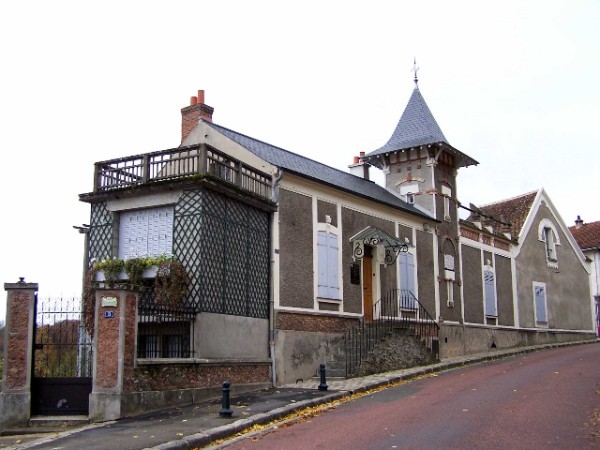
Maurice Ravel’s museum house in Montfort L’Amaury
This production eschews the conventional structure of a biographical documentary, opting instead for a contemplative and non-linear narrative. Mirroring the elusive nature of Ravel himself, the film avoids explicit biographical details, such as dates or direct quotations, and instead uses Ravel’s music as a primary lens to reveal his personality and artistic evolution.
This approach aligns with Ravel’s own reticence, with Roland-Manuel famously writing that the composer “repugnait à parler de lui-même” (was reluctant to speak of himself). By focusing on music rather than a narrative exposition, the film captures Ravel’s introspective and enigmatic character, described variably as a “dandy timide et élégant, consciencieux et solitaire” (timid and elegant dandy, conscientious and solitary).
Echoes of Ravel’s Genius
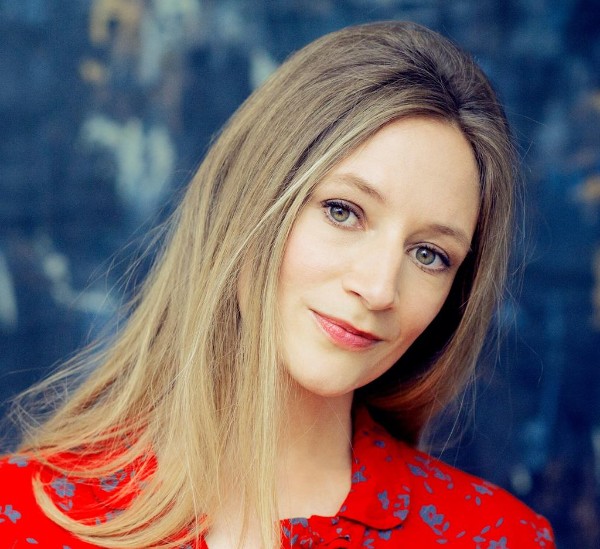
Sabine Devieilhe
This innovative concert film is structured around chapters tied to his key compositions, with each piece reflecting an aspect of Ravel’s personality and stylistic range. Each piece, from the opening Ma mère l’Oye to the iconic Boléro, reflects an aspect of Ravel’s personality and stylistic range, from whimsical fairy-tale motifs to introspective impressionism and jazz-infused modernity.
By featuring both well-known and lesser-performed compositions, the film underscores Ravel’s versatility and his ability to evoke the “ineffable and invisible” through music, blending French baroque, Spanish folk, Jewish traditions, and American jazz influence.
Sound and Vision in Harmony
The film redefines the concert film genre through advanced cinematic techniques and 360° spatial sound, creating an immersive experience. Camera movement is synchronised with lighting, and vibrant colour palettes are aligned with the music’s instrumental gestures.
Filmed in evocative locations like Ravel’s house-museum in Montfort-l’Amaury, the church in Ciboure, Le Corbusier’s Couvent Sainte-Marie de la Tourette, and the Philharmonie de Paris, the film creates a “singular palimpseste” where past and present merge. The spatial sound greatly enhances the lush textures to evoke specific atmospheres, while dynamic visuals complement the music’s emotional depth.
Ravel’s French Legacy

Marie-Laure Garnier
The production features an all-French cast of exceptional performers, including distinguished soprano Marie-Laure Garnier in the opening segment. Her warm and versatile voice aligns beautifully with the film’s aim to reflect Ravel’s introspective side.
Conductor Klaus Mäkelä, known for his nuanced interpretations, leads the Orchestre de Paris, while soprano Sabine Devieilhe, pianist Bertrand Chamayou, and the Quatuor Modigliani bring Ravel’s compositions to life with precision and passion.
The inclusion of the choir Accentus further enriches the ensemble, particularly in works that highlight Ravel’s ability to craft intimate, almost secretive musical moments. This all-French cast not only honours Ravel’s national heritage but also underscores the cultural significance of his music in France, where he was regarded as the greatest living composer between the World Wars.
Traditions meet Visionary Modernity
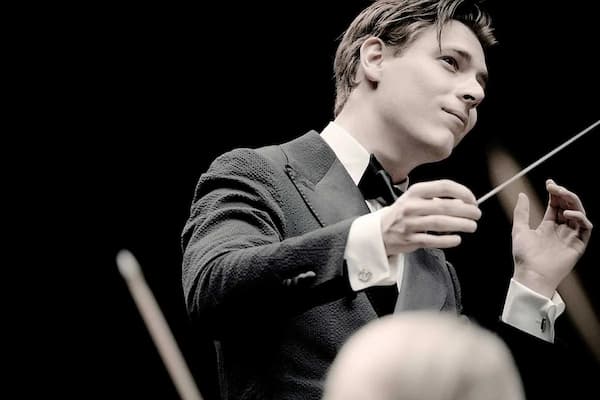
Klaus Mäkelä © Marco Borggreve
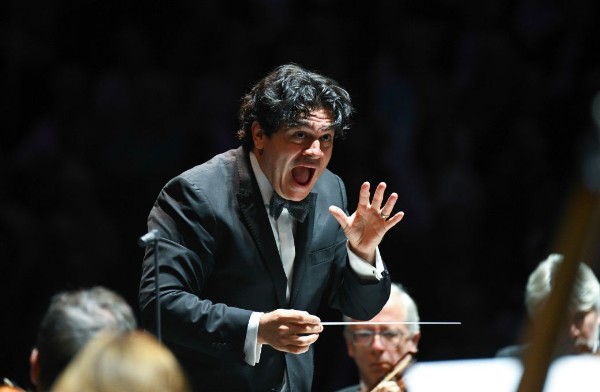
Timed with Ravel’s 150th anniversary, the film aligns with other ARTE Concert tributes featuring artists like Cristian Măcelaru and Renaud Capuçon, reflecting Ravel’s enduring influence on classical music, particularly his ability to redefine its boundaries by blending tradition with visionary modernity.
It also subtly acknowledges his personal struggles, such as his Prix de Rome rejections and physical frailty that excluded him from active military service, adding depth to his introspective nature.
Moreover, the production situates Ravel within a broader artistic context, drawing parallels with contemporaries like Debussy and Stravinsky, whose influence is evident in the film’s aesthetic choices. The use of modernist architecture, such as Le Corbusier’s Couvent Sainte-Marie de la Tourette, underscores Ravel’s connection to the avant-garde, while the inclusion of jazz-inflected works like the Piano Concerto reflects his engagement with global musical trends.
Ravel in a Thousand Sparkles is a masterful tribute, blending sound, visuals, and storytelling to present Ravel’s music as a living art form, illuminating his genius for long-time connoisseurs and for new audiences.
For more of the best in classical music, sign up for our E-Newsletter