For many centuries, the name Johann Pachelbel was shrouded in obscurity, but then a little piece of music changed all that. The “Canon in D” exploded in popularity in the 20th century and appeared in movies, pop songs, and countless covers.
It’s a catchy little chord progression, built on a basso continuo and written for three violins, and it inspired artists from The Beatles to Coolio, making it a cultural staple.
Many people love the balance and simplicity of the Canon, but some say it is seriously overplayed. Well, it’s a very soothing piece that easily evokes emotion. It’s joyful and uplifting, perfect for weddings or quiet reflection; so, let’s have another listen.
Johann Pachelbel: Canon in D Major
The Organ Virtuoso who shaped Bach
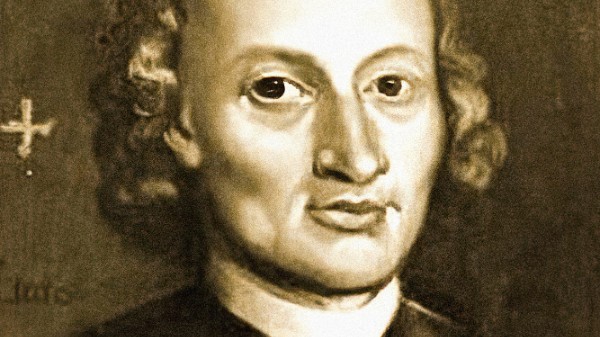
Johann Pachelbel
According to the old calendar, Johann Pachelbel was baptised on 1 September 1653, and to celebrate his birthday, let’s engage in all manner of “Musical Delights.” Actually, Pachelbel was a masterful organist, and his true legacy lies in his contributions to organ music.
Serving as an organist in churches across Germany and Austria, including Vienna’s St. Stephen’s Cathedral and Nuremberg’s St. Sebaldus Church, he dazzled congregations with his incredible skill.
He composed a large body of sacred music, and his ability to craft lively, expressive compositions greatly influenced later giants like Johann Sebastian Bach. His organ music was very practical, designed for worship, yet innovative with rich counterpoint and inventive variations.
Johann Pachelbel: Musicalische Ergötzung: Partita No. 1 in F Major (Philipp Naegele, violin; Zolt-Andras Marton, violin; Dan Lupu, cello; Klaus Preis, harpsichord)
Musical Delights
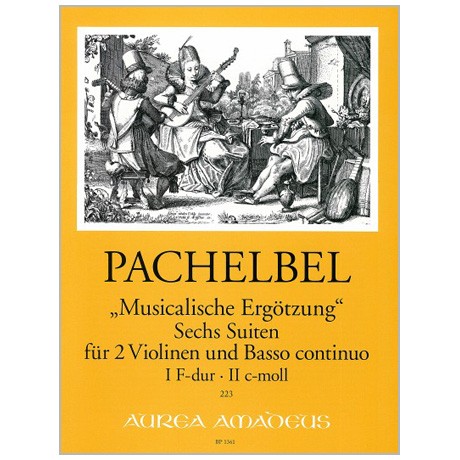
Johann Pachelbel’s Musical Delights
Pachelbel didn’t only write sacred organ compositions; he also participated in the chamber music of his time. And that’s how we arrive at his “Musicalische Ergötzung,” best translated as “Musical Delights.”
Likely published around 1699, although some scholars suggest that it might have been as early as 1691, the “Musical Delights” is a collection of six suites written for two violins and basso continuo.
Each suite is a series of short dance movements, mainly allemandes, courantes, sarabandes, and gigues, with an occasional sonata or chaconne added. These delights were designed for intimate settings like courtly gatherings or social events, and they blend the structured elegance of Baroque music with a warm and accessible charm.
Johann Pachelbel: Musicalische Ergötzung: Partita No. 2 in C Minor (Philipp Naegele, violin; Zolt-Andras Marton, violin; Dan Lupu, cello; Klaus Preis, harpsichord)
Rediscovering Chamber Gems
These musical delights were rediscovered only in the 20th century, and they quickly became favourites among chamber music enthusiasts. In older times, chamber music was a staple of entertainment in courts and wealthy homes.
Composers like Pachelbel crafted suites to showcase instrumental skill while providing lively or reflective moods for such occasions. His “Musical Delights” reflects that tradition, with its dance-based structure rooted in the French suite style popular at the time.
Unlike his sacred organ works, these pieces are secular, meant to delight listeners with their melodic interplay and rhythmic vitality. And the title of the collection perfectly captures their purpose. They were written to entertain and uplift.
Johann Pachelbel: Musicalische Ergotzung: Partita No. 3 in B-Flat Major (Philipp Naegele, violin; Zolt-Andras Marton, violin; Dan Lupu, cello; Klaus Preis, harpsichord)
Dances of Joy and Reflection
The first Suite, actually called “Partita”, opens the collection with a bright, welcoming sonata. Its lively tempo sets a festive tone, with the violins trading cheerful phrases over the continuo’s steady pulse.
The allemande is smooth and graceful, evoking a courtly dance, while the courante adds a sprightly, skipping rhythm. The sarabande slows things down with a stately, almost tender melody, and the gigue closes with a playful, upbeat flourish, making this suite feel like a joyful introduction to the set.
The second Partita shifts to the minor key and a more introspective mood. The sonata begins with a sombre dialogue between the violins. The allemande is measured and thoughtful, with intricate melodic lines weaving together. The courante picks up the pace with a lively bounce, while the sarabande deepens the emotional resonance with its slow, expressive phrases. The gigue ends the suite with a brisk, complex dance, blending energy with a touch of melancholy.
Johann Pachelbel: Musicalische Ergotzung: Partita No. 4 in E Minor (Philipp Naegele, violin; Zolt-Andras Marton, violin; Dan Lupu, cello; Klaus Preis, harpsichord)
Uplifting Allegros and Reflective Chaconnes
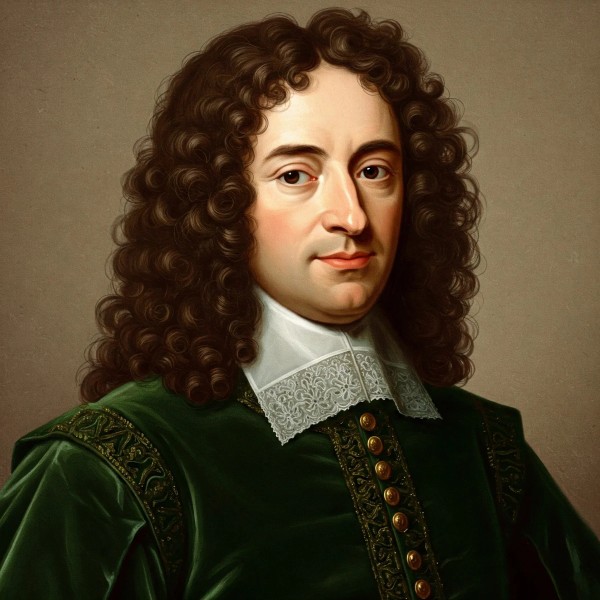
Johann Pachelbel
Partita III in E-flat Major bursts with energy, starting with a spirited Allegro sonata that highlights the violins’ virtuosic interplay. The allemande is elegant yet lively, with flowing melodies that feel almost conversational.
The courante keeps the momentum with a buoyant rhythm, and a unique aria movement adds a lyrical, song-like quality, with the violins soaring over the continuo. The suite concludes with a chaconne, where variations unfold over a repeating bass line, creating a mesmerising, uplifting effect that lingers in the ear.
Partita IV in E minor is soulful and dramatic, opening with a sonata that sets a serious, reflective tone. The allemande features intricate counterpoint, with the violins echoing each other in a poignant dance. The courante adds a lively contrast, while the sarabande offers a moment of deep, heartfelt beauty. A chaconne, one of Pachelbel’s specialities, builds layers of melody over a steady bass, leading to a spirited gigue that feels like a lively exchange between old friends.
Johann Pachelbel: Musicalische Ergötzung: Partita No. 5 in C Major (Philipp Naegele, violin; Zolt-Andras Marton, violin; Dan Lupu, cello; Klaus Preis, harpsichord)
The fifth Partita radiates joy and optimism, sparkling with bright and cascading melodies. It sets a celebratory tone and includes a smoothly flowing allemande, a skipping courante, a tender and warm sarabande, while the gigue races to a vibrant close. Now that is what I call true musical delight.
The concluding Partita exudes warmth and charm, starting with a lively sonata that feels inviting and energetic. The allemande has a refined, almost aristocratic grace, while the courante adds a playful, lilting rhythm. The sarabande brings a reflective pause with its smooth, flowing lines, and the gigue closes the suite with a spirited and joyful flourish.
In his “Musical Delights” Pachelbel showcases his ability to craft emotionally rich and tightly structured music. Each suite has its own personality, yet they work together to create a cohesive, delightful experience. The interplay of the violins over the continuo’s steady pulse feels like a musical conversation, perfect for the intimate settings and amateur performers they were written for.
Pachelbel’s “Musical Delights” prove that the composer’s genius extended far beyond the famous Canon in D. They reveal just a glimpse of the countless musical treasures still waiting to be discovered.
For more of the best in classical music, sign up for our E-Newsletter
Johann Pachelbel: Musicalische Ergötzung: Partita No. 6 in B-Flat Major (Philipp Naegele, violin; Zolt-Andras Marton, violin; Dan Lupu, cello; Klaus Preis, harpsichord)