
If you’ve ever listened to sad classical music, chances are you’ve listened to something from Pyotr Ilyich Tchaikovsky.
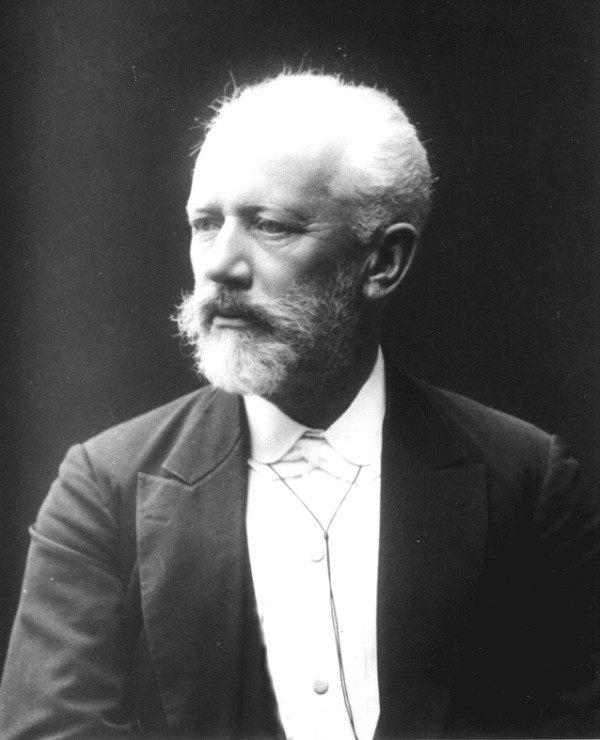
Pyotr Ilyich Tchaikovsky in 1893
Celebrated (and sometimes mocked) for his extremely emotional output, Tchaikovsky composed some of the most heartbreaking classical music ever written.
In this article, we’re exploring eight of Tchaikovsky’s saddest pieces. If you’re looking for emotional classical music, sad symphonies, or music to cry to, these are essential listens.
Today, we’re presenting our list in subjective reverse order: from least sad to saddest. Keep reading and find out which work took the crown.
Chanson Op. 40, No. 2: “Chanson Triste”
When listing Tchaikovsky’s saddest works, we’ll start off with a piece actually titled “Sad Song” (“Chanson Triste”).
It may not be overtly or aggressively sad, but the atmosphere here is one of quiet introspection, with a shade of wistfulness.
Ninety seconds into the piece, the music feels like a hazy, happy memory, filtered through the lens of nostalgia.
When the first theme returns, it carries the weight and meaning of that happy memory, as if asking, “How did I get from then to now?”
Verdict: This is the perfect sadness for when you’re feeling nostalgic.
Violin Concerto, Movement 2
Tchaikovsky’s violin concerto was written in a burst of creativity, shortly after his failed marriage in 1878.
Tchaikovsky, who was gay, had a nervous breakdown just weeks into his marriage. He fled Russia to Switzerland to spend time with his former student and lover, Iosif Kotek. During his time in Switzerland, inspired by Kotek, he composed the violin concerto.
The opening and closing movements of the concerto are exuberantly joyful affairs. This center slow movement steps back from all that to take a meditative breath.
After a beautiful introduction in the winds, the solo violin comes in. It’s nocturnal, mysterious, a little exotic: like someone confessing a deeply personal story late at night. Throughout the entire movement, the solo violin sounds painfully alone.
Verdict: This is lonely sadness.
“Kuda, kuda, vi udalilis” from Eugene Onegin
Tchaikovsky’s opera Eugene Onegin dates from 1878, the same year as his violin concerto (and his doomed marriage).
The opera stars a character named Vladimir Lensky, a young poet who gets into a quarrel with his best friend Eugene Onegin for flirting with his girlfriend.
Lensky challenges Onegin to a duel. In the end, neither of them wants to go through with the confrontation, but feels societal pressure to do so.
Before the duel, Lensky sings this aria, the opening lines of which can be translated:
Where have you gone, o golden days of my spring?
What does the day coming have in store for me?
He also professes his love for his girlfriend…right before Onegin kills him.
This aria captures the internal turmoil of a man who is world-weary and afraid, but also resigned to the tragedy of whatever his fate will be.
Verdict: This is tragically resigned sadness.
“None But the Lonely Heart”, Op. 6, No. 6
“None But the Lonely Heart” was originally written for voice and piano. Over the years, it has been transcribed for a number of instruments.
Its lyrics are illuminating:
None but the lonely heart
knows what I suffer!
Alone and parted
from all joy,
I see the firmament
in that direction.
Alas, who loves and knows me
is far away.
I’m dizzy, it burns
my entrails.
None but the lonely heart
knows what I suffer.
This song is Tchaikovsky’s heartbreaking musical portrait of what such existential loneliness feels like.
Verdict: This is the sadness of someone whose heart has been broken, who is now completely alone.
Symphony No. 5, Movement 2
The opening to this movement consists of a series of grim, hushed string chords.
On top of this, a sadly noble French horn plays an unforgettable solo. The mood shifts to something still desperately sad, but with yearning now, and maybe a sprinkling of regret.
During this movement, the entire orchestra moves through a number of different colours of sadness: grief, uncertainty, futile bargaining.
Many phrases echo and build on each other, sounding like sighs or sobs.
Even after a couple of defiant brass-and-timpani outbursts, the music eventually seems to run out of energy, receding and returning to a hushed, wary sadness.
Verdict: This is the sadness of someone who is resolved to move forward, but who still feels broken.
Romeo and Juliet Overture
Tchaikovsky’s musical interpretation of Shakespeare’s doomed lovers portrays not only their intense passion for one another but also the tragedy of what happens to them.
He conjures a variety of kinds of sadness over the twenty minutes of this work. There’s suspicious sadness, furious sadness, uneasy sadness, reckless sadness, among other kinds…and they’re all bracketed by the famous tender love melody that represents the joy of the lovers.
By the end of the overture, that same tender love melody returns, this time as a funeral hymn.
Verdict: This is desperate, frantic sadness.
Piano Trio in A-minor
Tchaikovsky wrote his sprawling piano trio in December 1881 and January 1882. It became a tribute to his late friend and colleague Nikolai Rubinstein; in fact, Tchaikovsky subtitled the trio “In memory of a great artist.”
The entire work is a searing portrait of grief. It begins with a deeply affecting interchange of themes between violin and cello.
The second (and final) movement features a set of theme and variations that fly past like a projected reel of memories.
But toward the end of the piece, Tchaikovsky takes an unexpected direction: he brings back the original searing, tragic theme from the first movement. (It happens around 47:00 in the video above.)
Ultimately, this mournful theme turns into a lonely funeral march.
Verdict: This is sadness having to do with loss.
Symphony No. 6
When it comes to sad classical music, this is Tchaikovsky’s masterpiece. Even from the opening notes, the work is dark and depressing, colored by a mournful bassoon and deep strings.
By the finale, as listeners, we’re expecting catharsis. Instead, we get the most devastating symphonic movement of Tchaikovsky’s entire career: a slow, low unwinding. There is no triumphant ending here.
In the end, the thing that cemented this symphony as the saddest one of Tchaikovsky’s – and maybe of all time – was the tragedy of the composer’s death. Within days of its premiere, Tchaikovsky drank a glass of contaminated, unboiled water at a restaurant dinner. He came down with cholera and died.
Verdict: This is every shade of sadness, rolled into one work.
Final Notes
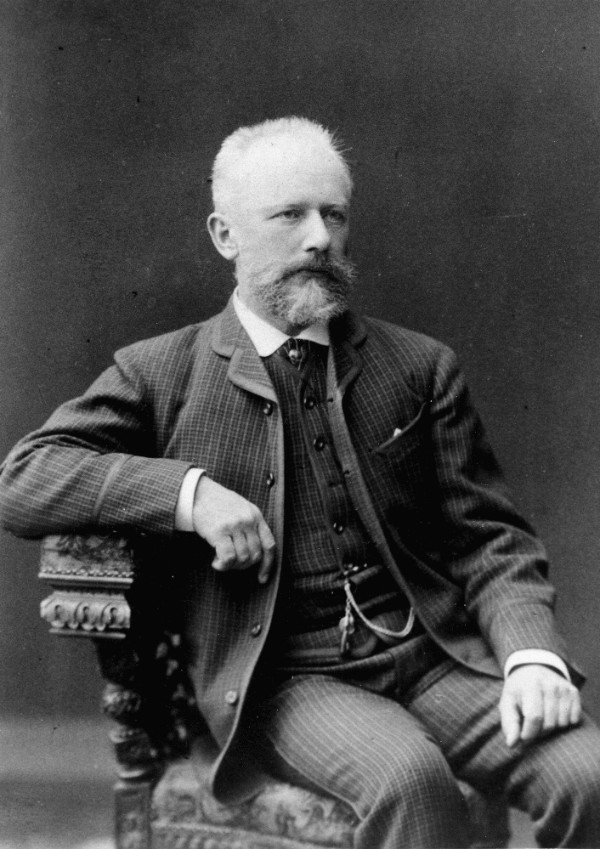
Pyotr Ilyich Tchaikovsky
Tchaikovsky’s sadness was never one-note (pun intended). It ranged from quiet introspection to operatic despair. What makes his music so affecting is that he allowed himself to explore every colour and kind of sadness.
That’s why if you’re in the mood to cry, reflect, or just sit with your feelings, there’s simply no better companion than Tchaikovsky.
For more of the best in classical music, sign up for our E-Newsletter







I am playing Chanson Triste on a cello; it appears even sadder than on the piano.