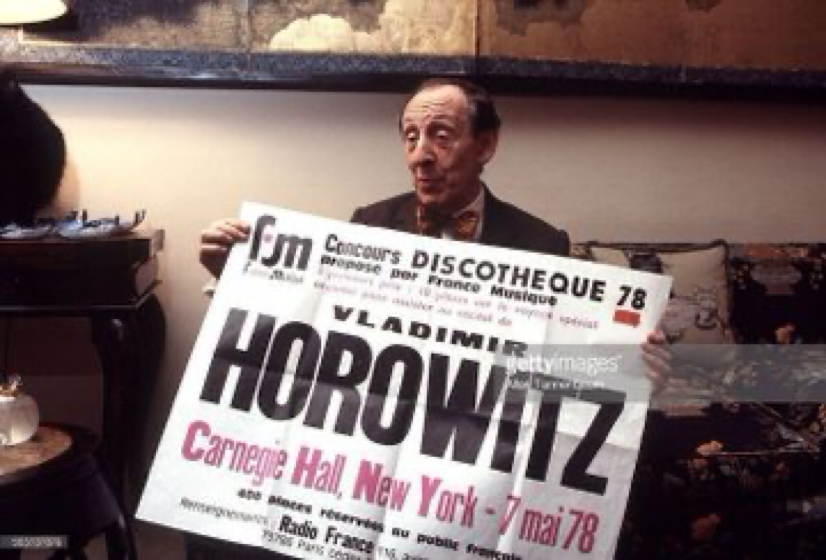
In addition to writing about classical music for this site and my blog, The Cross-Eyed Pianist, I am a publicist/PR working with a number of musicians and music organisations. I have no formal training for this role, but I spend a lot of time observing how other musicians and organisations, and indeed those in other professions, promote themselves and their activities/products – an exercise which is endlessly interesting and informative.
Frédéric Chopin: Waltz No. 3 in A Minor, Op. 34, No. 2, “Valse brillante” (Vladimir Horowitz, piano)
Just as discussing fees, money and the ‘business’ side of the music profession is considered rather tasteless in classical music, so also is talking about marketing and promotion, in particular self-promotion.
I think this stems in no small part from the musician’s training. The conservatoire environment places artistry, purity and humility above visibility, entrepreneurship and marketing. Today’s musicians are expected to be their own marketers, content creators and advocates, but conservatories rarely teach these skills, so many feel unprepared when they embark on a professional career.
Some musicians think self-promotion is “unartistic” or “vulgar,” that the music should “speak for itself.” That’s all very well, but how are you going to get people to come and hear you play the music if you don’t tell them about it?!
Paying someone to look after your publicity and social media activities does not come cheap. Such people can be incredibly helpful in shaping your image and “brand”, contacting journalists and broadcasters, and “getting your name out there”, but many musicians, especially young musicians or those at the start of their career, do not have the wherewithal to fund such third-party support.
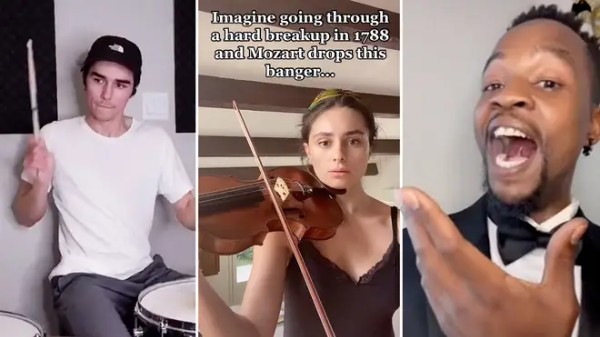
Musicians on Tik Tok
But self-promotion is easy and inexpensive (even free!), with a range of social media platforms literally at one’s fingertips, and applications such as Canva to help one create eye-catching and powerful marketing materials.
“People in classical music are always asking how they can reach a wider audience. The bizarrely simple answer is social media. It genuinely works.” – Anna Lapwood, organist and conductor
This made me feel like a rockstar
Using social media platforms like Instagram, TikTok and YouTube Shorts in particular allow you to self-promote in a way that goes beyond simple listings and photos of your concert posters. Reels (short videos) are great at showcasing excerpts from a forthcoming programming or highlighting specific repertoire (see Anna Lapwood’s reel above!). Talk about the music, introduce yourself, and make connections with your audience before they’ve even booked a ticket. Be a good colleague too and share posts from the venues where you’re playing or people you’re working with. Engage with comments and create conversations around your activities through Instagram stories, polls, questions. Take inspiration (and advice) from others in your industry, and beyond (I often cite the British pianist Sir Stephen Hough as an excellent example of a musician who understand the benefits of self-promotion in a way that is both engaging and free of ego). Above all, aim for an authentic voice (rather than an ego-centric one!) and people will respond positively.
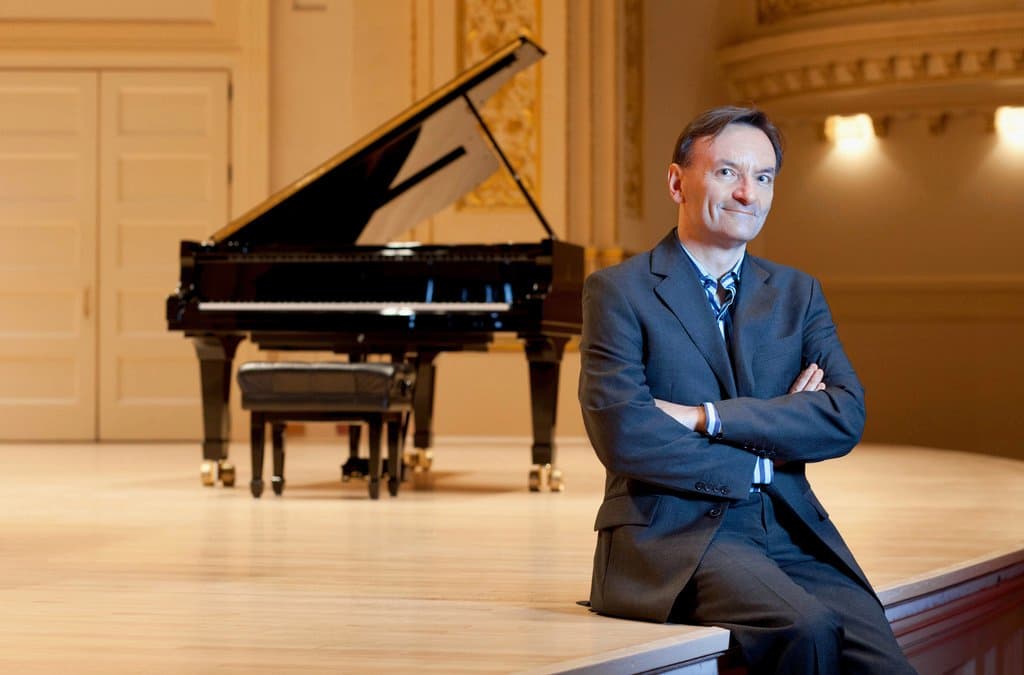
Stephen Hough
Saxophonist Jess Gillham demonstrates how easy it is to create a YouTube short to promote herself and her concerts:
Self-promotion also indicates that you care about what you’re doing. The statement “if your work speaks for itself, you shouldn’t have to” is nonsense. Don’t do any self-promotion, and people won’t take you seriously because you’ll give the impression you don’t take your work seriously.
Done well and authentically, self-promotion is a powerful yet relatively easy way to reach audiences, make connections and showcase your activities.
So be your own PR and don’t be afraid of self-promotion!
For more of the best in classical music, sign up for our E-Newsletter