
Tyrolean Cultural Heritage Attending the Innsbruck Festival is an experience that extends far beyond the concert halls into a city deeply defined by centuries of imperial musical patronage. Long before it became a modern festival destination, Innsbruck served as a
Archives
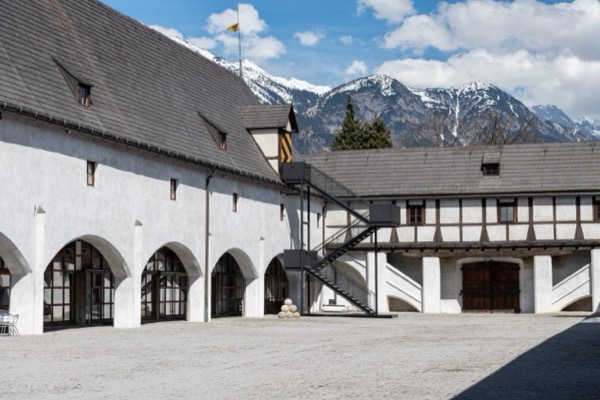
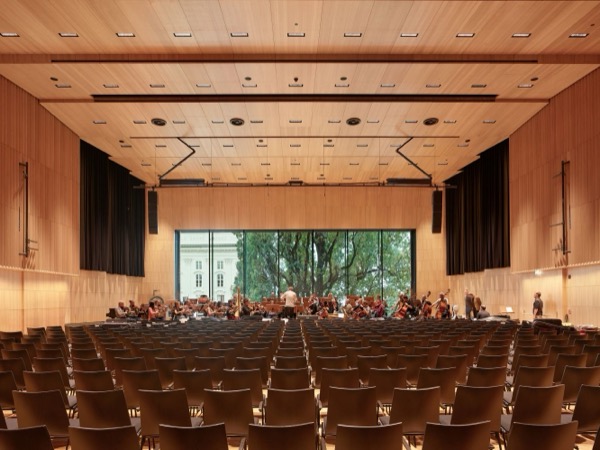
50 Years of Historical Resonance and Alpine Elegance In the vast landscape of European classical music, few places offer a setting as visually and acoustically captivating as Innsbruck. Here, where the dramatic limestone peaks of the Nordkette mountains frame Renaissance
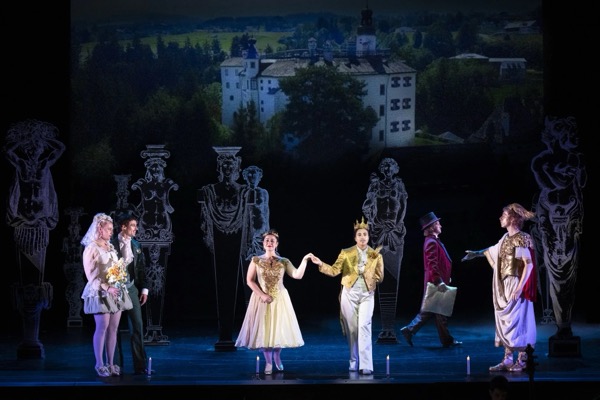
The Innsbrucker Festwochen der Alten Musik has long been a premier incubator for Baroque opera. Through its annual “Barockoper:Jung” initiative, the festival provides a crucial professional platform for former Cesti Competition winners and other exceptional young talent. Handel’s 1736 pastoral
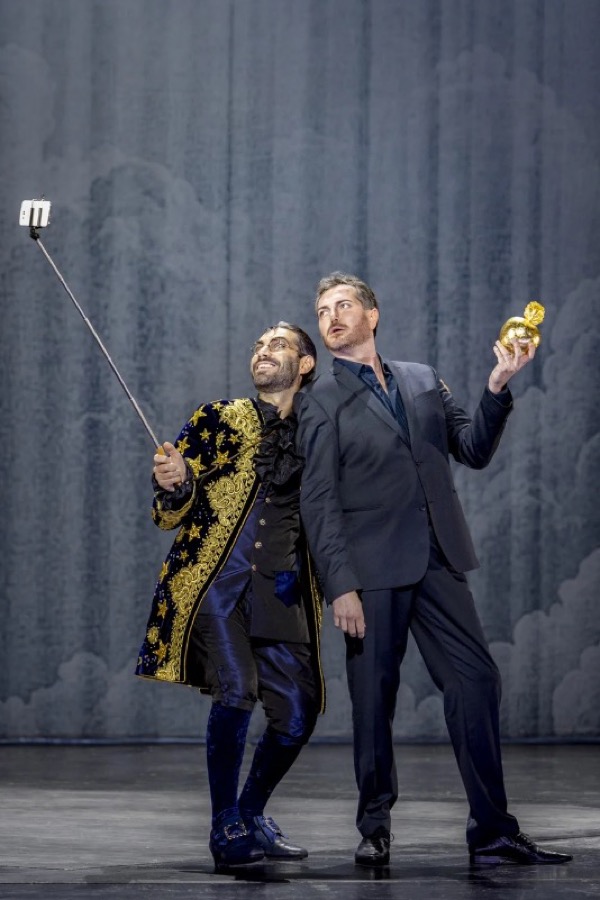
The Work What a Production! Over seven hours of music, twenty singers, dozens of roles, and a bewildering succession of scenes: Antonio Cesti’s 1660s festa teatrale, Il pomo d’oro, was unambiguously the most fitting birthday present imaginable for the 50th
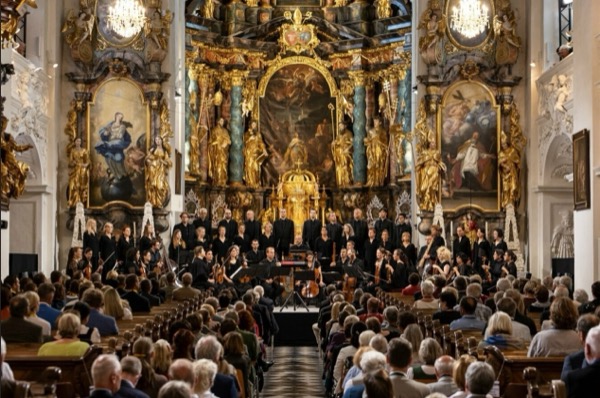
Other highlights provided by the festival: Nocturnal Light Programs: This dialogue between shadow and illumination extends to the festival’s chamber recitals. Pianist Bernd Glemser crafts a striking twilight narrative, pairing Beethoven‘s “Moonlight” Sonata with Liszt‘s transcription of Beethoven’s Fifth Symphony.
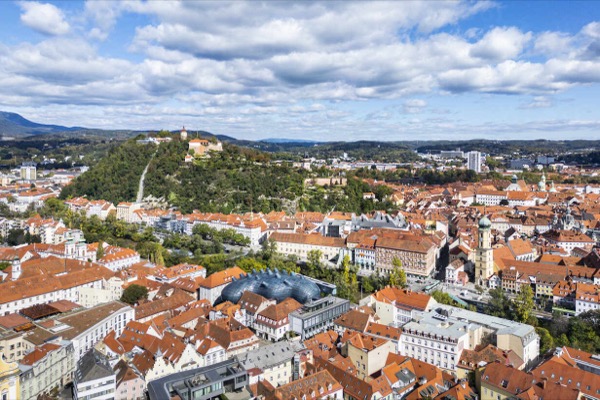
Chances are, Graz will not be your first stop in Austria. It lacks the monumental musical clichés of Vienna, the postcard saturation of Mozart‘s Salzburg, or the immediate dramatic peaks of Innsbruck’s snow-capped Alps. Yet, there is a reason why
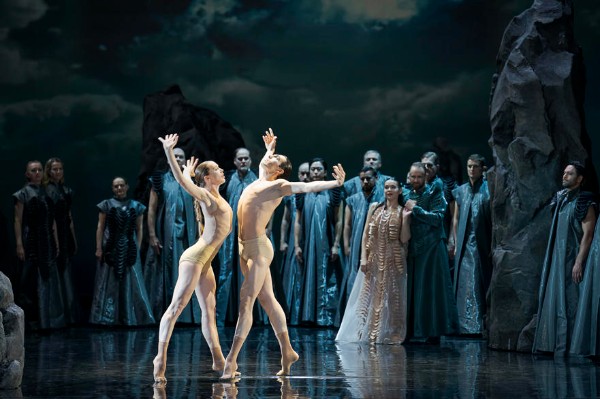
Jean-Philippe Rameau’s Castor et Pollux, generally regarded as one of his finest works, is staged with some frequency. For a fully staged opera production in 2026, however, you would have to visit two mid-scale European opera houses, the Grand Théâtre
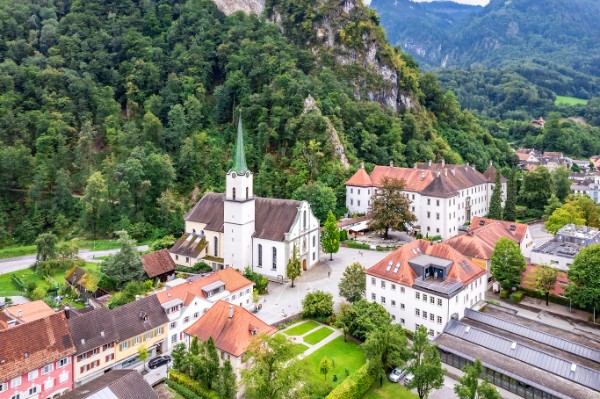
The annual festival of Schubert and his contemporaries celebrates its 50th anniversary this year and, in 6 programs spread over two distinct performing spaces, brings the sound world of Schubert alive. The Schubertiade (named after the evenings in Schubert’s house)