The prevailing image of Niccolò Paganini immediately brings his thunderous violin concertos to mind. Hardly surprising, as they are such wondrous orchestral spectacles where Paganini tamed the instrument like a wild stallion.
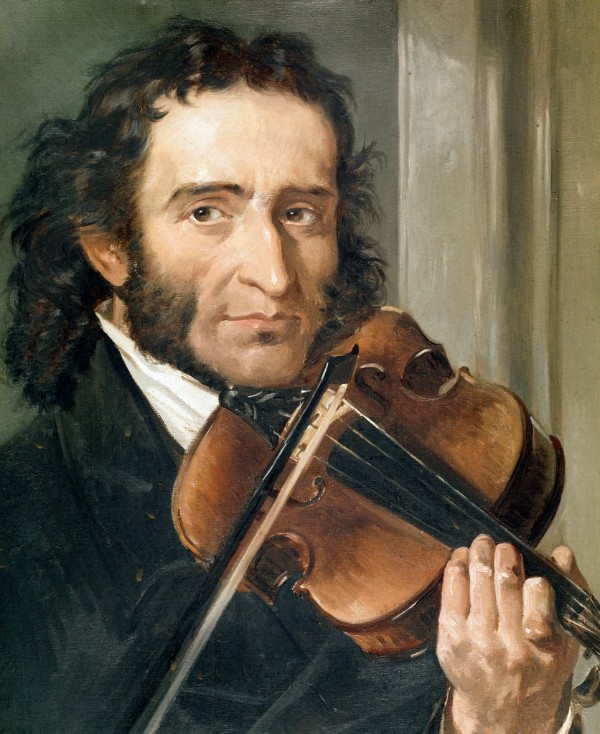
Niccolò Paganini
And let’s not forget the legendary 24 Caprices, Op. 1, those solitary showstoppers that have haunted violinists for two centuries with their fiendish technical demands and devilish allure. Immortalised in transcriptions by Brahms, Rachmaninoff, and countless others, these works are the cornerstones of the virtuoso repertoire.
Yet, lurking in the shadows of Paganini’s oeuvre are his beguiling violin sonatas, primarily his collections Opus 2 and 3, and others for violin (or viola) and guitar, composed in the early 1800s during his itinerant youth, and at the end of his life.
To celebrate Paganini’s birthday on 27 October 1782, let’s feature a selection of his greatest violin and guitar duos, chamber gems that disclose a more personal side of the maestro’s genius.
Niccolo Paganini: Sonata for Violin and Guitar, Op. 3, No. 1
Whispers of Genius
Paganini was no ordinary fiddler. A child prodigy who could sight-read concertos at seven, he honed his craft in smoky taverns and aristocratic salons, his talent blooming amid personal turmoil.
Rumours swirled: syphilis-ravaged health, a gambling addiction, and whispers of a pact with the devil to explain his superhuman feats. By his 20s, he’d revolutionised violin playing, pushing the instrument’s limits with innovations like scordatura tuning and harmonics that sang like ethereal voices.
Paganini’s sonatas were composed for violin (or viola) with guitar accompaniment, reflecting his love for intimate chamber music. They blend Italian lyricism with folk inflections, and were often premiered in private settings.
Niccolo Paganini: Sonata for Violin and Guitar, Op. 3, No. 6
Strums and Staccato
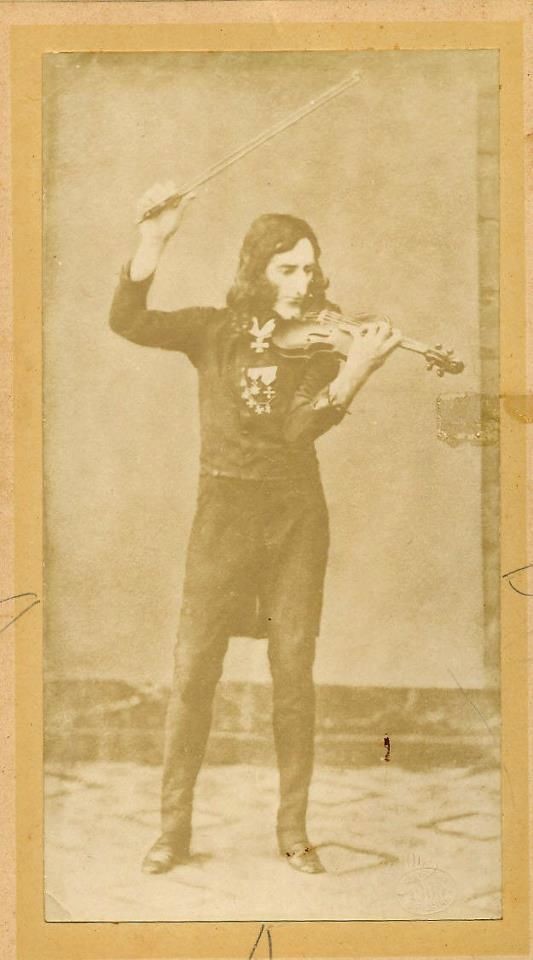
Niccolò Paganini
Most likely, the guitar was strummed by Paganini himself, adding a rustic warmth that evoked moonlit Mediterranean nights.
Yet these sonatas aren’t lightweight divertimentos. They are sophisticated dialogues between virtuosity and vulnerability, demanding precision from the violinist while the guitar provides the harmonic scaffolding.
Don’t let the light style fool you. These sonatas are virtuoso pieces, with Paganini demanding left-hand pizzicato, flying staccato, and harmonics on top of double stops.
Niccolo Paganini: Sonata for Violin and Guitar, Op. 64, No. 2
Candlelit Serenades
We have to return to early 19th-century Lucca, where Paganini moonlighted as court virtuoso to find the heart of the Op. 3 set. These 6 sonatas, tuned down a half-step for that velvety growl, are Paganini at his most seductive.
They are cosy duets, composed for intimate soirées rather than thunderous halls. It’s like candlelit whispers of Italian opera meets street serenade. The violin croons like a lovesick tenor with the guitar strumming a rhythmic heartbeat.
The Op. 3 is like the maestro’s private diary, begging for a modern revival to steal the spotlight from the overexposed Caprices.
Niccolo Paganini: Sonata for Violin and Guitar, Op. 3, No. 4
A Feast of Contrasts
Op. 3 unfolds like a six-course feast of contrasts. Each sonata pairs a dreamy adagio or variation with a zippy allegro or rondo. These compact wonders riff on rustic motifs with improvisatory glee.
Recent revivals on gut strings add a sense of authenticity, and available recordings capture their sun-kissed spark. In our flashy world, these chamber works feel cosy and fresh, blending salon levity with Romantic depth.
The Op. 3 provide a lighter touch, and they remind us that genius thrives in duets as well, not just in dazzling solos.
Niccolò Paganini: Sonata for Violin and Guitar in A Major, Op. 3, No. 5, MS 27 (Luigi Alberto Bianchi, violin; Maurizio Preda, guitar)
Rustic Riffs and Virtuosic Winks
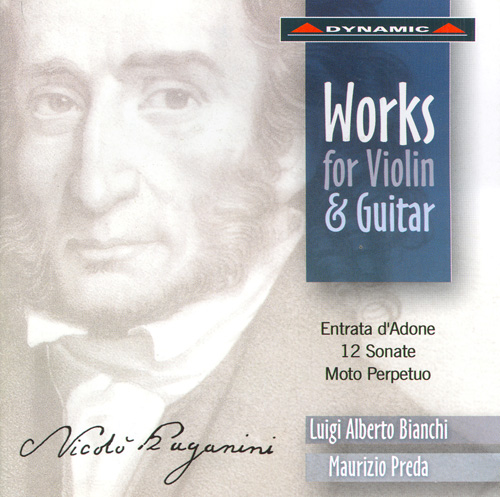
The youthful sparks of Genoa’s fiddling prodigy collected in the Op. 2 set are the cheeky precursors to his more famous Op. 3. They probably date from around 1804, when Paganini was still trying to make a name for himself.
These six sonatas for violin (or viola) and guitar aren’t the polished courtly gems of his later Lucca days. They are raw, folksy romps straight from the streets of Genoa, bursting with the energy of a young virtuoso testing his wings.
This early set captures Paganini’s improvisatory soul, blending rustic dances with sly technical winks, and they’re a delight for anyone craving Paganini without the full Caprice-level sweat.
Niccolò Paganini: Sonata for Violin and Guitar in A Minor, Op. 2, No. 6, MS 26 (Franco Mezzena, violin; Adriano Sebastiani, guitar)
Sunshine and Shenanigans
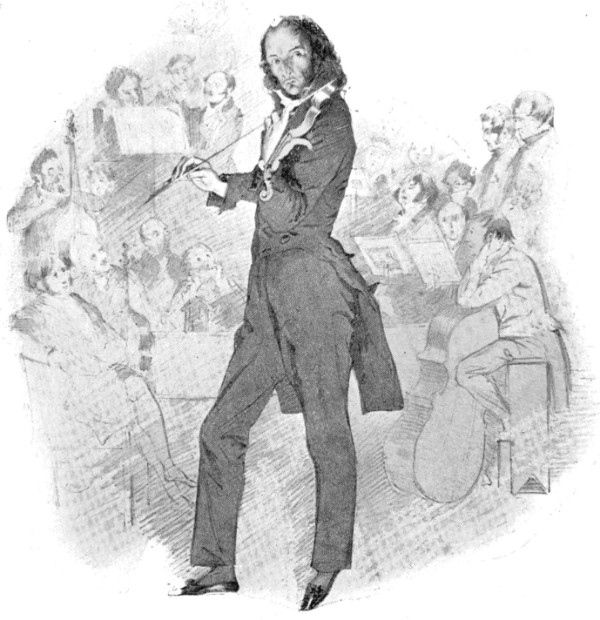
Niccolò Paganini
Each of the Op. 2’s opens with a lively allegro or rondo, followed by a tender adagio or set of variations. Sonata No. 1 bounces in with a theme that’s pure Italian sunshine, while No. 2 gets whimsical with its variations.
Hunting-horn echoes and chromatic twists feature in No. 3, while Nos. 4 through 6 ramp up the drama. Paganini’s bouncy rhythms and peasant-dance vibes mask sneaky challenges like rapid arpeggios and left-hand stretches, all without the thumb-position terror of his Caprices.
The guitar isn’t just backup. It is a co-conspirator, grounding the violin’s aerial antics in earthy warmth. Op. 2 proves the maestro’s magic started with mischief, not just myth, inviting us all to fiddle along with history’s hottest young gun.
Niccolò Paganini: Sonata for Violin and Guitar, Op. 2, No. 5
Love in Miniature
In his later years, amid health battles and quiet reflections, Paganini had mellowed into a composer of poignant miniatures, with Op. 63 and 64 taking on the roles of encores.
These aren’t the youthful romps of his guitar sonatas or the quartet frolics but intimate gems that showcase a tender side often buried under Caprice legends.
Op. 63, the Duetto Amoroso (MS 111, ca. 1836) is Paganini’s valentine to chamber intimacy. Blending lyrical beauty with virtuoso flair, the “Amoroso” radiates a warm and romantic character with its tender melodies and delicate interplay between the instruments, evoking a sense of heartfelt dialogue.
Its title, meaning “loving” or “amorous” in Italian, perfectly captures the piece’s expressive core, as it weaves a narrative of passion and sensitivity through its elegant phrases. Individual movements carry tender subtitles and the set is a favourite among performers who wish to explore Paganini’s more introspective side.
Niccolò Paganini: Duetto amoroso, Op. 63, MS 111 (Franco Mezzena, violin; Adriano Sebastiani, guitar)
Patchwork Brilliance
The collection of 18 sonatas for violin and guitar titled Centone di Sonata, Op. 64 blend virtuosic flair with the elegance of classical influences. Likely composed in the 1820s during Paganini’s travels across Europe, the title evokes a patchwork or medley of sonata forms drawn from earlier masters.
The set unfolds as a series of intimate dialogues between the violin’s soaring melodies and the guitar’s resonant, plucked textures, creating a mosaic of moods from the brooding “Introduzione” and majestic “Allegro Maestoso” of the first sonata to the playful “Rondoncino finale.”
Far from mere exercises, these sonatas capture Paganini’s ability to infuse borrowed motifs with fresh vitality, making Op. 64 a hidden treasure for performers seeking to explore his more collaborative and reflective side. Though less celebrated than his solo caprices. Op. 64 reveals a Paganini who thrives in partnership, crafting music that invites listeners into a world of lyrical intimacy and structural ingenuity.
Niccolò Paganini: Centone di sonate, Op. 64, MS 112: Sonata No. 3 in C Major (Moshe Hammer, violin; Norbert Kraft, guitar)
Virtuosity in Partnership
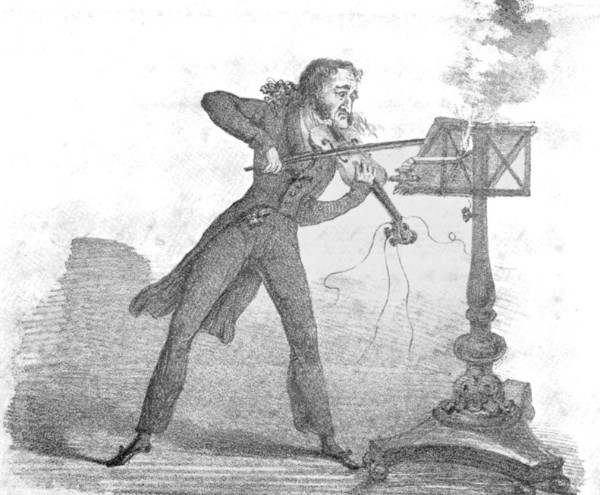
Niccolò Paganini
Niccolò Paganini’s sonatas for violin and guitar form a remarkable collection that highlights his virtuosic command of both instruments and his ability to craft intimate, expressive chamber music.
These works, composed largely during the 1820s and his later years, reflect Paganini’s dual mastery as a violinist and guitarist, blending technical brilliance with lyrical sensitivity. Unlike his more famous solo violin caprices, these sonatas emphasise collaboration, with the violin and guitar engaging in a dynamic interplay of melody and accompaniment.
They are a testament to his versatility as a composer and performer, combining classical forms with his signature virtuosity. Paganini composed music that is both technically challenging and emotionally engaging. For listeners, they provide a window into Paganini’s multifaceted genius, balancing the fiery showmanship of his solo works with the tender, collaborative spirit of these duets.
For more of the best in classical music, sign up for our E-Newsletter