
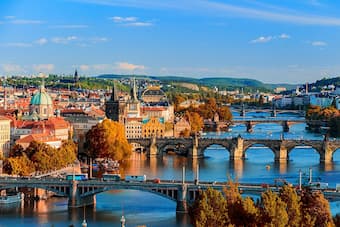
If you are looking for perhaps the most famous river journey ever sounded in music, look no further than Bedřich Smetana’s Vltava (The Moldau). The idea of turning the Vltava River into a tone poem occurred to Smetana in August
Smetana
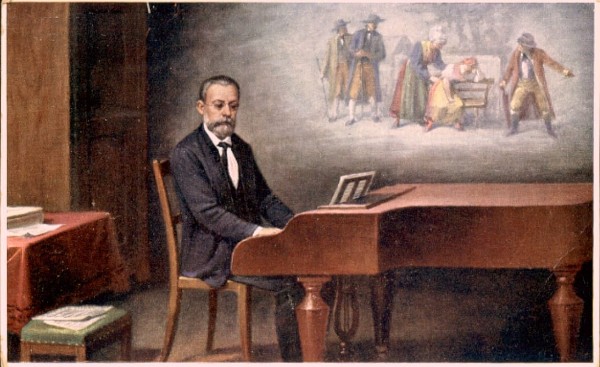
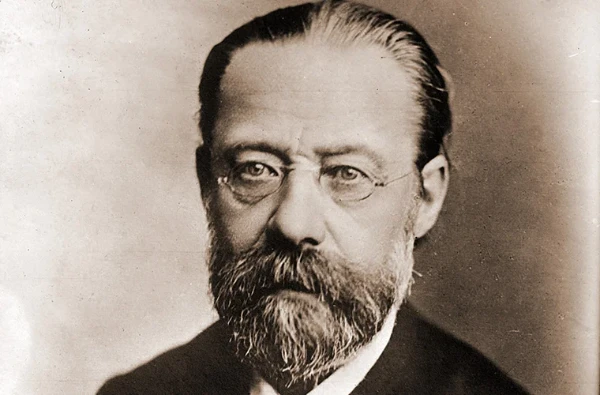
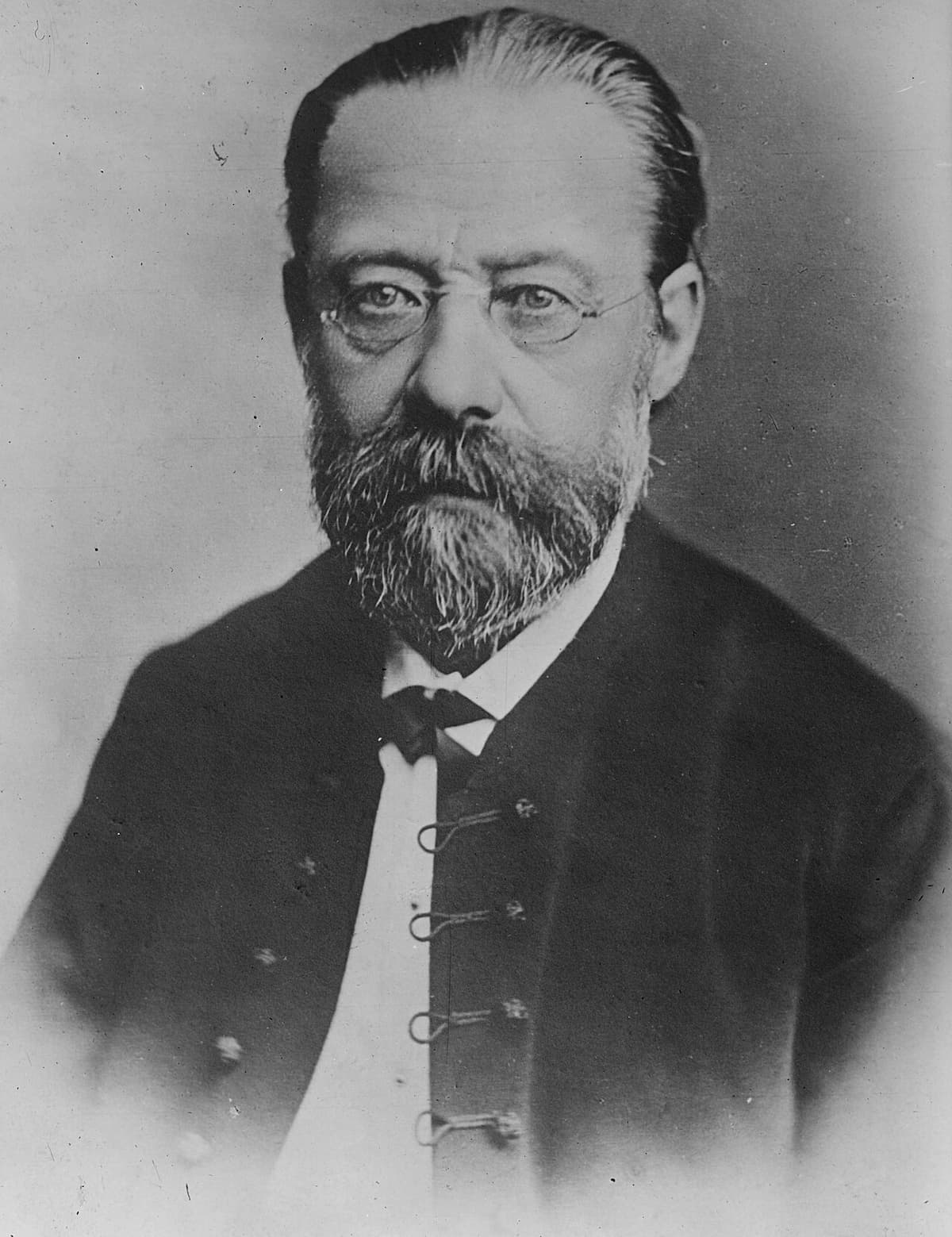
We often regard Bedřich Smetana (1824–1884) as the father of Czech music, a pivotal figure in establishing a national identity through his compositions. While he is probably best known for his operas like The Bartered Bride and his orchestral works
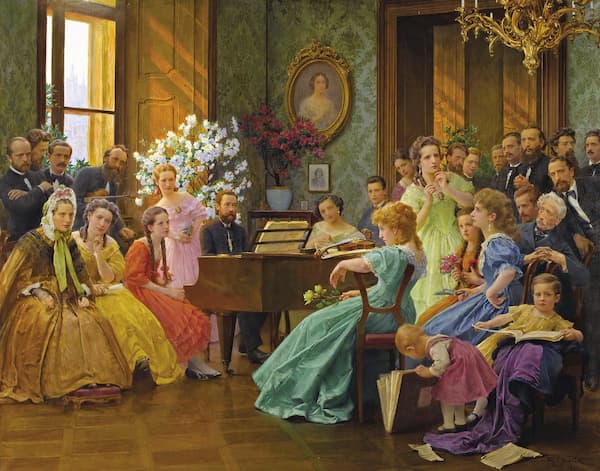
Bedřich Smetana is often hailed as the father of Czech music. In his orchestral masterpieces like Má Vlast, he offers a delightful window into his melodic genius and his emotional connection to his homeland. His compositions for piano are less
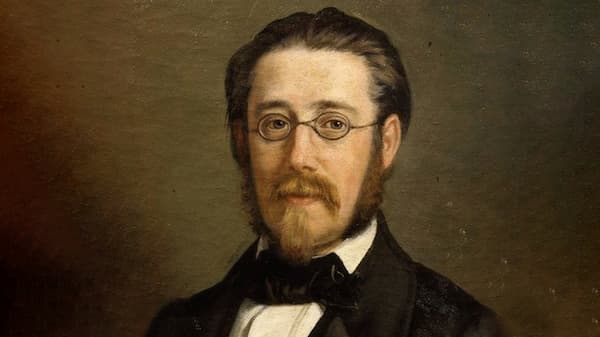
I’ve always loved music that tells a story, because it captures the human experience in all its raw beauty and complexity. Music can paint vivid pictures with melody and rhythm, with each note a thread in the tapestry of a
The Provisional Theatre in Prague opened in 1862 as a temporary home for Czech drama and opera until a permanent National Theatre could be built. This venerable institution staged well over 5,000 performances over a 20 year span, and featured
Political stirrings of national identity and pride ignited a great awakening across Europe in 1848. Urging an end to Habsburg absolutist rule, the Czech composer Bedřich Smetana (1824-1884) openly participated in this revolution. Barely escaping arrest, and unable to establish
The conductor Adolf Čech (1841-1903) premiered a number of significant works by Antonín Dvořák, Zdeněk Fibich, and Bedřich Smetana. Such was the case on 4 April 1875, when he took the podium with the Orchestra of the Prague Provisional Theatre
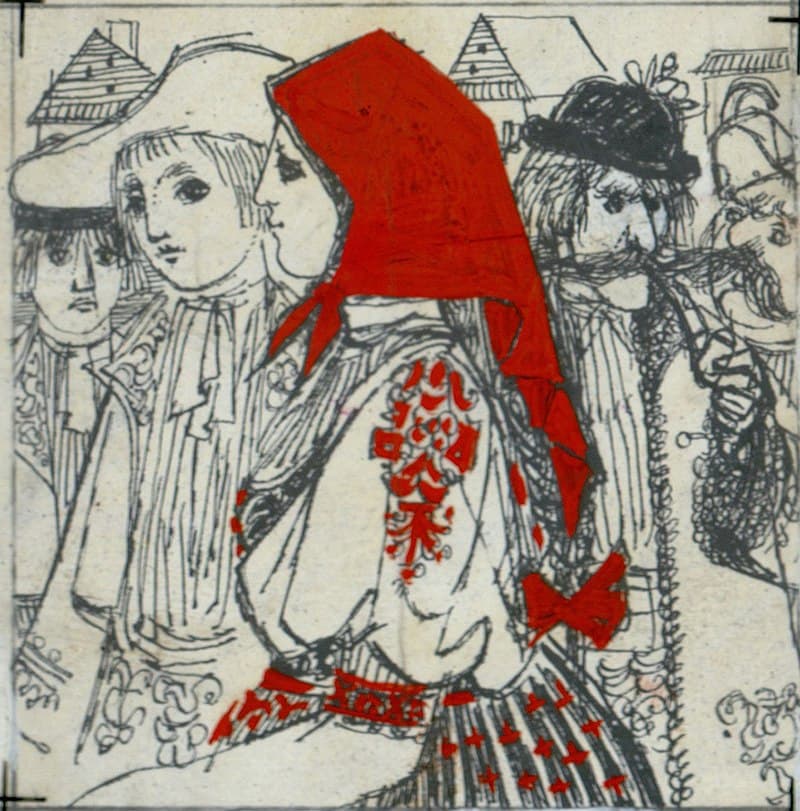
The Czech composer Bedřich Smetana (1824-1884) wrote his comic opera The Bartered Bride between 1863 to 1866 about the hard path true love takes to thwart ambitious parents and a marriage broker. Mařenka is to be married to the son