Radu Lupu’s rise to international stardom was not the result of one lucky break. It was built on a sequence of landmark competition wins that marked him out very early as an exceptional talent.
In a remarkably short span, Lupu won three of the most prestigious piano competitions in the world: the Van Cliburn in 1966, the George Enescu in 1967, and the Leeds International in 1969.
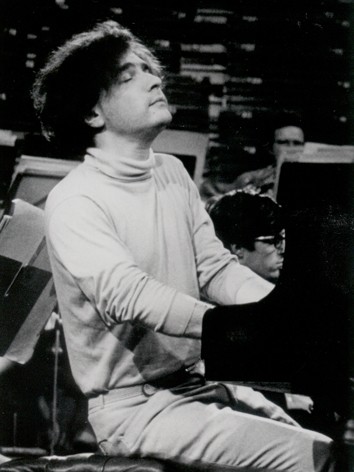
Radu Lupu
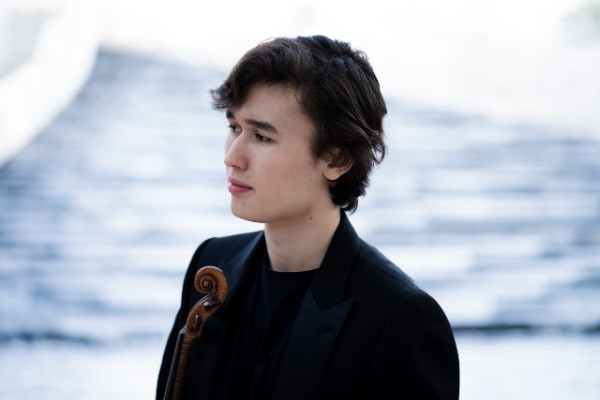
To celebrate his 80th birthday on 30 November 1945, let’s take a look at the victories that not only confirmed his mastery but also launched him onto the world stage.
Radu Lupu performs Mozart: Piano Concerto No. 23, K. 488
Van Cliburn Triumph
Lupu’s breakthrough came in 1966, when he won the 2nd Van Cliburn International Piano Competition, held in Fort Worth, Texas. At that time, the Cliburn was already one of the most high-profile competition platforms for young pianists.
Winning it gave Lupu both prestige and immediate international exposure. He also won special prizes for the best performance of a newly commissioned work and for a movement of Aaron Copland’s Piano Sonata.
The Cliburn victory came with a concert tour of international engagements, and Lupu made his New York debut in April 1967. Remarkably, Lupu remained modest and somewhat reluctant.
According to his own later reflections, he did not particularly enjoy competition. He saw them as nerve-wracking, and his reaction to the win was almost one of relief.
Radu Lupu performs Prokofiev: Piano Concerto No. 2, “Andantino-Allegretto” (Van Cliburn)
Homecoming Victory
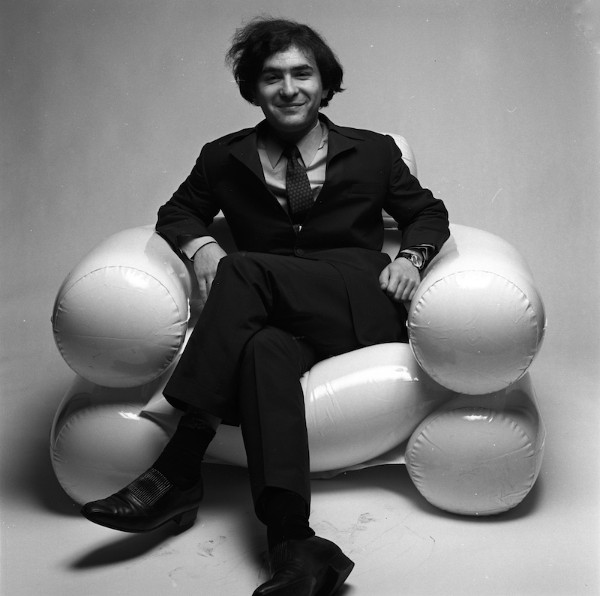
Radu Lupu
Only a year after his Cliburn success, Lupu won the George Enescu International Piano Competition in 1967. This victory carried special weight, not only because Enescu was Romania’s most celebrated composer, but because winning on home soil cemented Lupu’s reputation in Romania and Eastern Europe.
The Enescu Competition win demonstrated that Lupu wasn’t just a Western competition celebrity, but was deeply rooted in his Romanian musical heritage. This was important both culturally and professionally.
On one hand, Lupu gained strong support and recognition in his own country, and on the other, he proved to international audiences and promoters that he had broad and serious artistic credentials, not just flashy technique.
The Enescu prize bridged two worlds. It agreed with his artistic identity as a lyrical, contemplative and deeply musical artist, and gave him credibility among Eastern European musical circles.
Radu Lupu performs Bach: Prelude and Fugue in B-flat minor, BWV 867 (Enescu Competition 1967)
The Final Ascent
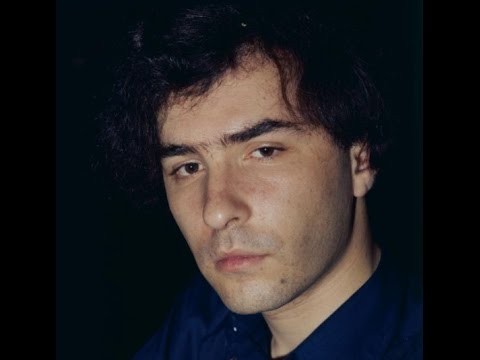
Radu Lupu
If the Cliburn and Enescu established Lupu’s name, the Leeds International Piano Competition in 1969 truly confirmed his arrival among the world’s elite pianists. In the Leeds final, he played Beethoven’s Piano Concerto No. 3 with the Royal Liverpool Philharmonic under Charles Groves, showcasing his ability as a soloist and orchestral collaborator.
Winning Leeds had tremendous symbolic and practical power. Leeds was, and remains, one of the most respected competitions in Europe, and its jury and audience understood that Lupu was a deeply thoughtful and mature artist.
His playing was already noted for its poetic quality and his ability to convey inner life and depth, traits that would become hallmarks of his career. Shortly after his Leeds victory, in November 1969, Lupu gave his solo recital debut in London with critics recognising that he brought “what seemed like a lifetime’s experience even at this young age.”
The Leeds win also opened the door to recording opportunities. Not long afterwards, he began recording for Decca, launching a partnership that would define much of his discography.
Radu Lupu plays Schubert and Chopin: Leeds Competition 1969 and Leeds Town Hall 1970
Early Triumphs, Lifelong Resonance
Although the competition victories were early in his life, their impact lasted for decades. They gave Lupu the credibility, visibility, and professional infrastructure to build a long and distinguished career.
Even as he became known for his reclusive nature, his reluctance to give interviews, and his deeply introspective performances, the momentum from those early years never faded.
In the years that followed, he remained deeply philosophical about music. In rare interviews, he spoke about his belief that “everyone tells a story differently, and that story should be told compellingly and spontaneously.”
His understated stage presence, famously using an office chair rather than a traditional piano bench, was part of his mystique, but ultimately his legacy was built on the musical sincerity first recognised by competition juries.
When he retired in 2019 and then passed away in 2022, reflections on his life always pointed back to those first major successes. Gramophone, in its obituary, noted how those wins “launched” him into a global career.
For more of the best in classical music, sign up for our E-Newsletter