Karl Böhm, born on 28 August 1894 in Graz, Austria, stands as one of the 20th century’s most distinguished conductors. His profound interpretations of the Austro-German repertoire earned him a towering legacy in the world of classical music.
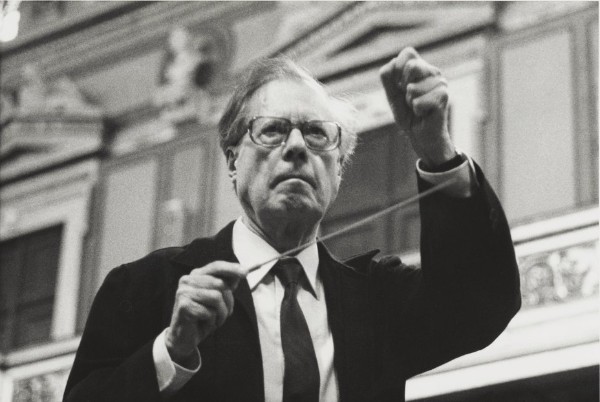
Karl Böhm
Groomed by Bruno Walter, his meticulous yet deeply expressive conducting style brought unparalleled clarity and emotional resonance to his performances. Böhm’s tenure with the Vienna Philharmonic, Dresden State Orchestra, and at the Bayreuth Festival showcased his ability to elicit both technical precision and visceral intensity from musicians.
His career, spanning over five decades, lives on in his extensive discography and his role as a cultural ambassador who bridged the romantic traditions of the 19th century with the evolving musical landscape of the 20th century. On the occasion of his birthday on 28 August, let us sample some of his most iconic performances and recordings.
Karl Böhm conducts Beethoven: Symphony No. 6 in F Major, Op. 68
Luminous Magic Flute
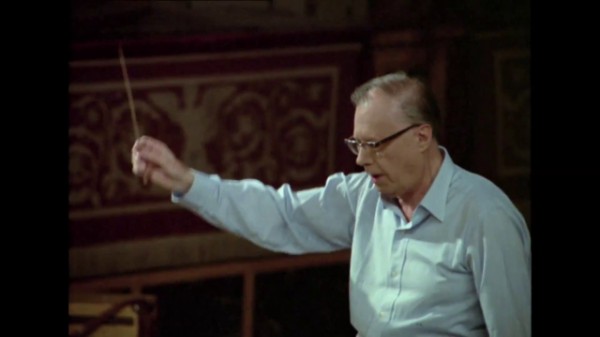
Karl Böhm
Karl Böhm’s 1964 recording of Mozart’s Die Zauberflöte with the Berlin Philharmonic stands as a radiant jewel in the operatic discography, a testament to his unparalleled affinity for Mozart’s mercurial genius. Conducting with a clarity that seems to illuminate every facet of the score, Böhm strikes a delicate balance between the opera’s fairy-tale whimsy and its profound Masonic undertones.
Böhm’s pacing is unerring, allowing the drama to unfold with a natural ebb and flow, never rushed yet brimming with vitality, making this recording a touchstone for Mozart’s operatic masterpiece.
What elevates this Zauberflöte beyond mere performance is Böhm’s ability to weave the opera’s disparate threads, its comedic verve, spiritual depth, and emotional intimacy, into a cohesive, transcendent whole. The conductor’s attention to orchestral detail ensures that Mozart’s score breathes, from the solemn trombones of the priests’ choruses to the sparkling glockenspiel that accompanies Papageno’s magic bells.
Wolfgang Amadeus Mozart: Die Zauberflöte (The Magic Flute), K. 620 (Hildegard Hillebrecht, soprano; Roberta Peters, soprano; Evelyn Lear, soprano; Rosl Schwaiger, soprano; Antonia Fahberg, soprano; Lisa Otto, soprano; Raili Kostia, contralto; Cvetka Ahlin, mezzo-soprano; Sieglinde Wagner, mezzo-soprano; Friedrich Lenz, tenor; Fritz Wunderlich, tenor; Dietrich Fischer-Dieskau, baritone; Franz Crass, bass; RIAS Chamber Chorus; Berlin Philharmonic Orchestra; Karl Böhm, cond.)
Electrifying Don Juan
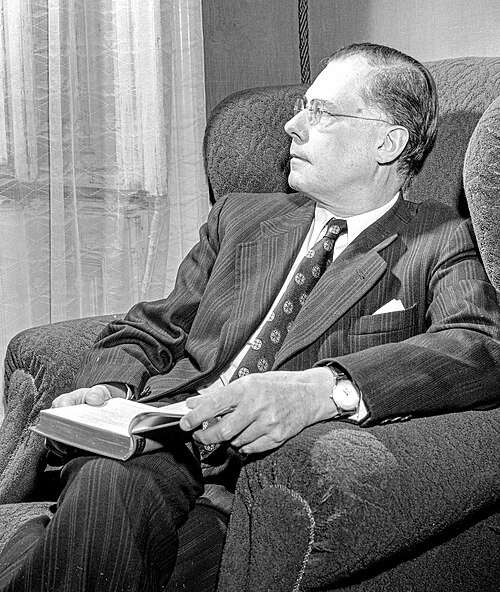
Karl Böhm
Karl Böhm’s 1970 recording of Richard Strauss’s Don Juan with the Berlin Philharmonic is an electrifying testament to his mastery of the composer’s vivid orchestral palette and dramatic flair. From the opening bars, Böhm unleashes the tone poem’s swaggering energy with a propulsive drive that captures the impetuous spirit of the legendary seducer.
Böhm’s genius lies in his ability to navigate the score’s mercurial shifts, from the fiery bravado of Don Juan’s conquests to the tender, fleeting moments of lyricism that hint at vulnerability, without ever losing its narrative thread.
Böhm’s Don Juan is more than a technical triumph; it is a vivid character study, imbued with the conductor’s deep understanding of Strauss’s theatrical instincts. He revels in the music’s extroverted bravura but never allows it to descend into bombast, maintaining a taut, forward momentum that mirrors the Don’s relentless pursuit of pleasure.
Richard Strauss: Don Juan, Op. 20, TrV 156 (Berlin Philharmonic Orchestra; Karl Böhm, cond.)
Haunting Unfinished
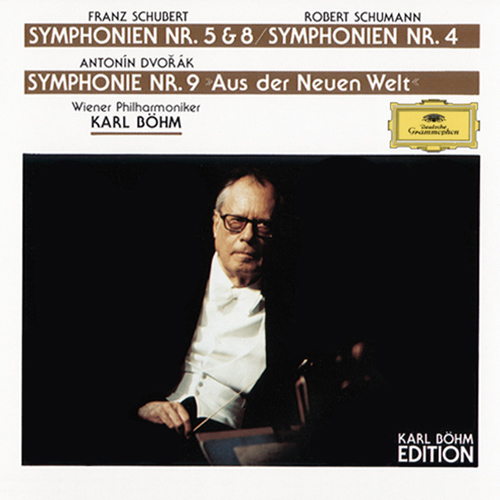
Karl Böhm’s 1973 recording of Franz Schubert’s “Unfinished,” with the Vienna Philharmonic, is a luminous and deeply affecting interpretation that captures the work’s haunting beauty and enigmatic power. Böhm, conducting with his characteristic clarity and emotional restraint, allows Schubert’s music to speak with profound intimacy, drawing out the symphony’s lyrical warmth and brooding intensity.
Böhm’s pacing is unhurried yet purposeful, giving each phrase room to breathe, as if tracing the contours of a landscape both familiar and mysterious. The famous B-minor theme unfolds with a hushed reverence, building to climaxes that are powerful yet never overwrought, preserving the music’s delicate balance of hope and melancholy.
Böhm’s genius in this recording lies in his ability to convey the symphony’s emotional depth without tipping into sentimentality, letting Schubert’s unfinished masterpiece stand as a testament to its own unresolved beauty. His attention to dynamics and phrasing brings out the score’s subtle shifts, capturing the elusive essence of Schubert’s vision with clarity and depth.
Franz Schubert: Symphony No. 8 in B Minor, D. 759, “Unfinished” (Vienna Philharmonic Orchestra; Karl Böhm, cond.)
Transcendent Requiem
In his performances of the Mozart Requiem, Karl Böhm marries visceral intensity with reverent clarity to illuminate the work’s profound spiritual and emotional depths. Conducting with a masterful blend of urgency and restraint, Böhm captures the Requiem’s duality, its towering majesty and intimate vulnerability, allowing the music to unfold with gripping immediacy.
Böhm manages to balance the cosmic scale of the composition with moments of heart-stopping intimacy, creating a performance that feels both universal and deeply personal.
Böhm’s Requiem is not merely a performance but a spiritual journey, one that confronts mortality with unflinching honesty while offering glimpses of transcendence, leaving listeners profoundly moved by Mozart’s eternal lament.
Karl Böhm’s recordings stand as enduring testaments to his genius as a conductor, revealing a musician whose clarity of vision and emotional insight brought the Austro-German repertoire to vibrant life. Böhm’s legacy, etched in these iconic performances, continues to resonate, inviting us to rediscover the timeless beauty and humanity of these musical monuments.
For more of the best in classical music, sign up for our E-Newsletter