Antonio Vivaldi, the fiery Venetian composer and master of the Italian Baroque, is best known for his Four Seasons, a masterpiece that has captivated audiences for centuries with its vivid musical storytelling. It’s a breathtaking celebration of the changes of the seasons woven into four vibrant violin concertos that pulse with vivid imagery and deep emotions.
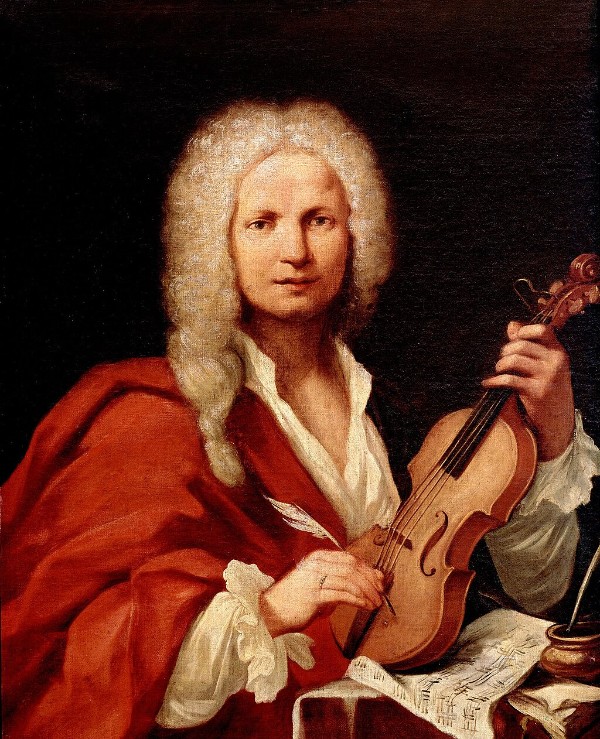
Antonio Vivaldi
However, beyond this iconic set of concertos lies a treasure trove of lesser-known concertos that shimmer with the same brilliance, ingenuity, and emotional depth. After all, Vivaldi built a vast catalogue of over 500 concertos.
From sparkling works for unconventional instruments to deeply expressive compositions that rival his most celebrated pieces, these overlooked concertos offer a fresh perspective on a composer whose genius continues to surprise. Join us as we uncover the brilliance of 10 hidden concertos that rival the famous Four Seasons.
Antonio Vivaldi: Concerto for 2 Violins in A minor, RV 523
Flute Concerto in F Major, RV 433 “La tempesta di mare” (The Storm at Sea)
The Flute Concerto RV 433, known as La Tempesta di Mare (The Storm at Sea), is a dazzling showcase for Vivaldi’s flair for vivid musical storytelling. This lesser-known gem, part of Vivaldi’s Op. 10 collection published in 1728, captures the untamed spirit of a stormy sea with a brilliance that easily rivals his more famous Four Seasons.
From the outset, the concerto bursts into life with rapid, swirling passages in the strings, evoking the churning waves and gusting winds of a tempest. The solo flute, agile and expressive, dances atop this turbulent backdrop, its bright, piercing tones cutting through like a ship’s prow slicing through stormy waters. Vivaldi beautifully balances drama with elegance, crafting a soundscape that feels both chaotic and meticulously controlled.
Vivaldi transports the listeners into a cinematic seascape while showcasing the innovative approach to the flute as a solo instrument. Though less celebrated than The Four Seasons, this concerto is no less evocative, offering a thrilling journey through nature’s wild beauty.
Oboe Concerto in C Major, RV 450
A sparkling jewel among his lesser-known works, Vivaldi’s Oboe Concerto RV 450 radiates with the exuberance and the lyrical charm that define his finest compositions. Composed during the height of his creative output in the early 18th century, this concerto showcases the oboe’s warm, reedy voice in a vibrant dialogue with the strings.
Vivaldi crafts music that feels both intimate and exhilarating, with the oboe weaving nimble and soaring melodies that dance like sunlight on a rippling stream. The strings provide a lively, pulsating foundation, their crisp rhythms and bright harmonies amplifying the oboe’s expressive power, creating a soundscape that feels alive with joy and motion.
RV 450 stands as a testament to Vivaldi’s innovative spirit, transforming the oboe, which was often used as a mere supporting voice in Baroque ensembles, into a charismatic soloist capable of carrying an entire concerto. Though overshadowed by his more famous works, this concerto is a vibrant showcase for Vivaldi’s ability to blend technical brilliance with vivid emotional storytelling.
Antonio Vivaldi: Oboe Concerto in C Major, RV 450 (Albrecht Mayer, oboe; I Musici, ensemble)
Bassoon Concerto in E minor, RV 484
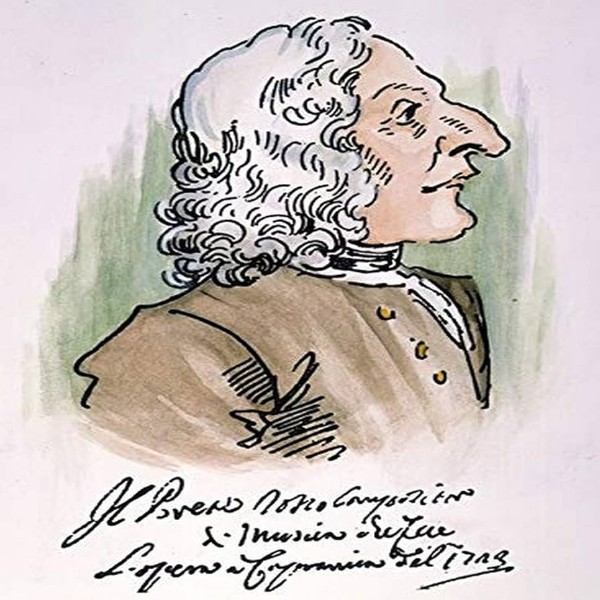
Antonio Vivaldi’s caricature, 1723
Antonio Vivaldi composed 39 concertos for the bassoon, and RV 484 pulses with a dramatic flair and emotional depth that mark the composer’s finest work. Likely composed during Vivaldi’s prolific tenure in Venice, this concerto transforms the bassoon, which was often relegated to orchestral support, into a commanding solo voice.
For the very beginning, RV 484 immerses listeners in a world of brooding intensity, with the strings restlessly driving the rhythm and setting a stormy stage for the rich and resonant melodies of the bassoon. The instrument’s warm and woody timbre weaves through the ensemble with remarkable agility.
While the first movement captures the city’s dramatic skies and shimmering canals in sound, the second movement balances light and shadow in an almost personal dialogue. The concluding “Allegro” sparkles like a spirited dance, and some performers describe this work as “beautifully elegant and expressive, so Venetian in its vibrant character.”
Cello Concerto in G minor, RV 416
One of the striking yet underappreciated works from Vivaldi’s vast catalogue is the Cello Concerto RV 416. Likely composed during the 1720s, the work pulses with a fiery intensity and lyrical depth that define Vivaldi’s mastery of the Baroque concerto.
This concerto elevated the cello into a voice of commanding presence and emotional nuance. From its opening measures, RV 416 captivates with a taut, driving energy, the strings laying down a restless, almost turbulent foundation that sets the stage for the cello’s bold entrance.
The rich and resonant tone of the cello weaves through the ensemble with a blend of virtuosic flair and soulful expressiveness that showcases Vivaldi’s genius in crafting music that feels both dramatic and deeply human. Vivaldi transforms the cello into a soloist capable of rivalling the violin in expressiveness and agility.
Antonio Vivaldi: Cello Concerto in G minor, RV 416 (Luca Fiorentini, cello; L’Offerta Musicale)
Concerto for Viola d’amore and Lute in D minor, RV 540
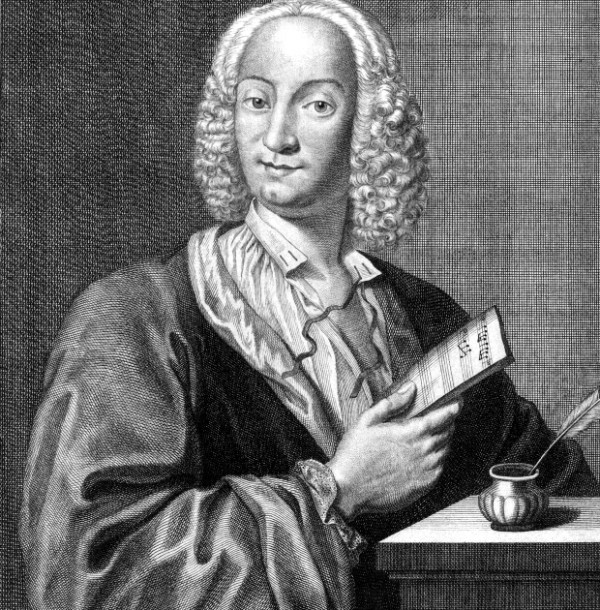
Antonio Vivaldi
As we are exploring Vivaldi’s lesser-known treasures, let’s feature a luminous masterpiece scored for Viola d’Amore and Lute. Vivaldi blends the viola’s warmth with the lute’s crystalline clarity in a way that feels both exotic and deeply expressive.
This concerto, part of Vivaldi’s collection for the Ospedale della Pietà, pairs the warm and resonant viola d’amore with the delicate, plucking tones of the lute. This creates a sonic tapestry that is both refined and deeply evocative.
This concerto shines with its understated elegance, the strings establishing a gentle, flowing pulse that invites the soloists to weave their lyrical voices into a conversation that feels both tender and profound. The interplay between the two soloists is mesmerising as Vivaldi crafts one of his most poignant slow movements.
Concerto for 2 Oboes in D minor, RV 535
As we venture beyond The Four Seasons, the Concerto for Two Oboes RV 535 is a vibrant discovery. It is a work of fiery passion and delicate beauty that captures the essence of Vivaldi’s genius.
RV 535 stands as a captivating showcase of Vivaldi’s ability to craft compelling dialogues within the concerto form. This concerto pairs two oboes in a thrilling interplay, their reedy and expressive voices weaving together with a blend of fiery virtuosity and poignant lyricism.
Vivaldi’s writing is bold and inventive, allowing each oboe to shine individually while blending their voices in moments of thrilling unity. The strings relentlessly amplify the drama, creating a sense of forward motion that sweeps listeners along in its wake. This concerto is a testament to Vivaldi’s skill in crafting music that is both technically dazzling and emotionally resonant.
Grande Ensemble
Vivaldi was a master at crafting concertos for diverse instrumental ensembles, just listen to the Concerto for Violin, Two Oboes, Bassoon, and Two Horns, RV 569. A vibrant and richly textured work, the concerto was likely composed for the virtuosic musicians of the Ospedale della Pietà.
The unusual combination of solo instruments creates a kaleidoscopic soundscape, blending the violin’s lyrical agility, the oboes’ piercing expressiveness, the bassoon’s warm depth, and the horns’ bold, brassy flourishes.
RV 569 simply radiates festive energy, with the strings and continuo laying down a spirited foundation that sets the stage for a thrilling instrumental dialogue. What a delightful example of Vivaldi’s genius for balancing complexity with sheer exuberance. This is music both complex and irresistibly engaging, another hidden treasure in his concerto catalogue.
Antonio Vivaldi: Concerto for Violin, 2 Oboes, Bassoon and 2 Horns in F Major, RV 569 (Neil Black, oboe; Celia Nicklin, oboe; Timothy Brown, horn; Robin Davis, horn; Iona Brown, violin; Kenneth Heath, cello; Christopher Hogwood, harpsichord; Colin Tilney, organ; Academy of St. Martin in the Fields Orchestra; Neville Marriner, cond.)
Concerto for Flautino in C Major, RV 443
Among the concertos for woodwind instruments, the Concerto for Recorder, RV 443, is a compact and expressive jewel, full of virtuosic flair. Written for the sopranino recorder, the highest and most agile member of the recorder family, the concerto showcases Vivaldi’s skill at writing music that is technically dazzling and emotionally engaging.
Although the instrument itself is small and often underestimated, Vivaldi treats it as a dramatic solo voice capable of surprising nuance and fire. The energy is relentless, and the writing suggests a kind of cheerful defiance, as if Vivaldi were purposefully showing how much character he could wring from this tiny, bird-like instrument.
RV 443 is a testament to Vivaldi’s creative daring. He takes an instrument with a modest reputation and turns it into something extraordinary. It offers a fresh perspective on the expressive and technical range of the recorder, all wrapped in Vivaldi’s unmistakable rhythmic vitality and melodic invention.
Concerto for Mandolin in C Major, RV 425
The Concerto for Mandolin, RV 425, is a delightful and distinctive gem in Vivaldi’s vast catalogue, offering a fresh sound world shaped by the crisp and plucked textures of this delightful instrument.
It was written during a time when the instrument was gaining popularity across Europe, and it shows Vivaldi’s typical flair for highlighting the unique character of his soloist. It is a concise concerto, but within that brevity lies an extraordinary amount of charm, invention, and subtle drama.
While the opening “Allegro” grabs our attention with its buoyant energy and sparkling textures, the “Largo” is a moment of serene beauty. There is plenty of rustic vigour in the concluding “Allegro” as the mandolin darts through lively figures and folk-inspired idioms. The work is a perfect example of Vivaldi’s ability to tailor his musical voice to any instrument.
Violin Concerto in E minor, RV 277 “Il Favorito”
The Violin Concerto RV 277, affectionately nicknamed “Il Favorito”, stands as one of his most emotionally gripping and technically demanding works for solo violin. Unlike the more frequently performed Four Seasons, this work simmers with a darker and much more introspective energy.
Vivaldi certainly captures the dramatic possibilities of the minor mode with refined elegance and expressive fire. Its nickname, perhaps by Vivaldi himself or his audiences, hints at the special status of the concerto. It is a work that is as much a display of virtuosity as it is a vehicle for deep emotional storytelling.
In the shadow of Vivaldi’s renowned The Four Seasons, these ten hidden concertos reveal the Venetian maestro’s boundless creativity and emotional depth, offering a fresh perspective on his genius. Dive into these overlooked treasures and let Vivaldi’s brilliance surprise and enchant you anew.
For more of the best in classical music, sign up for our E-Newsletter