
For classical music lovers, there’s often something deeply moving about seeing instruments once played by the musicians and composers of the past. Whether it’s a violin crafted by Stradivari, a clavichord from the Baroque era, or a grand piano once
December, 2025
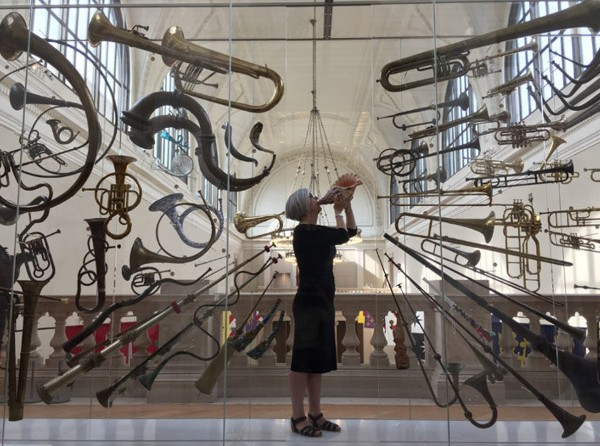

In his recently released album Nambé, Dutch composer Peter Lieuwen looks at the world around him and uses the sights and sounds of nature for inspiration. His music brings in elements of jazz, rock, and world music. A commission by
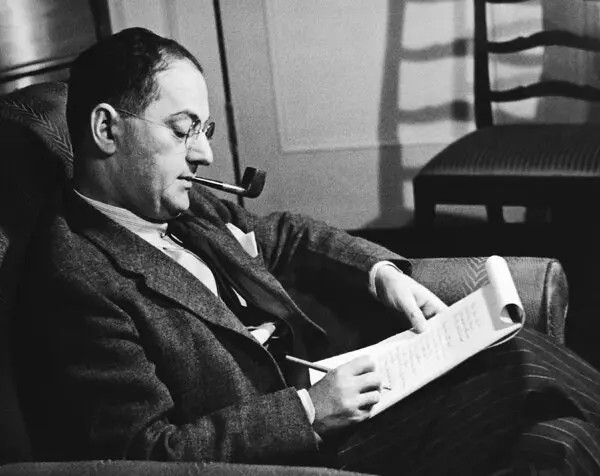
Every 6 December carries a faint whiff of sophistication. There is a touch of verbal sparkle in the air, supported by the soft rustle of a rhyme so neatly tailored that it could double as interior décor. Why? Because this
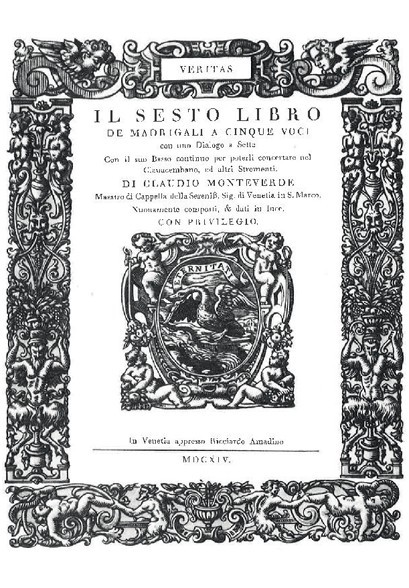
In his 6th book of madrigals of 1614, Claudio Monteverdi was showing that he’d finally arrived. The title page proudly indicates his new position in Venice: ‘by Claudio Monteverdi, Maestro di Cappella of the Most Serene Signoria of Venice in
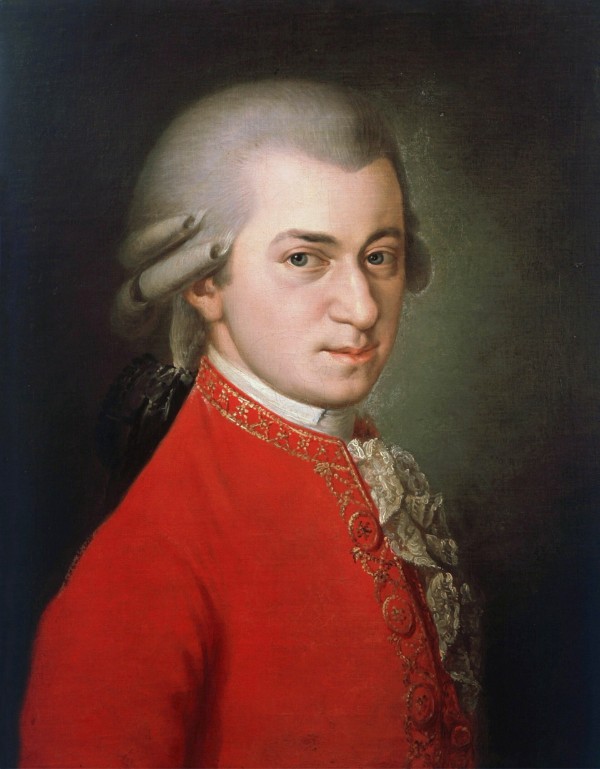
We often think of Mozart’s chamber music in terms of refinement, invention, and that marvellous balance between intellect and emotion. Yet, among his chamber works, the string quintets occupy a singular, radiant place. They are less frequently discussed than the
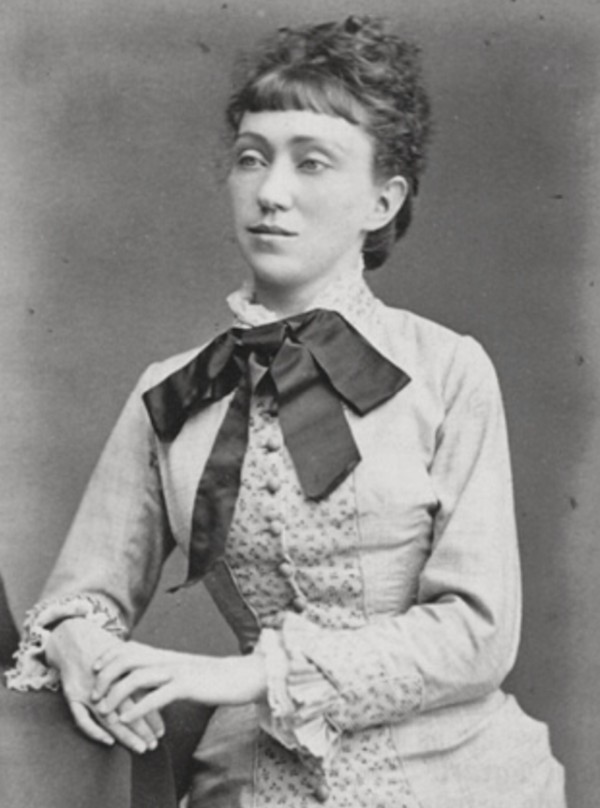
Who was the first woman conductor? There are several candidates, but one of the best-known early ones was a woman from present-day Slovakia named Josephine Amann-Weinlich. Over the course of her brief career, she founded multiple women’s orchestras, toured the
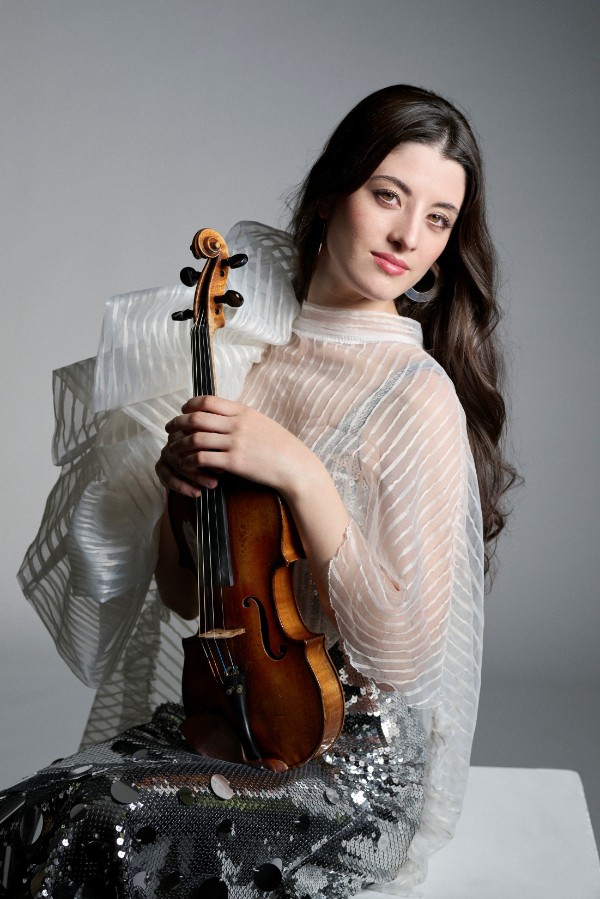
Social media is often celebrated as a revolutionary connector, yet its reality is paradoxically anti-social. It encourages constant display rather than genuine dialogue, rewarding visibility over depth and performance over reflection. Not everyone who uses these platforms is a visionary
Music has the power to move us, inspire us, and even heal us. Among all musical genres, classical music holds a unique place in influencing our emotions and cognitive functions. But why does listening to composers like Mozart, Beethoven, or