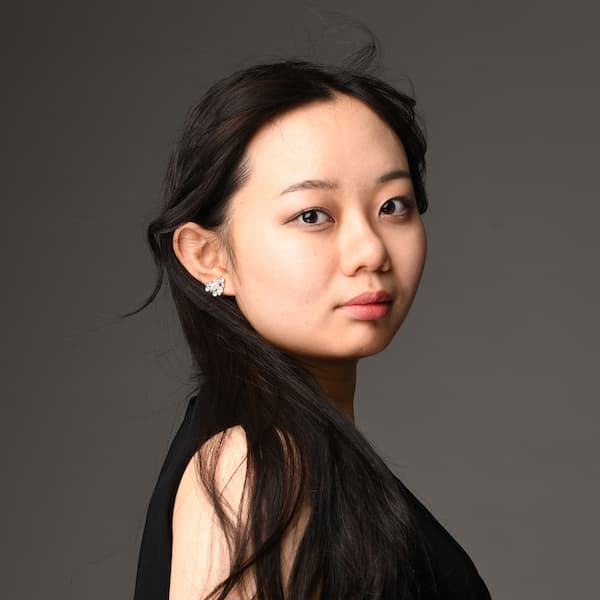
After the rigorous opening stages and the announcement of semi-final results, the 12th Hamamatsu International Piano Competition took a well-deserved rest. Well, not everybody had that kind of luxury, of course. When I ran into one of the finalists during
November, 2024
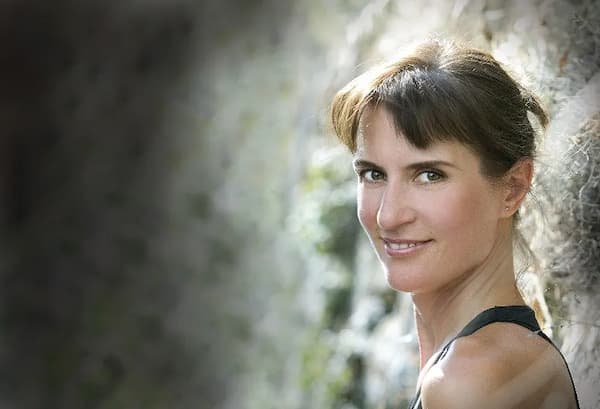
Violinist Viktoria Mullova won first prize at the prestigious Sibelius Competition in Helsinki in 1980 and two years later captured the Gold Medal at the Tchaikovsky Competition in Moscow in 1982. Winning at the Tchaikovsky brought her international fame, but
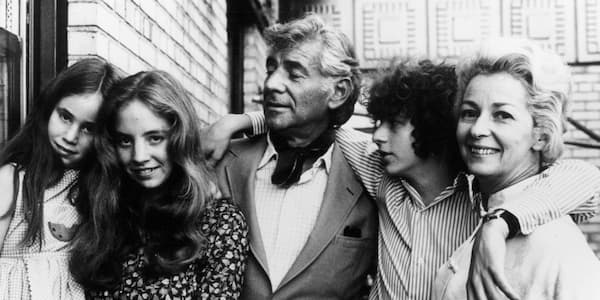
Leonard Bernstein – composer, conductor, pianist, educator, and more – is remembered as one of the greatest American musicians of all time. His voracious appetite for art extended to his love life. He had many relationships with men, but he
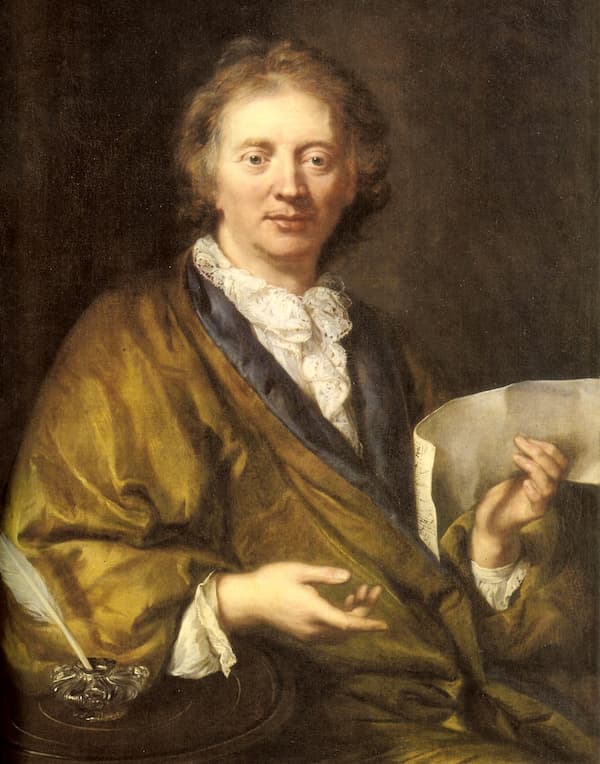
François Couperin (188–1733) ranks with J.S. Bach and Dominico Scarlatti as one of the most prolific harpsichordists of his time. He was known as Couperin the Great, to differentiate him from the multiple other members of the Couperin family. His
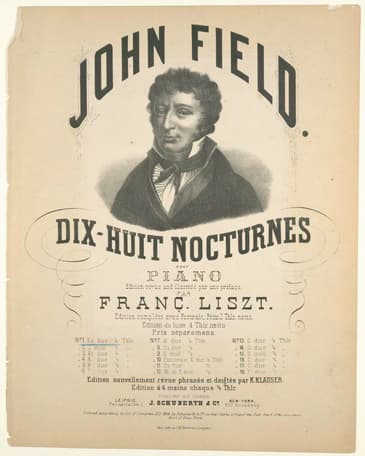
Franz Joseph Haydn is considered the father of the symphony, and John Field (1782-1837), the father of the Nocturne. Although Field was born somewhere between Beethoven and Schubert, his music seems much closer to Chopin, who appeared thirty years later.
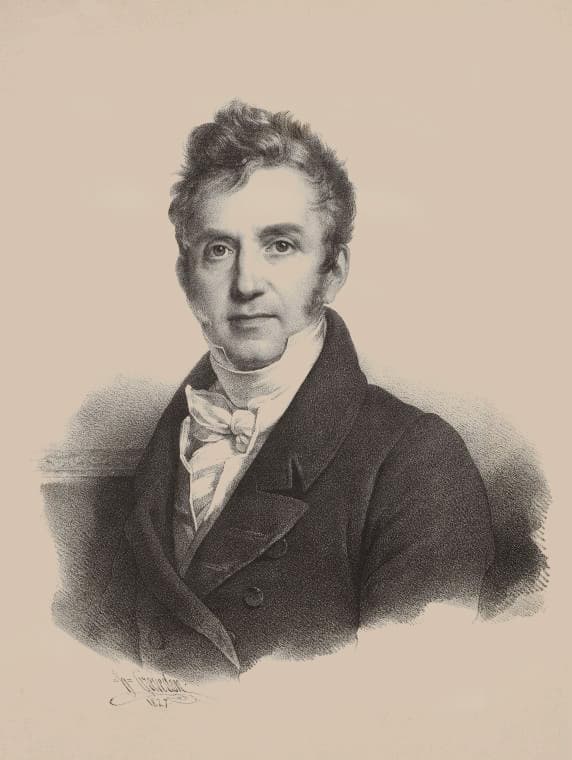
“He moved those without understanding to mindless admiration” The three great representatives of the classical French violin school, Rodolphe Kreutzer (1766-1831), Pierre Baillot (1771-1842), and Pierre Rode (1774-1830) essentially established the history of modern violin technique. Rode was probably the
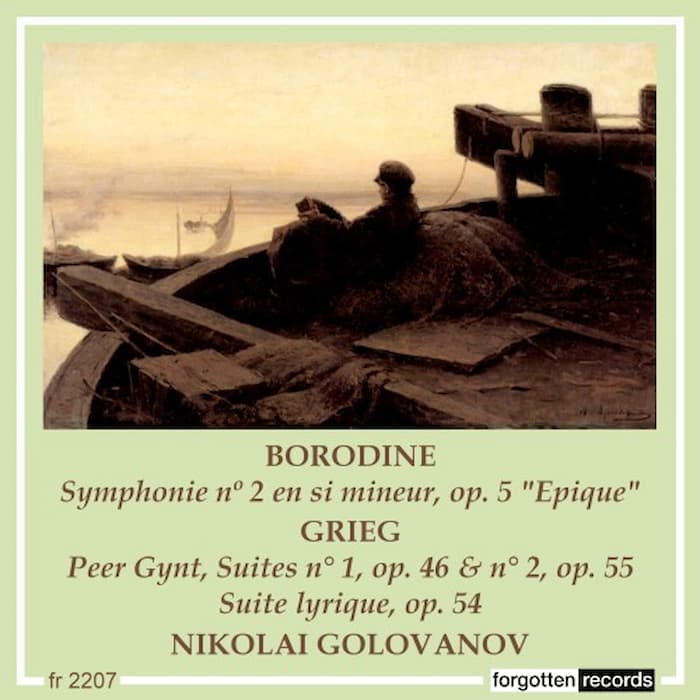
Edvard Grieg (1843 – 1907) invented the idea of Lyric Pieces, but it’s really part of a long list of character pieces for the piano. With the rise of the home piano, there was an immediate market for music for