Discovering Leoš Janáček’s On an Overgrown Path feels like finding a hidden diary in a forgotten attic. Each piece in this collection of fifteen miniatures evokes a vivid memory whispered through the keys of the instrument.
Leoš Janáček: Po zarostlém chodníčku (On the Overgrown Path), Book 1, JW VIII/17 – No. 1. Nase vecery (Our Evenings) (Leif Ove Andsnes, piano)
Notes of Longing
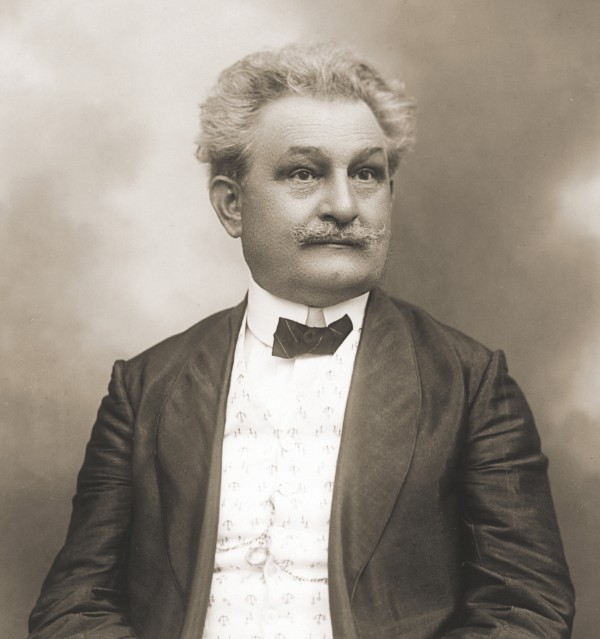
Leoš Janáček in 1914
The melodies are deceptively simple, yet they carry a weight of nostalgia, longing, and bittersweet joy. Every note seems to tell a story, not grand or heroic, but deeply personal. Performing this set demands vulnerability, not virtuosity, as silences and subtle dissonances reveal joys, sorrows, and stubborn hope.
The title of this set comes from a Moravian wedding song, where a bride laments that “the path to my mother’s has become overgrown with clover.” Symbolising loss and nostalgia,
Janáček described the pieces as containing “distant reminiscences” of his childhood and personal tragedies, particularly the death of his daughter Olga from typhoid fever at age 21.
To commemorate Janáček’s passing on 12 August 1928, let us revisit this intimate journey through a deeply emotional landscape.
Leoš Janáček: Po zarostlém chodníčku (On the Overgrown Path), Book 1, JW VIII/17 – No. 2. Listek odvanuty (A Blown Away Leaf) (Leif Ove Andsnes, piano)
Background
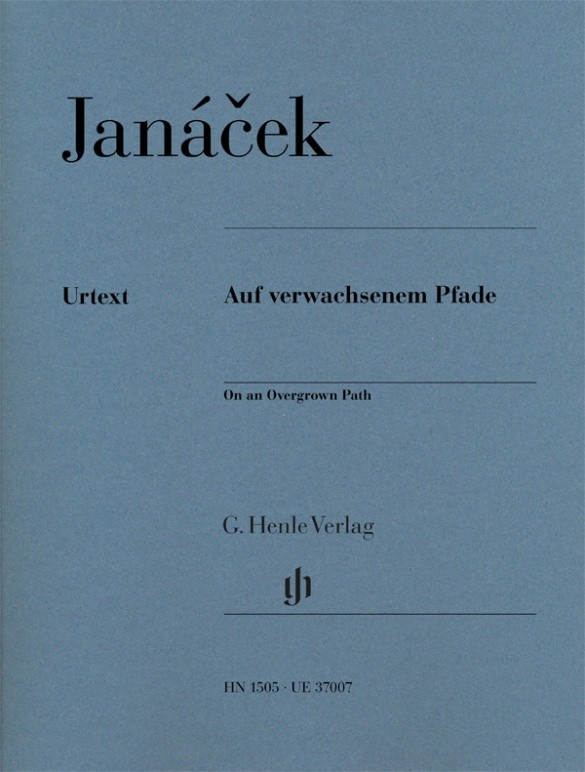
Leoš Janáček’s On the Overgrown Path
The origins of Janáček’s most popular piano cycle are a little bit complicated. The first five pieces were published in 1901 and 1902, in a collection intended for the harmonium and not the piano. By 1908, Janáček wrote another five pieces, this time intended, with the exception of the last two, for piano.
The complete cycle of ten pieces was finally published in Prague under the title “On an Overgrown Path” in 1925. In 1911, meanwhile, Janáček was toying with the idea of creating a second volume, but only three pieces without title were published in that year.
The two remaining pieces, the last one of which was left unfinished at the time, were only published in 1942, after the composer’s death. In the event, the entire microcosm of fifteen pieces is strongly autobiographical, combining Janáček’s personal memories of things past.
Leoš Janáček: Po zarostlém chodníčku (On the Overgrown Path), Book 1, JW VIII/17 – No. 3. Pojd’te s nami! (Come with us!) (Leif Ove Andsnes, piano)
Poetic Titles
Janáček decided to add poetic titles only in 1908, thus imbuing the pieces with vivid imagery. Essentially, he transforms these miniatures into musical vignettes of his life. The music blends Moravian folk idioms with modernist techniques using modal harmonies and fragmented motifs to create a sound world that is both intimate and universally appealing.
“Our Evenings” opens the cycle with a gentle, introspective melody in the minor key, evoking the warmth of childhood evenings by the fireside in Hukvaldy, Janáček’s Moravian hometown. The primary theme is a folk-like tune with modal inflections that unfolds over a delicate accompaniment.
Yet, the contrasting middle section introduces rhythmic agitation and chromatic harmonies, as if a fleeting memory disrupts the calm. The return of the opening theme is now tinged with melancholy, setting a reflective tone for the journey ahead.
Leoš Janáček: Po zarostlém chodníčku (On the Overgrown Path), Book 1, JW VIII/17 – No. 4. Frydecka Panna Maria (The Madonna of Frydek) (Leif Ove Andsnes, piano)
Falling Leaf
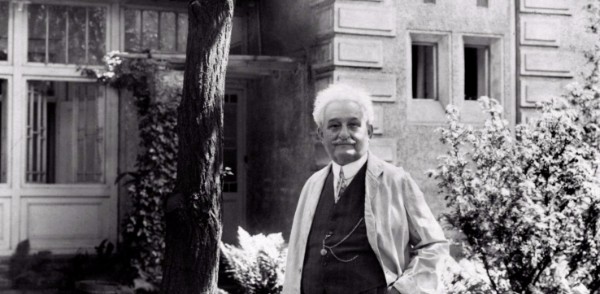
Leoš Janáček
Capturing the interplay of hope and yearning, a recurring motif in Janáček’s work, the restless
“A Blown-Away Leaf” presents a waltz-like melody imbued with a sense of youthful longing.
Grace notes ornament the theme, lending it a delicate and almost whimsical quality, while whole-tone and modal harmonies add a dreamlike haze. The central section becomes more introspective, as if the speaker pauses to reflect on things past.
It’s like a metaphor for fleeting love or memories, and it does draw inspiration from Moravian dance rhythms.
Leoš Janáček: Po zarostlém chodníčku (On the Overgrown Path), Book 1, JW VIII/17 – No. 5. Stebetaly jak lastovicky (They Chattered like Swallows) (Leif Ove Andsnes, piano)
Come with Us
“Come with Us” burst forth with a playful and syncopated rhythm, the bright diatonic melody evoking the exuberance of childhood games. A brief lyrical interlude provides contrast, but the piece’s infectious energy quickly resumes, inviting the listener to join in the merriment.
The composer’s programmatic intent seems clear, as it invites a memory of youthful joy, unburdened by the weight of adulthood. “The Madonna of Frýdek,” meanwhile introduces a solemn and processional quality, a chorale-like melody supported by resonant chords. The shrine of the Virgin Mary in Frýdek is actually located near Janáček’s home.
A pastoral middle section, with a brighter tune suggests a shepherd’s pipe and offers a moment of rustic warmth before the solemn theme returns. It all reflects Janáček’s deep connection to Moravian spirituality, the music grounded in cultural tradition.
Leoš Janáček: Po zarostlém chodníčku (On the Overgrown Path), Book 1, JW VIII/17 – No. 6. Nelze domluvit! (Words fail!) (Leif Ove Andsnes, piano)
Words Fail
Capturing the restless energy of a fluttering bird, “They Chattered Like Swallows” features rapid and syncopated motifs and fragmented melodies. A lyrical middle section provides a fleeting moment of calm, but the chattering texture soon resumes.
This piece seems to have been added in 1911, and it showcases Janáček’s fascination with speech rhythms and environmental sounds, a defining hallmark of his compositional style. “Words Fail!” marks a dramatic shift in tone, conveying intense emotional turmoil.
Repeated notes and chromatic harmonies create a halting, almost speech-like quality, like a speaker struggling to articulate profound sorrow. Likely inspired by the death of his daughter Olga, this piece encapsulates the cycle’s darkest emotions, its title reflecting the inadequacy of words in the face of grief.
Leoš Janáček: Po zarostlém chodníčku (On the Overgrown Path), Book 1, JW VIII/17 – No. 7. Dobrou noc! (Good Night!) (Leif Ove Andsnes, piano)
Unutterable Anguish
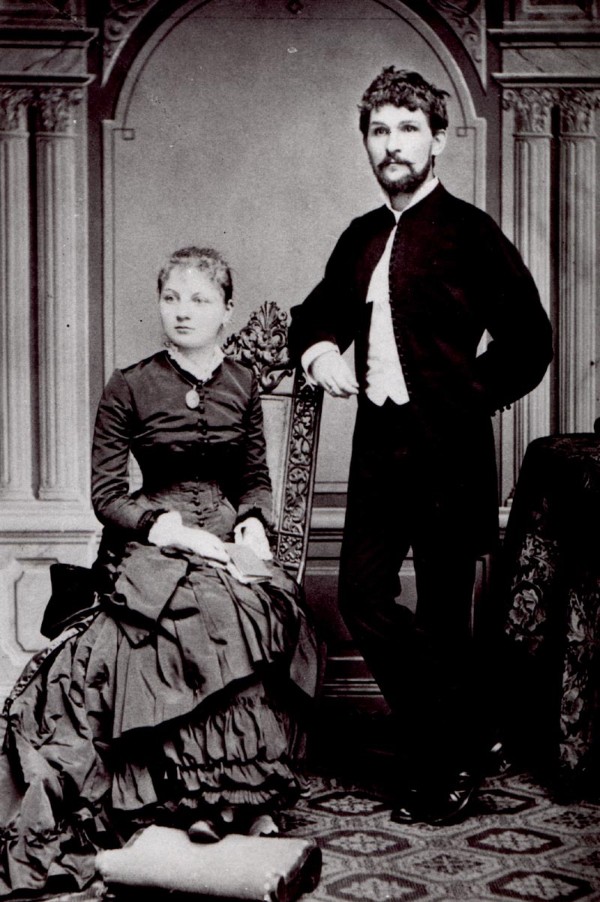
Leoš Janáček and his wife
A folk-like melody unfolding over soft arpeggiated chords invokes a nocturne-like atmosphere in “Good Night!” It sounds like a romantic farewell, a love dialogue under the stars.
A slightly animated middle section introduces rhythmic variation, but the calm theme returns, radiant with intimacy. “Unutterable Anguish” plunges us back into despair, with the minor tonality and obsessive repetitive motifs creating a sense of entrapment.
The music’s relentless rhythmic pulse and dark chromatic harmonies convey overwhelming grief. The melody circles around a few notes, unable to break free, until a slow, Adagio coda offers a sombre resolution.
Leoš Janáček: Po zarostlém chodníčku (On the Overgrown Path), Book 1, JW VIII/17 – No. 8. Tak neskonale uzko (Unutterable Anguish) (Leif Ove Andsnes, piano)
In Tears
The plaintive melody accompanied by tremolo-like figures in “In Tears” continues the cycle’s exploration of grief. The music alternates between moments of resignation and anguished outbursts, with chromatic inflections heightening the emotional weight.
A brief, hopeful passage in a major key offers fleeting consolation before the sorrowful theme returns. The concluding “The Little Owl has not Flown Away” sounds an eerie and haunting quality. The repetitive motif, combined with dissonant harmonies, evokes the persistent cry of a barn owl, a symbol of death in Moravian folklore.
A lyrical middle section offers a moment of tenderness, but the ominous ostinato returns, unresolved. It is a chilling reflection on mortality, and its unresolved tension leaves the listener unsettled.
Leoš Janáček: Po zarostlém chodníčku (On the Overgrown Path), Book 1, JW VIII/17 – No. 9. V placi (In Tears) (Leif Ove Andsnes, piano)
Book II
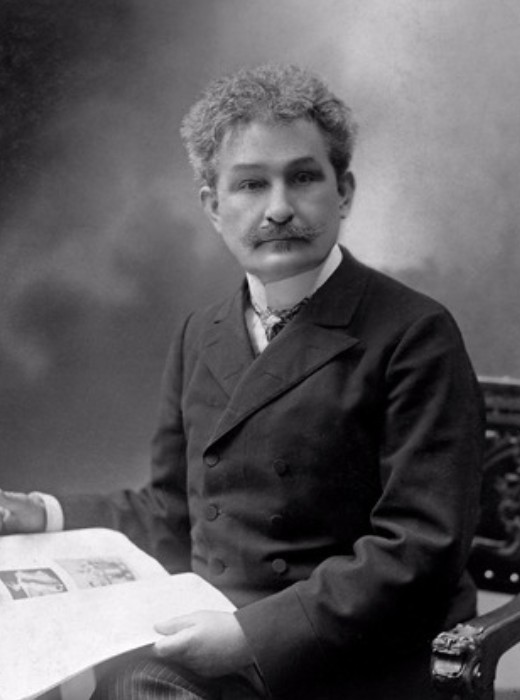
Leoš Janáček in 1904
The five miniature posthumously published in 1942 reflect a shift toward a more chromatic and harmonically adventurous style. They contain hints of the modernist directions Janáček would explore in his opera.
However, they continue to draw on the imagery of an “overgrown path,” symbolising life’s tangled memories, but their mood is often more elusive and fragmented, as if the path has grown wilder and less defined.
The music itself remains rooted in Janáček’s fascination with speech melodies and folk rhythms, with short, aphoristic motifs that shift between tender lyricism and restless intensity.
Leoš Janáček: Po zarostlém chodníčku (On the Overgrown Path), Book 1, JW VIII/17 – No. 10. Sycek neodletel! (The Barn Owl has not Flown Away!) (Leif Ove Andsnes, piano)
Bittersweet Reflections
The “Andante” opens with a lyrical, almost improvisatory melody. Its flowing texture and modal harmonies evoke a bittersweet memory. The structure is less formal, with sudden harmonic shifts and fragmented motifs suggesting a stream-of-consciousness reflection.
Possibly a recollection of a serene moment, its understated beauty contrasts with the cycle’s earlier intensity. The “Allegretto” becomes more agitated, its restless rhythm and angular melody conveying a sense of unease.
The music alternates between rapid, staccato passages and brief, lyrical interludes, creating a fragmented, almost narrative-like structure. The programmatic content is less explicit, but the piece’s anxious tone suggests unresolved emotions.
Leoš Janáček: Po zarostlém chodníčku (On the Overgrown Path), Book 2, JW VIII/17 – No. 11. Andante (Lars Vogt, piano)
Fleeting Joy and Urgent Grief
The energetic dance-like rhythm in the “Vivo” in D Major recalls the folk-inspired melody and exuberance of “Come with Us!” The syncopated rhythms and diatonic harmonies evoke a moment of joy, but their abrupt ending hints at transience.
This piece feels like a fleeting memory of happier times, its vitality tempered by the cycle’s overarching melancholy. “Più mosso” is a brief and intense fragment in the minor key with rapid repetitive motifs and dissonant harmonies, creating a sense of urgency.
It feels like an unfinished thought, possibly an outpouring of grief and frustration, and some experts suggest that its unpolished quality reflects Janáček’s experimental approach in the second series.
Leoš Janáček: Po zarostlém chodníčku (On the Overgrown Path), Book 2, JW VIII/17 – No. 12. Allegretto (Lars Vogt, piano)
Unresolved Turmoil
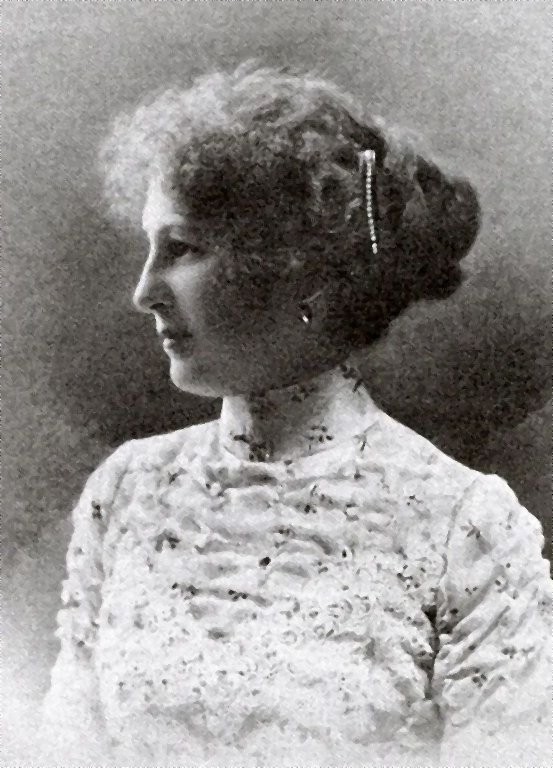
Olga Janáčková, Janáček’s daughter
The cycle concludes with a turbulent “Allegro” and with an almost chaotic energy. The jagged rhythms and chromatic harmonies certainly suggest emotional turmoil. The abrupt ending leaves the cycle unresolved, hinting at a journey without a clear destination.
Book 2 is less frequently performed than Book 1, but its compact, expressive pieces offer a fascinating glimpse into Janáček’s evolving style, bridging his early folk-inspired works with the modernist edge of his later years.
Leoš Janáček: Po zarostlém chodníčku (On the Overgrown Path), Book 2, JW VIII/17 – No. 13. Più mosso (Lars Vogt, piano)
Whispered Memories
Leoš Janáček’s On an Overgrown Path is a deeply personal piano cycle that invites listeners into a world of Moravian folk melodies and poignant memories, weaving a tapestry of joy, nostalgia, and profound loss.
Each piece, short yet vivid, feels like a snapshot from a fading photograph album. Janáček’s use of speech-like melodies and Moravian folk rhythms creates a sound that is both intimate and universal, “as if he’s whispering memories directly to the listener.”
Leoš Janáček: Po zarostlém chodníčku (On the Overgrown Path), Book 2, JW VIII/17 – No. 14. Allegro (Lars Vogt, piano)
Echoes of Grief
The cycle is a haunting reflection of the human experience, with the music effortlessly shifting from playful to tragic while capturing the fleeting nature of memory itself. While Book 1 plunges us into raw grief, likely tied to Olga’s death, Book 2 deepens the emotional complexity while hinting at Janáček’s modernist evolution.
As a scholar writes, “this cycle, though compact, stands as a testament to Janáček’s ability to distil profound emotion into miniature forms, inviting listeners to wander an overgrown path of their own.”
For more of the best in classical music, sign up for our E-Newsletter
Leoš Janáček: Po zarostlém chodníčku (On the Overgrown Path), Book 2, JW VIII/17 – No. 15. Vivo (Lars Vogt, piano)