In Brazil’s contemporary classical music scene, Sonoras continues to redefine what a composer collective can be. Formed in 2023 under the artistic direction of João Marcondes, the group brings together emerging women composers whose latest release, Opus 4, presents eleven original works shaped by collaboration, individuality, and a shared artistic vision.
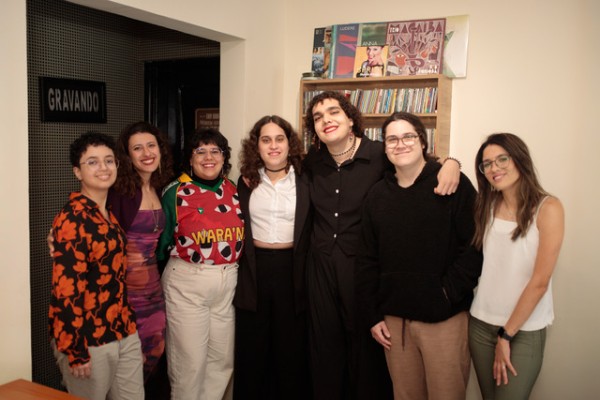
The Sonoras ensemble
The album offers what can best be described as a rich and exploratory sound world. Moving “from lyricism to contemporary pulse,” the works blend “the rigour of written music with creative freedom,” inviting listeners into a dynamic and evolving landscape of contemporary Brazilian music. Scored for vibraphone, double bass, cello, oboe, and clarinet, Opus 4 highlights a distinctive chamber combination that opens new sonic possibilities.
The performers include musicians from the São Paulo State Symphony Orchestra, with Ney Vasconcelos on double bass, Marialbi Trisolio on cello, Ricardo Barbosa on oboe, and Ovanir Buosi on clarinet, joined by vibraphonist Renato Raul from the Theatro Municipal de São Paulo. Their interpretations bring depth and clarity to the works, shaping the final sound in collaboration with the composers.
The origins of Sonoras are rooted in both artistic vision and necessity. As Natália Roschel explains, “the initiative began with our mentor and artistic director, João Marcondes, who sought to create opportunities for composition students to record and release their original music.” She points to the structural challenges faced by emerging composers, noting the difficulty of assembling performers and producing recordings early in a career. In response, Marcondes created composer collectives that allowed participants to “collaboratively explore different instrumentations through original compositions.”
Within this framework, Sonoras emerged as an all-female group, a formation that carries particular significance. Roschel highlights “the limited visibility of women composers in Brazil today” and describes the collective as a space of both representation and creativity. “Each member brings her own individuality and creative voice, and together we create a rich tapestry of cultural and melodic diversity.” She adds that each album reflects “personal moments in the lives of its members, expressed through music,” making the process deeply personal as well as collaborative.
The group’s creative process reflects this balance between structure and independence. Angie Lopez explains that each project begins with a shared decision. “We usually begin every cycle by defining the instrumentation, with our coordinator, João Marcondes, giving us a pool of options to choose from.” After selecting the ensemble through a majority vote, each composer develops her work individually. “There are works entailing our cultural backgrounds, our personal lives, our relationships, and even just our musical interests at the time.”
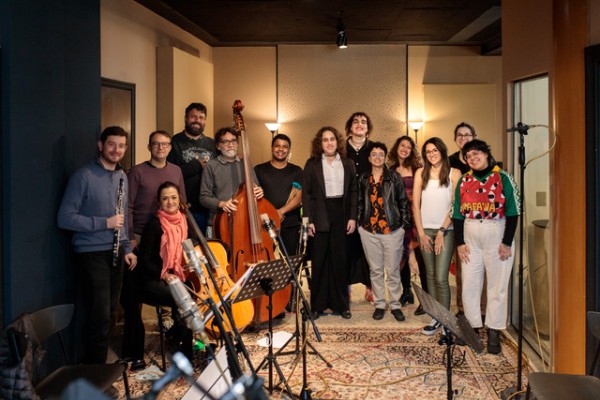
The Sonoras ensemble
Despite this diversity, a sense of unity emerges in the final recording. Lopez notes that “even where our creative processes and interests differ, the final product has a strange and beautiful sort of cohesion.” She attributes this to “our shared female sensibilities and dedication to the craft,” which shape the collective’s artistic identity around “sensitivity and emotional honesty.”
For Shaya Lambert, this cohesion is rooted in the collaborative environment itself. “It’s beautiful because we get to experience our own personal process but also have the safe space of a nonjudgmental group.” Weekly sessions allow composers to exchange ideas and feedback, creating a space where individual creativity and collective growth coexist.
Opus 4 marks an important step in this evolution. Lambert points to the unique instrumentation as a defining feature. “The introduction of the vibraphone was a new component, a rhythmic and melodic instrument we had never worked with before.” She describes how the sound interacts with the ensemble, creating textures that are both “delicate but powerful.” This combination contributes to the album’s lyrical character while expanding its sonic range. “Our personalities and sensibilities are being more easily captured in each composition as the cycles advance.”
The recording process itself plays a crucial role in shaping these works. Lopez reflects on the difference between digital composition and live performance. “The finished recording always differs a bit from the sound simulated via software, but this difference is human and essential.” She recalls moments when performers suggested adjustments that transformed the music, including a tempo change that shifted a piece’s expressive character.
For individual composers, Opus 4 also becomes a space for cultural expression. Jade Luiza describes her connection to her home region in northern Brazil. “It’s especially rewarding for me to have the opportunity to express my culture through these works.” Her contribution to the album draws on the legend of the Muiraquitã, a story tied to her family history. “It’s always really rewarding being able to share this culture with everyone.”
Throughout the process, the role of João Marcondes remains central. Giovanna Conde emphasises that “his collaboration and artistic direction are fundamental in every step of the group’s releases.” His mentorship goes beyond technical instruction. “We learn, discover new styles as composers, and clear our paths to reach the desired goal with him.” His continuous presence from composition to post-production has helped shape the identity of Opus 4.
At the same time, Marcondes underscores the individuality of each contribution. “Each composer’s work unfolds in a way that distinctly reflects her individual identity,” he notes, adding that “all the pieces are equally important.” Together, the works form a collective statement that reflects both diversity and unity.
For the members of Sonoras, this unity carries a broader meaning. Giovanna Conde describes the album as “the artistic union of each composer,” where diversity becomes a defining strength. At its core, the project is about visibility and recognition. “It carries something in common and with immense meaning, that is, the visibility and confirmation of the existence and importance of women in music.”
The collective continues to expand its artistic scope. New projects include works for woodwind trio and solo piano, each building on the collaborative model that defines Sonoras. As Conde notes, these future releases will be created “with great pride,” reflecting both their artistic growth and their shared commitment to making their voices heard.
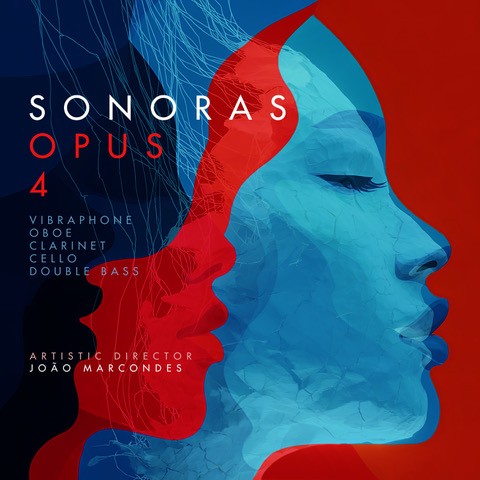
With Opus 4, Sonoras offers a compelling portrait of a new generation of composers in Brazil. Through collaboration, mentorship, and a strong sense of identity, the collective reveals not only the richness of contemporary musical language but also the importance of the voices shaping it today.
To learn more about Sonoras and their album, visit https://www.azulmusic.com.br/en/portfolio-item/opus-4-for-vibraphone-double-bass-cello-oboe-and-clarinet/
For more of the best in classical music, sign up for our E-Newsletter