Slow, gentle, and mysteriously timeless, the music of Pēteris Vasks seems to exist outside the ordinary flow of time. It is like an echo from distant landscapes and deep inner silence. A central figure in contemporary music, Vasks fuses the spiritual depth of Latvian tradition with the expressive worlds of Western Europe.
Recorded in November 2025 at the Latvija Concert Hall in Ventspils with the State Choir Latvija, organ, violin and cello, “The Fruit of Silence” brings together sacred and secular works that chart his artistic journey from his early years to the present.
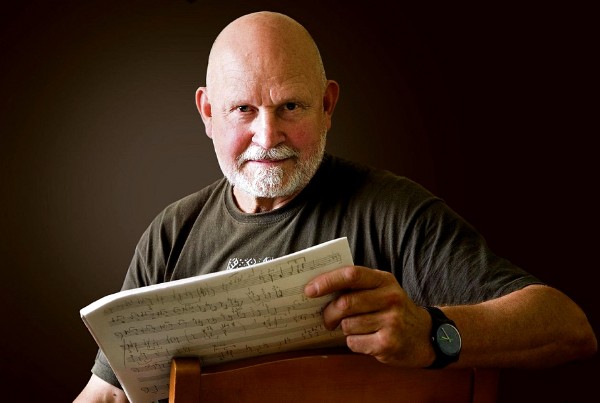
Pēteris Vasks
This carefully chosen collection explores the fragile beauty of life, the complex interplay between humans and nature, and the moral and ecological urgencies of our time.
Pēteris Vasks: “The Fruit of Silence”
Available until 16/06/2026
Silence as Sanctuary
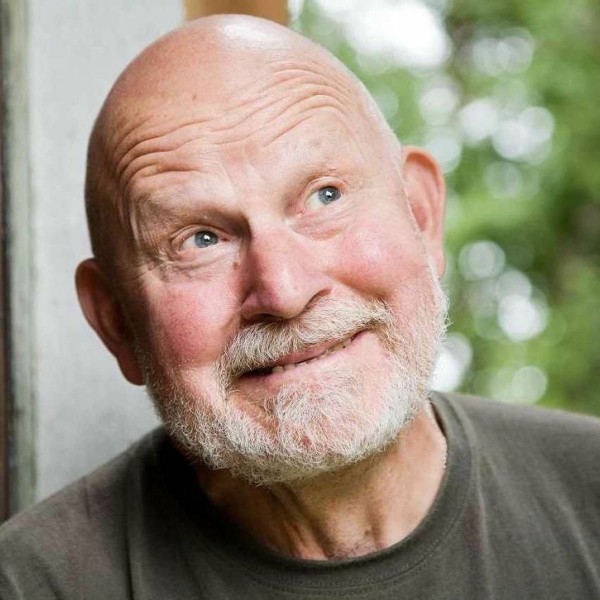
Pēteris Vasks
Pēteris Vasks was born in 1946 in Aizpute, Latvia, into a world where music, faith, and free expression were tightly constrained. The son of a Baptist pastor, he grew up learning early that silence could be both protection and protest.
Trained as a double bassist before turning to composition, Vasks came of age under Soviet rule, where artistic choices were never neutral. Rather than embracing official optimism or abstract detachment, he wrote music that spoke quietly but insistently.
He began to craft music shaped by grief, spiritual longing, and an acute awareness of human fragility. Nature became his refuge and his language, with birdsong, open landscapes and elemental gestures featuring as symbols of freedom and moral order.
Nature, Memory, and Human Dignity
After Latvia regained independence, Vasks’ music reached international audiences, yet it never lost its inwardness. Sacred and secular works alike are guided by the same impulse to defend human dignity in a broken world.
Whether writing for solo instrument, choir, or orchestra, Vasks treats music as testimony of suffering endured, and of hope stubbornly preserved.
Pēteris Vasks draws on archaic and folkloric elements of Latvian music, setting them in living dialogue with contemporary musical language. His works often carry evocative, nature-based titles, yet they are never mere soundscapes or lyrical tributes to the natural world.
Nature, for Vasks, is a moral space. His music explores the fragile beauty of life alongside the growing ecological and ethical threats facing humanity. These concerns are inseparable from history and from personal memory.
Music as Nourishment
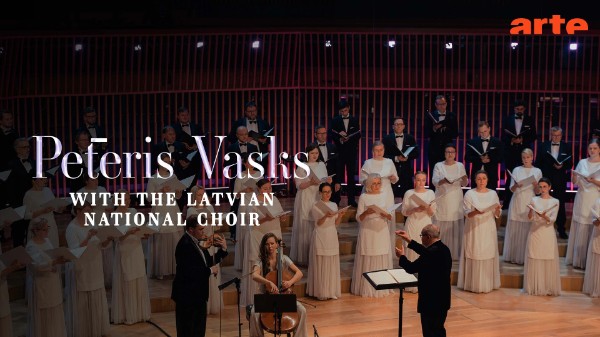
In the ARTE programme Pēteris Vasks: The Fruit of Silence, the selection of works gives shape to the very idea Vasks expressed when he said: “Most people today no longer possess beliefs, love and ideals. The spiritual dimension has been lost. My intention is to provide food for the soul and this is what I preach in my works. “(Pēteris Vasks)
This beautifully produced and executed concert spans the composer’s career and brings together sacred and more intimately meditative music that reflects faith, contemplation and the human connection.
It opens with “Laudate Dominum” for choir and organ, a work rooted in prayerful praise that foregrounds the spiritual dimension at the heart of Vasks’ output. Choral pieces like “Māte Saule” (Mother Sun) and “Zīles ziņa” (Message of a Chickadee), often inspired by nature’s life-affirming imagery, balance earthly beauty with a deeper symbolic resonance that speaks to the elements of the inner life Vasks wants music to nourish.
Inner Landscapes
Instrumental interludes such as “Castillo Interior” for violin and cello and “Līdzenuma ainavas” (Plainscapes) for choir, violin and cello extend this inward focus, creating sound worlds that evoke reflection rather than spectacle.
The title work, “Klusuma auglis” (The Fruit of Silence), based on a prayer by Mother Teresa, embodies the essence of Vasks’ artistic mission as it links silence, prayer, faith, love, and peace in a quietly unfolding musical meditation.
The programme closes with “Dona nobis pacem” (Grant us peace), bringing the spiritual arc full circle. From praise and contemplation to a profound plea for peace, this programme fully underscores Vasks’ belief in music as nourishment of the soul.
Quiet Faith
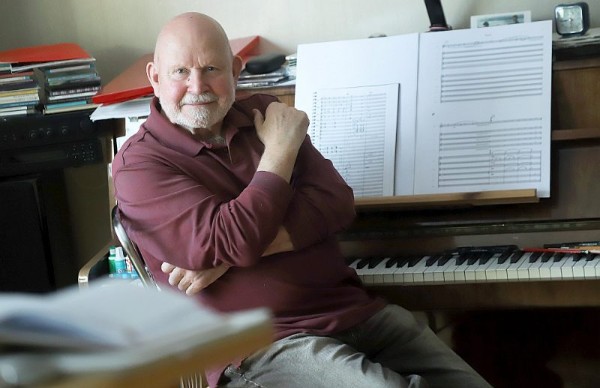
Pēteris Vasks
In a world increasingly defined by noise and fracture, the music of Pēteris Vasks offers something rare and necessary. It gives us the courage to slow down and to believe again in the possibility of meaning.
As the final plea fades away, what remains is not an answer. Rather, it’s an offering where music becomes a space of moral attention and a shelter for the spirit. It gently insists that belief, love, and ideals can still be restored.
In the echo of these still landscapes, Vasks leaves us something enduring. Everything resonates with a quiet faith in humanity, and the hope that listening itself may become an act of peace.
For more of the best in classical music, sign up for our E-Newsletter