
When you enter a gallery adorned with Francisco González Gamarra’s monumental canvases, time seems to stand still. Paintings such as “The Foundation of Lima” or “The Spanish Foundation of Cusco” do not merely depict history; they revive it by evoking the clatter of armour, the hum of the crowd, and the weight of cultural transformation. Furthermore, this Cusco-born polymath was equally captivated by sound: a composer and pianist who integrated Andean traditions into Western classical frameworks, producing music that resonates with both the past and the future.
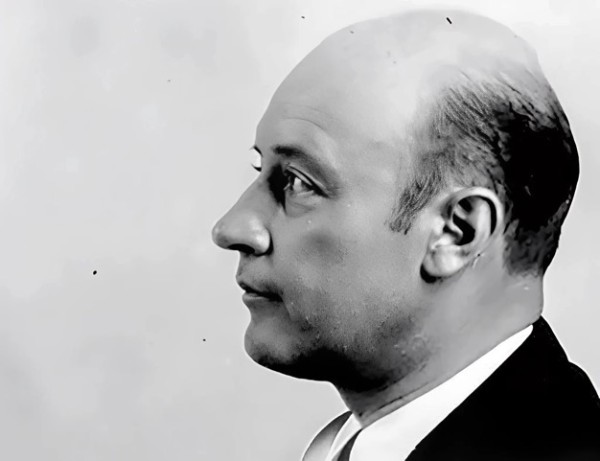
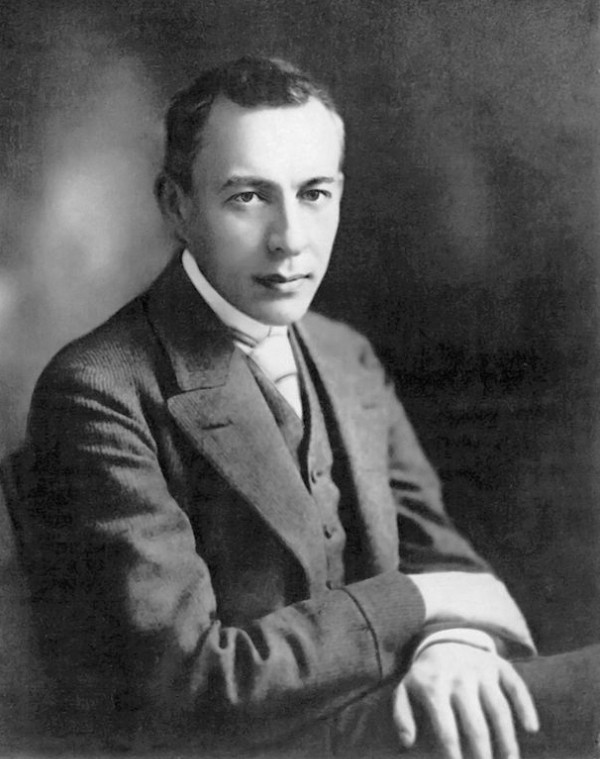
Francisco González Gamarra
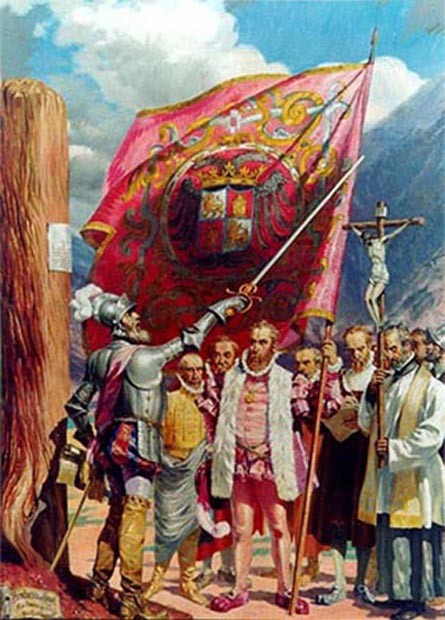
“Fundación de Lima”. Source: Artelista
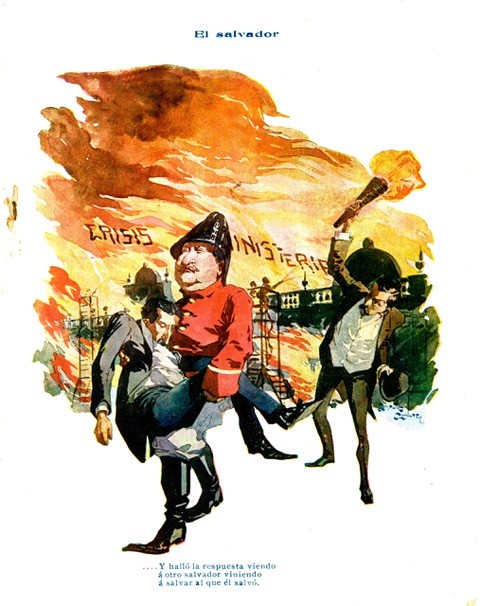
Caricatura de Francisco González Gamarra, published in Variedades (1910). Source: Bienal de Arte de Cusco.
Born in Cusco in 1890, Gamarra quickly established himself as a caricaturist for Variedades in Lima, where his sharp weekly sketches captured the spirit of Peru at the turn of the century. At the National University of San Marcos, his 1915 thesis included hundreds of watercolors featuring pre-Columbian motifs. Sadly, the thesis is now lost, but it remains a testament to his early dedication to cultural memory.
During the 1920s and 1930s, Gamarra spent time living and exhibiting in New York, Washington, and Paris, where he soaked up global trends while staying true to his Peruvian roots. He was awarded the Order of the Sun of Peru in 1928 and went on to receive a gold medal at the 1937 Paris International Exhibition. This international recognition made him not only a respected Peruvian painter but also a cultural ambassador for his country.
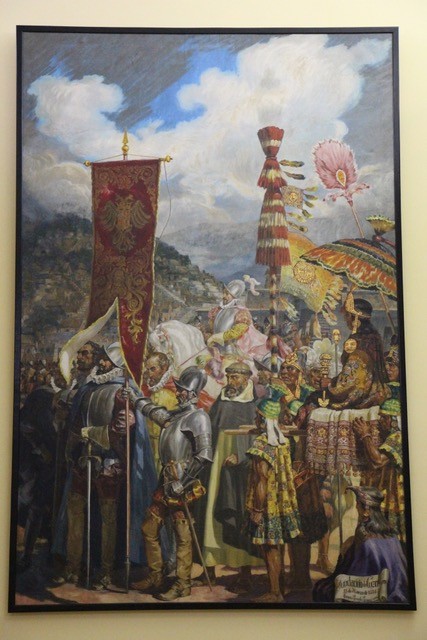
“Fundación Española del Cuzco“. Source: Artelista
Back in Peru, Gamarra turned his attention to grand narrative paintings. Works like The Installation of the Constituent Congress of 1822, The Inca Garcilaso de la Vega, and Pedro Ugarteche Tizón combine historical precision and cinematic drama. Several of these masterpieces were recently restored and are now on display at Lima’s Municipal Palace, reinforcing their role in national memory.
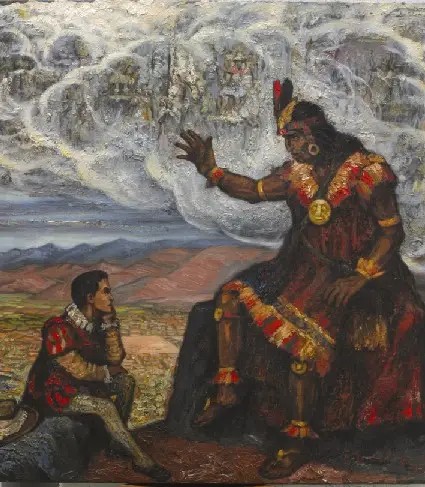
“Garcilaso Inca de la Vega, adolescente.” Source: Artelista
Although his paintings immortalized pivotal moments in history, his music preserved the vibrant heartbeat of Andean culture. Alongside contemporaries such as Roberto Ojeda and Luis Duncker Lavalle, Gamarra was recognized as one of the “four greats” of Cusco’s classical music scene. What distinguished him was his dedication to merging indigenous melodies, rhythms, and languages into classical compositions, years before the concept of “cultural fusion” gained popularity.
His choral piece, Qosqo Napaykuykin, is a standout example. This work features the piano, a mixed chorus, and a soloist, with the choir reciting the text in the qhaswa, a traditional Quechuan poetic form, in an engaging and innovative way.
Francisco González Gamarra: Qosqo Napaykuykin
Francisco González Gamarra’s Yaraví Qhaswa is another notable work that draws from the rich Andean traditions. By combining the festive, communal qhaswa with the lyrical, often melancholic harawi genre, Gamarra creates a unique piece. The composition follows a simple A-B-A structure, starting with the qhaswa, moving into a harawi-inspired section, and returning to the opening material. This approach, common in the Cusco school, highlights Gamarra’s ability to blend indigenous motifs with classical techniques, creating a dialogue between lively rhythms and expressive melodies.
Francisco González Gamarra: Yaravi y Qhaswa
Although Gamarra is best known for his choral works honouring Cusco, he also turned to the piano, a medium that allowed him to explore more intimate textures. His piano compositions, though less widely known, reveal how he skillfully translated Andean musical styles into a solo-instrument voice. Works such as Valses and Danzas reflect his fascination with urban Peruvian music, particularly the vals criollo that flourished in early 20th-century Lima.
His piano suite Paisajes Musicales (Musical Landscapes) further demonstrates this synthesis, with several pieces evoking the sounds and landscapes of the Andes. The opening piece, Noche de luna en el Cusco (Moonlit Night in Cusco), captures the serene beauty of an Andean evening, while the suite as a whole is notable for its lyrical melodies and rhythmic patterns inspired by indigenous musical forms.
Francisco González Gamarra: Paisajes musicales
Gamarra also composed standalone works such as Mazurka No. 1 and Mazurka No. 2, which showcase his versatility and his commitment to integrating Peruvian elements into classical piano music. Collectively, these compositions highlight his ability to bring the spirit of the Andes to the keyboard, offering both performers and listeners a uniquely Peruvian pianistic experience
Francisco González Gamarra: Mazurka No. 2
Gamarra was both a creator and a thinker, shaping a clear philosophy for Peruvian art. His Theory of Peruvian Art, a ten-point manifesto, called for works that were intuitive, rooted in tradition, and emotionally universal. He rejected imitation of foreign trends and extreme nationalism, advocating for authenticity and art made with love for Peru.
He believed that Peruvian art, whether in the form of painting, music, or illustration, should honour the country’s heritage while reaching audiences everywhere.
Decades after his death in 1972, his work endures. The University of Piura holds over 900 pieces, and his paintings and music remain part of public life. Gamarra’s vision continues to inspire, showing that tradition and innovation can shape a nation’s soul.
For more of the best in classical music, sign up for our E-Newsletter





Being born and raised Peruvian this blog came as an impressive event and surprising discovery. Kudos