Icelandic composer Jóhann Jóhannsson (1969–2018) is best known for his film music, such as that for James Marsh’s Stephen Hawking biography The Theory of Everything (2014), which earned him a Golden Globe Award for Best Original Score. His music for other movies, such as Denis Villeneuve’s Prisoners (2013) and Arrival (2016), won him ASCAP Awards. Other nominations and awards across the film spectrum speak to his evocative music.
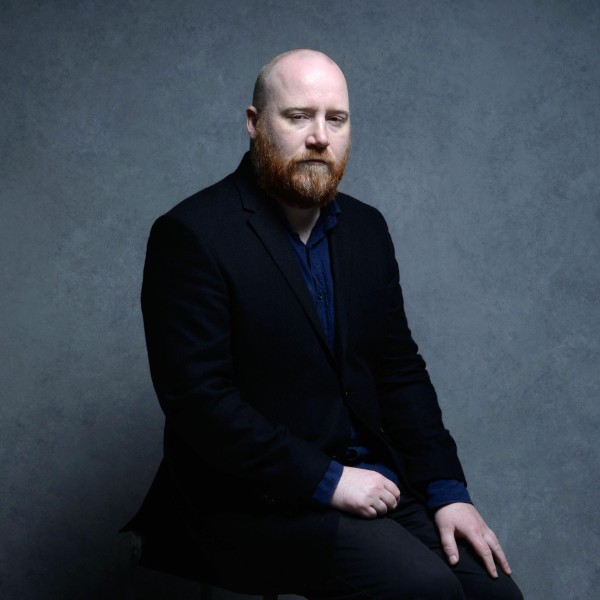
Jóhann Jóhannsson
German-Japanese pianist Alice Sara Ott has just released a recording of Jóhannsson’s music arranged for piano. This was issued in a limited edition by Faber Music and covers music from the composer’s solo albums and his film music. When she first encountered the Faber album, Ott found Jóhann Jóhannsson’s compositions, reduced to keyboard from their multi-voiced original versions, ‘translated so beautifully’ to the keyboard. She went on to note that ‘Within this more focused and intimate sound world, the music reveals hidden nuances and enhances the purity and clarity that are so intrinsic to his music’.
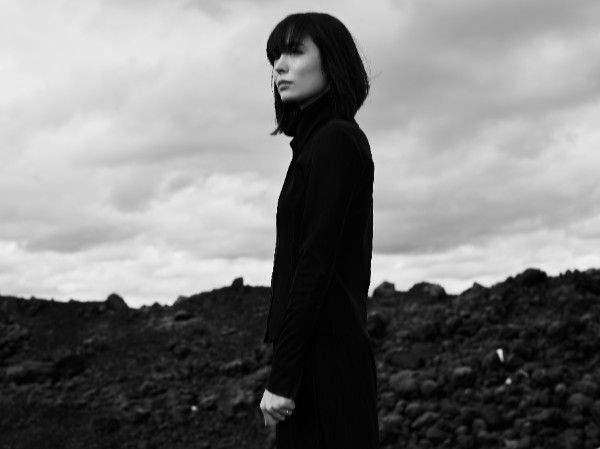
Alice Sara Ott, 2024 (photo by Jónatan Gretarsson)
In working through the music, Ott felt herself to be in a ‘very personal dialogue’ with the deceased composer as she teased out the music’s architecture, its shape, and Jóhannsson’s language.
Rather than recording on a brand-name grand piano, Ott recorded the album on an upright piano that was in the studio of her producer, Grammy-nominated producer and engineer Bergur Þórisson. She sought the sound of nostalgia in the instrument. Jóhannsson’s music is found to be ‘frequently awash with the bittersweet joys of hindsight’ and so this old piano was perfect for evoking that aspect of the music.
In reference to film music, this isn’t a recording full of crashes and booms of the modern taste for explosions; it’s introspective and thoughtful. It’s music that makes you draw scenes in your head as you listen. The opening work on the album, Bað (Bath), sounds like it’s about sitting quietly in warm water as the water laps around you. The ripples gradually die away as they reach the sides of the tub and then return, diminished.
Another piece could be from the current news from the Middle East: The Sun’s Gone Dim and the Sky’s Turned Black from Jóhannsson’s album of the same name from 2006. Whereas he was lamenting an unrequited love, it could describe our reaction to any kind of bad news. Lacking the computerised voice from the original, it becomes less a love lament than a lament for all the bad news in the world today.
Jóhann Jóhannsson: The Sun’s Gone Dim and the Sky’s Turned Black
Ott’s performance is delicate and intense throughout the album. These aren’t just simple melodies with accompaniment, but the other voices comment on the melody, transposing it around the octaves, bringing out individual lines and ideas. It’s an album for playing in a shadowy room and thinking about what you’re hearing. An album for sparking your imagination. An album to listen to over and over in different situations, where you can discover the subtleties that you couldn’t hear before.

Jóhannsson: Piano Music
Alice Sara Ott, piano
Deutsche Grammophon
For more of the best in classical music, sign up for our E-Newsletter