Filmed at the Vivoin Festival in 2025, Camille Poul and the ensemble L’Assemblée, directed by Marie van Rhijn at the harpsichord, take us on a radiant journey into the heart of some forgotten treasures from and around 17th-century Venice.
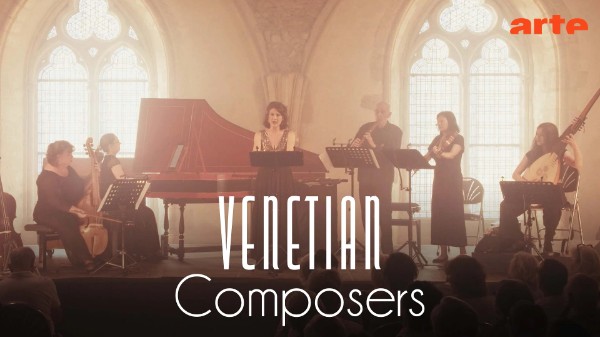
Music at the time of the Republic of Venice was centred at St. Mark’s Basilica and fuelled by four main orphanage music schools. The first public opera house opened in Venice in 1637, and the music from that time reflected the lavish visual and architectural history of the city.
This particular concert highlights the works of overlooked women composers from the 1600s. With a tight focus on historically informed performance practices, the programme also explores the idea of Venice as an exported glittering emblem of Baroque sophistication.
The Venetian Baroque
Available until 08/07/2029
A Stage for Women’s Voices
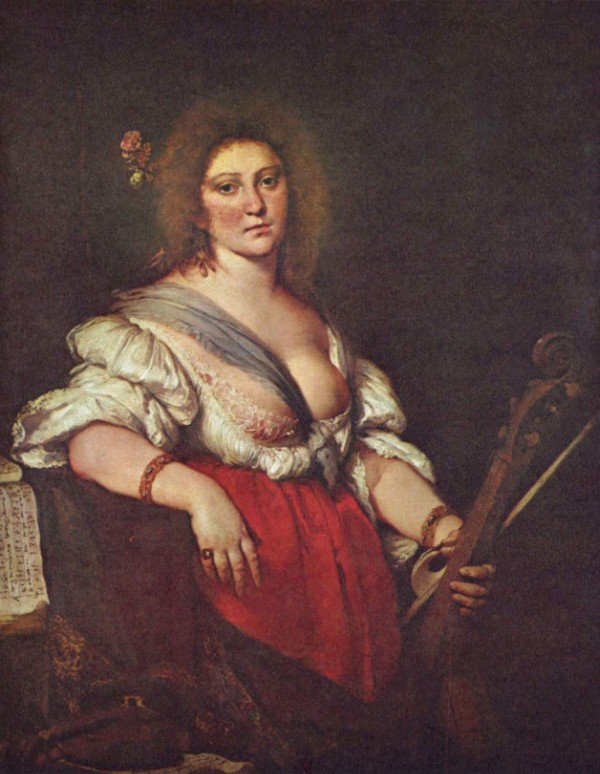
Barbara Strozzi
17th-century Venice was a highly unusual and progressive city-state. For one, it offered women rare public visibility in the music world. The convents, academies and orphanage schools resounded with the voices of female performers and composers.
Venice mustered a force of exceptional female singers, orchestral musicians, and composers who made vital contributions to the city’s culture. As the Republic of Venice was losing its world domination in manufacturing and trade, it turned to entertainment and tourism, with opera and music becoming the latest cultural attractions.
And in this particularly fertile artistic environment, we find composers like Maddalena Casulana, Anna Bon, Lucia Quinciani, Barbara Strozzi, Antonia Bembo, Vittoria Raphaella Aleotti, Maria Margherita Grimani, and Maddalena Sirmen. All participated in the city’s dynamic musical life by composing in fashionable genres with refined sensitivity to musical rhetoric.
Contrasts, Drama, and European Fantasies
The dramatic arc of “The Venetians” concert moves fluidly from the anguish of an abandoned lover and a witty deceiver to mythological heroines and the personification of music. This music thrives on an emotional spectrum of contrasts, powerfully conveying tension and affect.
Seduction is pitted against irony, lament against revenge, and pastoral innocence set against theatrical excess. It moves seamlessly from simplicity to virtuosic display, a juxtaposition heightened by the interplay of voices and instruments. Each musical gem is a dramatic narrative in miniature.
The programme also features composers from France, such as Élisabeth Jacquet de la Guerre, who were captivated by the idea of Venice. The city, after all, had a persona. For the French imagination, Venice suggested pleasure and freedom, while Antonio Vivaldi, very much Venetian, exported that sonic identity across Europe.
The Cast
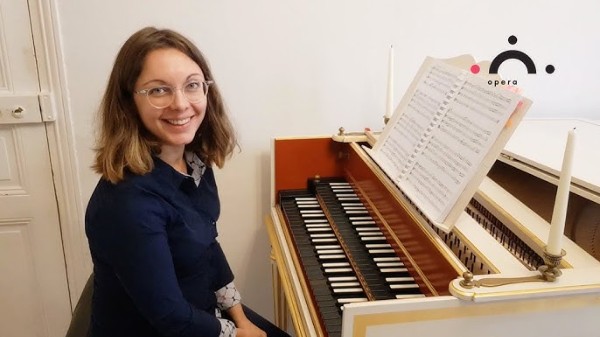
Marie van Rhijn
The programme is anchored by the French harpsichordist Marie van Rhijn. Trained at the Paris Conservatoire and the Royal College of Music in London, van Rhijn is a member of “Trio Dauphine,” a unique ensemble of harpsichord, harp, and violin. She toured with “Les Arts Florissants,” and released her first solo album of harpsichord music by Marin Marais.
Marie van Rhijn leads the ensemble L’Assemblée, a troupe specialising in early music. Founded in 2022 with the support of the Ambronay Cultural Center, L’Assemblée is dedicated to reviving the musical heritage of the 17th and 18th centuries, restoring a prominent place to forgotten composers of merit.
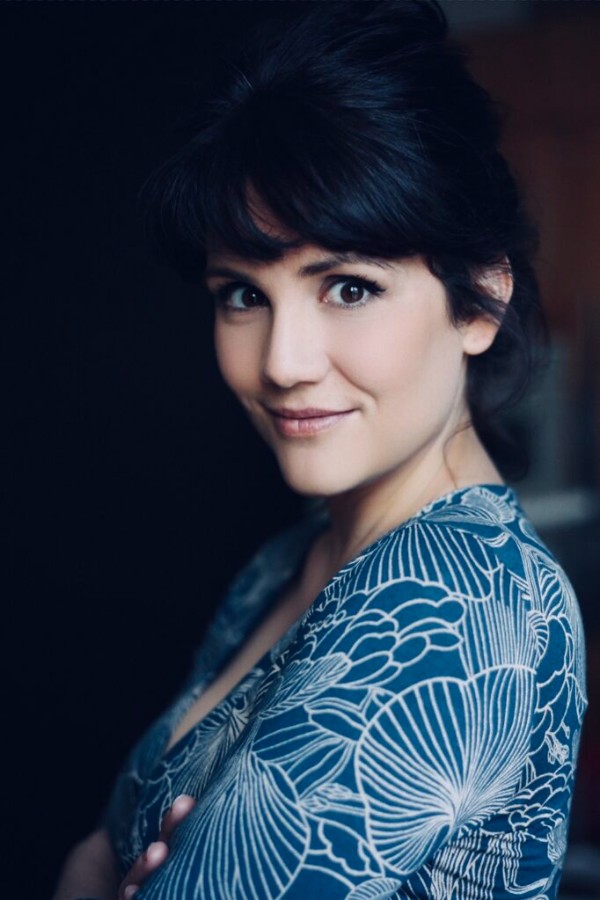
Camille Poul
French soprano Camille Poul has distinguished herself with her vocal qualities, “from velvety low notes of elegant suppleness to mischievous, sparkling high notes,” and a truly dramatic temperament. Curious and versatile, she enthusiastically embraces a wide repertoire ranging from Baroque to contemporary. Poul is the emotional centre of this programme as she embodies different personae in these intensely rhetorical works.
Venetian Voices
This fabulous ARTE.tv production provides a panorama of Venetian vocal styles, revealing the expressive richness and dramatic flair of the city. It also showcases a uniquely Venetian aesthetic that blended theatricality and sensuality as it was exported across Europe.
For more of the best in classical music, sign up for our E-Newsletter