The story of Édith Piaf (1915-1963) is one of those rare and tragic sagas that seem too extraordinary to be true. The tale of a small, frail girl who grew up in the gritty streets of Paris and ascended to global superstardom against all odds has all the hallmarks of a myth, and in many ways, it is.
Piaf’s rise from street performer to international icon was driven not only by her immense musical talent but also by the layers of myth and legend that were quickly woven around her. These two forces became inseparable, leaving behind a legacy that continues to shape the world’s understanding of French culture and the art of the chanson.

Édith Piaf
To celebrate her birthday on 19 December 1915, let’s explore how the “Sparrow” became a symbol of French passion and suffering.
Édith Piaf: “La vie en rose”
A Childhood Forged in Adversity
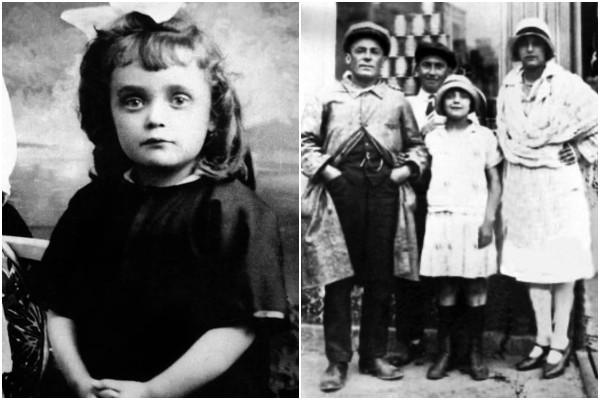
Édith Piaf and her parents
Édith Giovanna Gassion came into the world under difficult circumstances. Her mother, a café singer, abandoned her early, and her father, a circus acrobat, was often absent. By all accounts, her early life was marked by neglect and hardship.
She was first left with her maternal grandmother in poor conditions, and then raised in her paternal grandmother’s brothel in Normandy. She suffered temporary blindness from keratitis, and her recovery is tied to a pilgrimage in legend.
The rough areas of Belleville became her playground. In this environment, Piaf’s early performances were on the street corners of Paris, singing for spare change. At the age of 14, she began working as a street singer in the working-class neighbourhoods of the French capital.
Édith Piaf: “Sous le ciel de Paris”
The Little Sparrow takes Flight
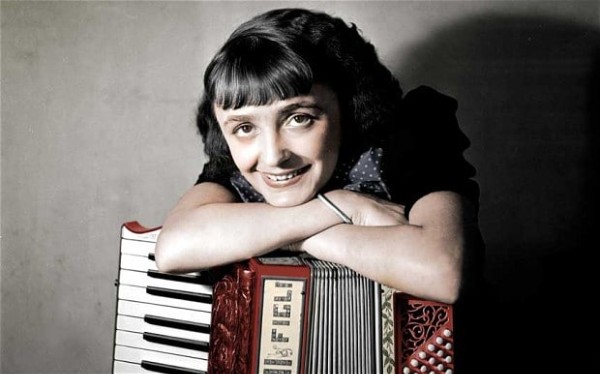
Édith Piaf
Singing under the glow of streetlamps, Piaf’s unique voice began to attract attention. Although her life was raw and unpolished, it was in these moments of public vulnerability that Piaf’s connection with her audience began to solidify.
The turning point in Piaf’s career came in 1935, when she was spotted by the influential Parisian nightclub owner Louis Leplée. Leplée, who saw great potential in Piaf’s voice, helped her transition from street performer to a professional stage artist.
He also gave her the nickname “La Môme Piaf” (The Little Sparrow), referring to her small stature and fragile frame. This nickname, which would stick with her for the rest of her career, perfectly encapsulated her image.
Édith Piaf: “La Foule”
Raw Emotion on the Grand Stage
Leplée helped Piaf secure a gig at the prestigious Le Gerny’s nightclub, where she sang to a much broader and more sophisticated audience. Her performances were raw, emotional, and full of life, reflecting the pain and passion of her tumultuous upbringing.
The Parisian elite, who had initially been sceptical of her unpolished street style, were soon entranced by her authentic performances. In a city where many musicians and performers were more polished, Piaf’s stark vulnerability set her apart.
But it wasn’t just her voice that caught the attention of audiences; it was her stage presence as well. Piaf had a remarkable ability to convey the deepest emotions with the smallest of gestures.
Édith Piaf: “Non, je ne regrette rien”
Minimalist Performance
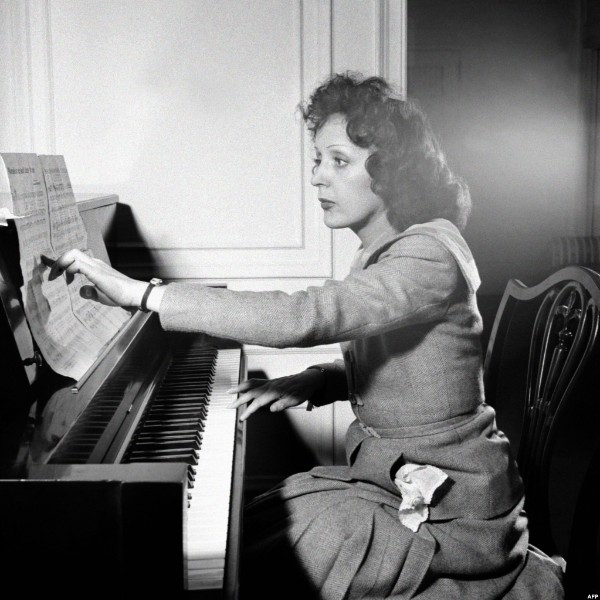
Édith Piaf at the piano
Piaf’s performances were minimalistic, with her voice and the intensity of her delivery at the forefront. Her performances were as much about the soul as they were about the music, and this was a distinction that resonated with audiences across France.
By the late 1930s, Piaf had become a rising star in Paris. She was introduced to influential figures in the French music world, including composers like Charles Dumont and lyricist Michel Emer, who would go on to write many of her greatest songs.
Her 1947 song “La Vie en Rose,” written by composer Louiguy and lyricist Édith Piaf herself, would become her signature piece. Released during the Second World War, this song, with its heartfelt lyrics about love and hope, captured the emotional spirit of the time and would become the anthem of Piaf’s career.
Édith Piaf: “Milord”
International Icon
By the end of the war, Piaf was already an established figure in French popular music, but she was about to embark on a far greater journey. Piaf made her first successful international tour in the late 1940s, and her engagements in the United States were nothing short of revolutionary.
For many, Piaf represented a fresh and raw authenticity that was lacking in the polished Hollywood glamour of the time. Her emotional intensity and evocative delivery made her stand out among American performers, and soon, Piaf became the first French singer to achieve global fame.
Piaf’s rise to international fame was, in many ways, accelerated by the media. The combination of her dramatic personal story, a childhood of hardship, a tumultuous romantic life, and a fierce independence made her a perfect subject for the press.
Édith Piaf: “Les Trois Cloches”
The Legend Beyond Life
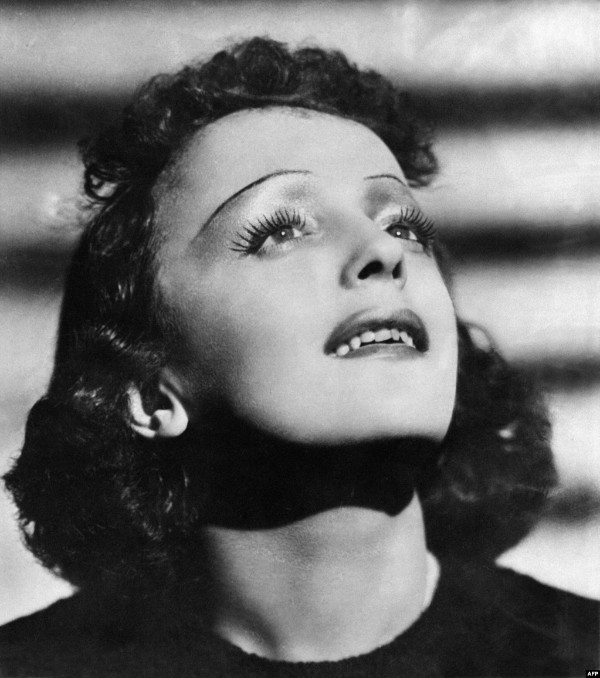
Édith Piaf
While Piaf’s meteoric rise was certainly based on her extraordinary talent, her story was also shaped by the myth-making that surrounded her. Her love affairs, her battles with addiction, and her untimely death at the age of 47 only fuelled the legend.
Piaf’s frailty and vulnerability, both physically and emotionally, were romanticised, making her life seem like a tragic opera.
The myth of Édith Piaf as a woman who rose from the streets, conquered the world, and died too young resonated with audiences and became inseparable from her music. Even after her death in 1963, Édith Piaf remains an enduring figure in global music.
For more of the best in classical music, sign up for our E-Newsletter